
Heat Pump Installation in Porter, TX
Heat pump installation in Porter TX with precise sizing, ductwork review, and compliant electrical work. Learn more about energy savings.
Scroll down to discover more

Heat Pump Installation in Porter, TX
Choosing the right heat pump and getting it installed correctly by Stat Air Care Air Conditioning & Heating is one of the most important decisions for comfort and energy savings in Porter, TX homes. With hot, humid summers and mild winters, a properly sized and installed heat pump provides efficient cooling, reliable heating when needed, and improved humidity control.
Why a heat pump makes sense in Porter, TX
- Heat pumps deliver high-efficiency cooling in Gulf Coast climates and also provide heating during cooler months without the need for a separate furnace.
- Modern variable-speed and inverter-driven heat pumps maintain consistent indoor temperatures and help control humidity — an important factor in the Porter area where humidity is often high.
- Proper installation reduces energy bills and extends equipment life, while poor installation causes short cycling, uneven temperatures, and excess moisture problems that can lead to mold or comfort complaints.
Common heat pump installation issues in Porter, TX
- Undersized or oversized equipment that leads to short cycling, humidity problems, or reduced efficiency.
- Incompatible duct systems: leaky, undersized, or poorly insulated ducts reduce capacity and comfort.
- Incorrect refrigerant charge or improper line-set lengths that impair performance.
- Inadequate airflow due to dirty coils, blocked returns, or poorly designed duct layouts.
- Failure to follow local permit and code requirements, which can complicate future warranty or resale issues.
Professional site evaluation, sizing, and system selection
A reliable installation begins with a thorough on-site evaluation:
- Load calculation (Manual J) to determine the precise heating and cooling capacity your home needs based on square footage, insulation, windows, orientation, and Porter-specific climate factors.
- Duct assessment (Manual D) to check layout, leakage, insulation levels, and whether your ducts can handle the selected heat pump’s airflow.
- Electrical and panel review to confirm the home’s electrical capacity and whether upgrades are required for a modern heat pump.
- System selection guidance that accounts for efficiency ratings (SEER and HSPF), variable-speed compressors, sound levels, and whether a ductless or ducted system is best for your layout.
- Consideration of local conditions: high humidity, frequent hot spells, and potential for severe weather will influence equipment choices and protective measures for the outdoor unit.
Ductwork, line-sets, and installation requirements
- Ductwork: Properly sealed and insulated ducts are essential. Installers will recommend duct repairs, insulation upgrades, or, in some homes, conversion to a mini-split system if ducts are impractical.
- Line-sets: Correct refrigerant line length, insulation, and routing avoid excessive pressure drops and efficiency losses. Pre-charged lines or field charging will be chosen based on the system.
- Mounting and pad requirements: Outdoor units must be secured on appropriately sized pads or wall mounts and located to minimize exposure to debris and flooding risk in low-lying areas.
- Thermostat and controls: Placement and type (programmable or smart) are selected to optimize performance and humidity control.
Step-by-step installation process
A professional, code-compliant installation typically follows these steps:
- Finalize system selection and obtain any required permits.
- Prepare site: install pad, clear area, and verify electrical access.
- Modify or repair ducts as needed; install air handler or indoor unit.
- Run refrigerant line-sets, condensate drains, and electrical wiring.
- Connect outdoor unit, evacuate lines, and charge system to manufacturer specifications.
- Insulate and secure all lines; seal duct joins and registers.
- Install and configure thermostat and controls.
- Perform initial system start-up and calibration tests (see next section).
- Provide documentation for warranties, maintenance expectations, and operating tips.
Start-up testing and system calibration
Start-up testing is where a good installation becomes a great one:
- Airflow verification to ensure supply and return flows meet design targets.
- Refrigerant charge checks using superheat/subcooling or electronic charging methods per manufacturer specs.
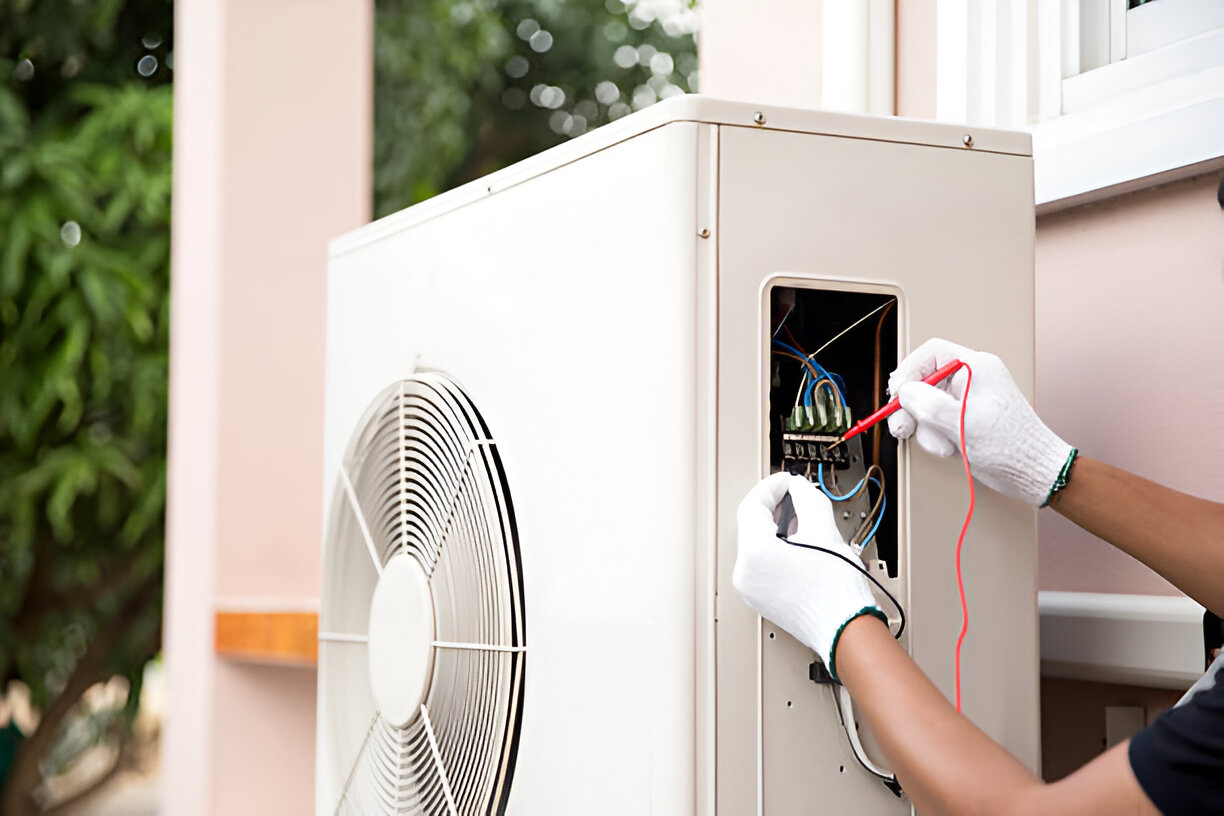
- Electrical testing for proper voltages, amperages, and safe connections.
- Performance verification including temperature split, humidity control, and system cycling behavior.
- Safety checks on condensate drain routing, overflow protections, and clearances.Proper start-up prevents many of the common performance and longevity issues homeowners face.
Safety, permits, and code compliance
- Installations must comply with local building codes and National Electrical Code requirements; permits may be required by Montgomery County or local jurisdictions around Porter.
- Refrigerant handling requires certified technicians (EPA 608) to ensure safe recovery and charging practices and compliance with federal regulations.
- Installers should provide paperwork for permits and inspections when required, and leave you with documentation showing code compliance and any electrical upgrades performed.
Warranty, documentation, and post-installation support
- Expect manufacturer warranties on compressors and heat exchangers and a separate labor warranty covering installation workmanship for a specified period.
- Professional installers will register your equipment with the manufacturer, provide warranty documentation, and explain service requirements to preserve coverage.
- Post-installation support often includes recommended maintenance schedules, seasonal tune-ups, filter guidance, and troubleshooting tips. Many homeowners benefit from routine preventive maintenance to maintain efficiency and extend equipment life.
- There may be local or utility incentives and rebates for installing high-efficiency heat pumps in Texas; ask your installer about available programs during the evaluation so you can pursue eligible savings.
Maintenance tips and long-term benefits
- Change filters regularly and schedule annual or biannual tune-ups: cooling-focused checks before summer and heating checks before winter.
- Keep outdoor units clear of debris and ensure proper airflow around the condenser.
- Address duct leaks and insulation deficits promptly to protect efficiency and comfort.
- A properly installed heat pump reduces energy use, improves indoor humidity control, and delivers reliable year-round comfort in Porter, TX.
A professional heat pump installation tailored to Porter’s climate and housing stock ensures efficient operation, consistent comfort, and long-term reliability. Accurate sizing, ductwork integrity, code-compliant electrical and refrigerant work, thorough start-up testing, and clear warranty and maintenance guidance are the hallmarks of a quality installation.
Maintenance Plan You Can Rely On
Basic Care
Perfect for newer systems or budget-conscious homeowners wanting essential protection.
$149/year

Annual comprehensive system inspection
Filter replacement (standard filters included)
15% discount on repairs
Priority scheduling within 48 hours
Premium Protection
Ideal for homes with systems 5+ years old or with moderate usage patterns.
$249/year

Bi-annual system inspections (spring & fall)
Filter replacement (premium filters included)
25% discount on all repairs
Priority scheduling within 24 hours
Free diagnostic fees ($89 value)
Elite Coverage
Best for older systems, luxury homes, or properties with critical climate control needs.
$349/year
Quarterly system inspections
All filters and minor parts included
30% discount on major repairs
Same-day emergency service
Extended 2-year warranty on repairs
Annual system efficiency optimization
Basic Care
Perfect for newer systems or budget-conscious homeowners wanting essential protection.
$149/year
Annual comprehensive system inspection
Filter replacement (standard filters included)
15% discount on repairs
Priority scheduling within 48 hours
Premium Protection
Ideal for homes with systems 5+ years old or with moderate usage patterns.
$249/year
Bi-annual system inspections (spring & fall)
Filter replacement (premium filters included)
25% discount on all repairs
Priority scheduling within 24 hours
Free diagnostic fees ($89 value)
Elite Coverage
Best for older systems, luxury homes, or properties with critical climate control needs.
$349/year
Quarterly system inspections
All filters and minor parts included
30% discount on major repairs
Same-day emergency service
Extended 2-year warranty on repairs
Annual system efficiency optimization
Hear What Our Satisfied Clients Have To Say