
HVAC Inspection in Conroe, TX
Explore common HVAC inspection types and local issues in Conroe, TX. Ensure your system's safety and efficiency with thorough evaluations and solutions.
Scroll down to discover more

HVAC Inspection in Conroe, TX
A professional HVAC inspection in Conroe, TX from Stat Air Care Air Conditioning & Heating identifies safety risks, pinpoints performance losses, and documents the exact condition of your heating and cooling system so you can make informed decisions. With hot, humid summers, fluctuating shoulder seasons, and homes clustered near Lake Conroe, timely inspections protect indoor comfort, reduce energy waste, and prevent costly mid-season failures.
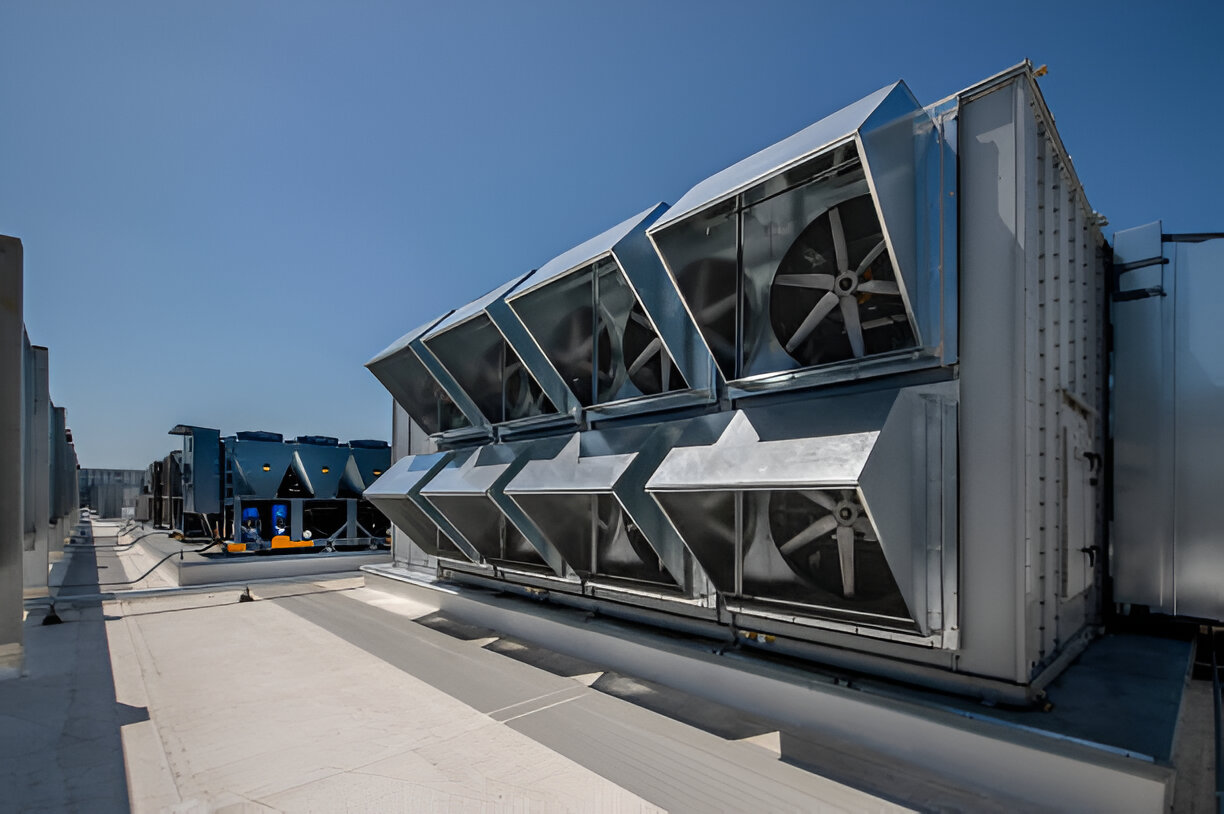
Common HVAC inspection types and local issues in Conroe, TX
- Pre-season inspection (cooling season prep in spring; heating check in fall)
- Pre-sale / pre-purchase inspection for home buyers and sellers
- Safety-focused inspection (carbon monoxide, combustion, and electrical safety)
- System performance inspection (efficiency, refrigerant charge, airflow)
- Ductwork and indoor air quality assessment
Common HVAC inspection issues in Conroe homes:
- Restricted airflow from dirty filters, clogged coils, or undersized/ leaky ducts due to attic humidity and pollen buildup
- Refrigerant undercharge or leaks after high cooling demand during long Texas summers
- Corrosion and motor wear on outdoor units exposed to humidity and occasional severe weather
- Clogged condensate drains and pans contributing to water damage or microbial growth
- Electrical problems (loose connections, failing capacitors, or worn contactors) caused by heavy cycling
- Combustion safety concerns (improper ventilation or cracked heat exchangers) in gas furnaces
What a full HVAC inspection covers
A thorough HVAC inspection evaluates safety, performance, and longevity. Typical inspection elements include:
- Safety and performance checks
- Visual and operational inspection of indoor and outdoor equipment
- Thermostat calibration and system cycling behavior
- Combustion and carbon monoxide checks for gas appliances
- Verification of safety switches, limit controls, and pressure/temperature cutouts
- Ductwork and airflow assessment
- Visual inspection of accessible ducts for leaks, disconnected runs, and insulation gaps
- Measurement of supply and return airflow balance and temperature split across the evaporator coil
- Identification of high static pressure or restricted returns that reduce efficiency and comfort
- Refrigerant and electrical inspections
- Refrigerant pressure and temperature checks to determine correct charge and identify leaks
- Electrical component testing: capacitors, contactors, relays, breakers, wiring integrity, and amp draw
- Start-up load and motor performance measurements
- Condensate, coil, and indoor air quality checks
- Evaporator and condenser coil condition, cleanliness, and airflow impact
- Condensate drain function and presence of microbial growth
- Filter condition, humidifier/dehumidifier operation, and basic IAQ observations
- Documented condition report
- A clear, written report with photos describing findings, prioritized recommendations (safety, immediate, recommended, long-term), and estimated scopes of suggested repairs or improvements
- Pre-sale inspection reports typically include system age, expected remaining life, and any code/permit considerations relevant to Conroe real estate transactions
The diagnostic process — what to expect
- Arrival and system history: Technician reviews system age, maintenance history, and any recent symptoms.
- Visual inspection: Equipment cover panels, combustion areas, duct runs, and outdoor unit condition.
- Operational tests: Start-up and shut-down observations, temperature split across evaporator, and cycle duration tracking.
- Airflow and duct testing: Supply/return temperature and velocity measurements; duct leakage or imbalance noted if present.
- Refrigerant and electrical testing: Pressure readings, superheat/subcooling checks, and electrical component diagnostics.
- Safety testing: Carbon monoxide check, combustion analysis for gas appliances, and verification of safety interlocks.
- Documentation: Photographs, prioritized findings, estimated timelines for repairs, and suggestions for efficiency improvements (insulation, thermostat upgrades, zoning).
Common findings, likely solutions, and urgency levels
- Dirty filters or coils — Solution: cleaning or filter replacement. Urgency: immediate for airflow-impacted systems.
- Refrigerant leak or low charge — Solution: leak detection and repair, then recharge. Urgency: high (reduces cooling capacity and can damage compressor).
- Electrical wear (bad capacitor/contactors) — Solution: component replacement. Urgency: medium to high depending on failure risk.
- Duct leaks or poor insulation — Solution: duct sealing and adding insulation in attic runs. Urgency: medium (saves energy and improves comfort).
- Clogged condensate drain — Solution: clear line and treat pan. Urgency: immediate if overflow risk exists.
- Cracked heat exchanger or unsafe combustion — Solution: detailed safety repair or replacement. Urgency: immediate (safety hazard).
Each inspection report should categorize required work so homeowners, buyers, or sellers understand what must be addressed now versus what can be scheduled later.
Benefits of timely HVAC inspection in Conroe
- Improved comfort and more consistent temperatures across rooms during peak summer months
- Reduced energy bills by restoring proper airflow and optimal refrigerant charge
- Extended equipment life by addressing wear before major failures occur
- Safety assurance for gas appliances and electrical systems in older homes
- Strong, documented inspection reports that support property transactions or insurance requirements
- Fewer emergency repairs during high-demand periods when local service availability may be limited
Practical maintenance tips for Conroe homeowners
- Replace or clean air filters every 1 to 3 months, more often during high pollen seasons or if you have pets
- Schedule a pre-season inspection in early spring for cooling systems and in early fall for heating checks
- Keep at least 2 to 3 feet of clearance around the outdoor condenser; trim plants and remove debris routinely
- Clear condensate lines annually and inspect the pan for standing water or staining
- Seal and insulate attic duct runs and check attic insulation levels to reduce system load in humid summers
- Consider a programmable or smart thermostat to reduce runtime during unoccupied hours without sacrificing comfort
A well-documented HVAC inspection in Conroe, TX provides clarity and confidence: it protects your family from safety risks, optimizes system efficiency for local climate demands, and creates a prioritized plan for repairs or upgrades. Regular inspections are a practical investment for maintaining comfort and avoiding expensive, unexpected breakdowns in the region’s demanding cooling season.
Maintenance Plan You Can Rely On
Basic Care
Perfect for newer systems or budget-conscious homeowners wanting essential protection.
$149/year

Annual comprehensive system inspection
Filter replacement (standard filters included)
15% discount on repairs
Priority scheduling within 48 hours
Premium Protection
Ideal for homes with systems 5+ years old or with moderate usage patterns.
$249/year

Bi-annual system inspections (spring & fall)
Filter replacement (premium filters included)
25% discount on all repairs
Priority scheduling within 24 hours
Free diagnostic fees ($89 value)
Elite Coverage
Best for older systems, luxury homes, or properties with critical climate control needs.
$349/year
Quarterly system inspections
All filters and minor parts included
30% discount on major repairs
Same-day emergency service
Extended 2-year warranty on repairs
Annual system efficiency optimization
Basic Care
Perfect for newer systems or budget-conscious homeowners wanting essential protection.
$149/year
Annual comprehensive system inspection
Filter replacement (standard filters included)
15% discount on repairs
Priority scheduling within 48 hours
Premium Protection
Ideal for homes with systems 5+ years old or with moderate usage patterns.
$249/year
Bi-annual system inspections (spring & fall)
Filter replacement (premium filters included)
25% discount on all repairs
Priority scheduling within 24 hours
Free diagnostic fees ($89 value)
Elite Coverage
Best for older systems, luxury homes, or properties with critical climate control needs.
$349/year
Quarterly system inspections
All filters and minor parts included
30% discount on major repairs
Same-day emergency service
Extended 2-year warranty on repairs
Annual system efficiency optimization
Hear What Our Satisfied Clients Have To Say