
Heating Repair in Conroe, TX
Discover common heating problems in Conroe homes and learn how to diagnose and repair issues like no heat, strange noises, and energy bill increases.
Scroll down to discover more

When the heater in your Conroe home fails, it is not just uncomfortable — it can affect indoor air quality, safety, and long-term equipment health. Stat Air Care Air Conditioning & Heating provides Heating Repair in Conroe, TX, focusing on fast, accurate diagnostics and practical repairs tailored to local needs. Conroe experiences mild winters with occasional cold snaps; many systems sit idle for months, which increases the chance of ignition failures, degraded electrical components, and air flow problems when heaters are called into service.
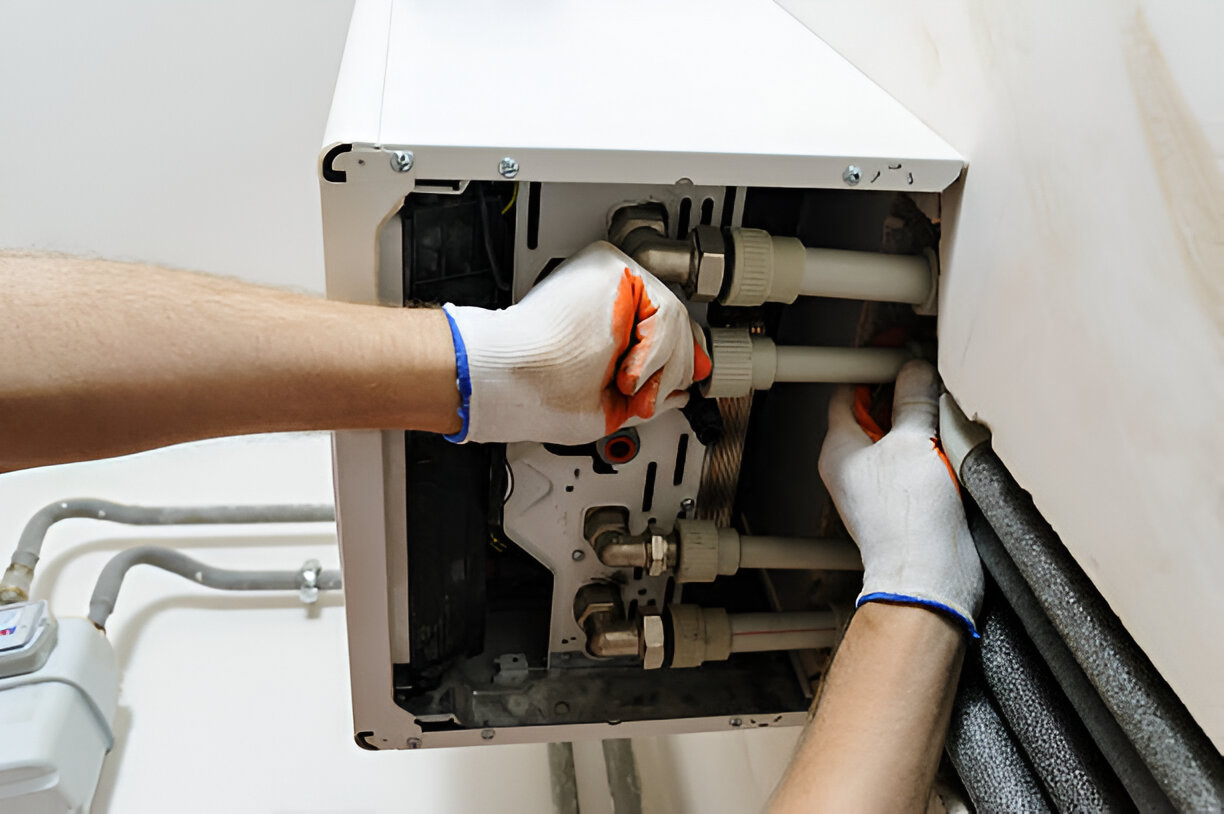
Common heating problems in Conroe homes
- No heat at all: unit runs but produces no warm air, or it does not turn on.
- Uneven heating: hot and cold rooms, or system cycles on and off frequently.
- Strange noises: banging, rattling, squealing, or popping during startup or operation.
- Short cycling: frequent on/off cycles that reduce efficiency and increase wear.
- Weak airflow: reduced output from vents caused by blower or duct issues.
- Odors or visible soot: potential combustion or venting problems in gas systems.
- Increasing energy bills: system running longer to reach set temperature.
- Safety alerts: carbon monoxide alarms or yellow pilot flames indicating combustion issues.
Typical causes we diagnose
- Thermostat faults or calibration errors.
- Clogged air filters and obstructed return registers.
- Ignition and pilot control failures in gas furnaces.
- Faulty blower motors, capacitors, or relays that affect airflow.
- Control board failures or bad limit switches.
- Heat exchanger cracks or flue/vent blockages in combustion systems.
- Refrigerant leaks, reversing valve issues, or compressor problems in heat pumps.
- Duct leaks, poor insulation, or zoning malfunctions that create uneven heating.
Diagnostic process — what a professional will check
- Safety and visual inspection: check for gas leaks, carbon monoxide risks, and visible damage.
- Thermostat verification: confirm settings, wiring, and accurate temperature sensing.
- Airflow evaluation: inspect filters, blower wheel, motor amp draw, and supply/return paths.
- Electrical testing: measure voltages, check capacitors, relays, and control board signals.
- Combustion and ventilation checks (gas systems): inspect burners, pilot or ignition system, and flue draft. Perform CO testing if indicated.
- Refrigerant and mechanical testing (heat pumps): check pressures, compressor function, reversing valve, and defrost systems.
- Duct and distribution inspection: evaluate for leaks, blockages, or insulation shortfalls that cause uneven heating.
Diagnostics usually identify root cause within the first visit in most common cases. More complex failures that require ordering specific parts or in-depth testing may need additional time.
Common repairs and expected timelines
- Minor fixes (thermostat recalibration, filter replacement, capacitor swap, limit switch replacement): often resolved same day.
- Component replacements (blowers, control boards, ignition modules, capacitors): typically completed within 24 to 48 hours depending on part availability.
- Refrigerant repairs or compressor replacements for heat pumps: can take 24 to 72 hours due to parts sourcing and leak testing.
- Major repairs (heat exchanger replacement, extensive duct repair): may require multiple days and additional safety testing for combustion systems.
Repair timelines are influenced by parts availability and system accessibility. During seasonal cold snaps, parts supply and technician schedules can extend completion time.
Parts, labor, and warranty considerations
- Common replacement parts include thermostats, capacitors, blower motors, control boards, limit switches, ignition assemblies, and refrigerant components.
- Labor involves hands-on testing, safe removal and replacement of defective parts, post-repair performance verification, and any required safety checks such as carbon monoxide testing for gas systems.
- Many heating repairs come with warranty coverage on parts and labor. Confirm warranty terms and durations for the components and workmanship provided.
- Transparent documentation of replaced parts and test results is important for future maintenance and potential warranty claims.
Emergency and after-hours response
Emergency heating repairs are critical during sudden cold conditions. After-hours response typically prioritizes safety-driven issues such as no heat in freezing conditions, suspected gas leaks, or carbon monoxide alarms. Emergency response aims to restore safe operation quickly, often providing temporary solutions if full repairs require parts. Expect technicians to perform safety isolation, temporary fixes, and follow-up scheduling for permanent repairs.
Repair versus replacement: how to decide
Consider repair when:
- The issue is isolated to a single, replaceable component (thermostat, capacitor, ignition module).
- The unit is relatively young and otherwise well-maintained.
- The repair restores efficiency and safety without frequent repeat failures.
Consider replacement when:
- The system is approaching or beyond its expected life span (furnaces often 15 to 20 years, heat pumps typically 10 to 15 years).
- The heat exchanger is cracked, or the compressor has failed, creating high risk and high repair costs.
- Repairs will be frequent or the total cost of needed repairs approaches a significant portion of replacement cost.
- You want improved efficiency, better temperature balance, or updated zone control and smart thermostat integration.
In Conroe, where winters are usually mild, replacement can often be scheduled strategically before the next heating season to avoid emergency situations and take advantage of more convenient installation windows.
Maintenance tips to reduce repairs
- Replace or clean filters every 1 to 3 months during the heating season.
- Schedule annual heating tune-ups before the cooler months to catch issues early.
- Keep outdoor heat pump units clear of debris and vegetation to maintain airflow.
- Seal visible duct joints and insulate ducts in unconditioned spaces to reduce uneven heating.
- Test carbon monoxide detectors and ensure proper venting for gas appliances.
FAQ
Q: How quickly can a technician usually diagnose a heating problem?
A: Many common heating problems are diagnosed within the first visit after a structured inspection and tests; complex issues that require parts or deeper testing may need additional visits.
Q: Is it safe to run a gas furnace if I smell a rotten egg odor?
A: No. A rotten egg smell indicates a possible gas leak. The system should be shut off, and the situation addressed immediately by a qualified technician.
Q: How often should I have my heating system serviced in Conroe?
A: Annual servicing before the heating season is recommended; in Conroe this often means scheduling an inspection in late fall to prepare for any cold snaps.
Q: Can uneven heating be fixed without replacing the entire system?
A: Often yes. Uneven heating is commonly caused by duct leaks, blocked vents, poor insulation, or zoning problems and can frequently be corrected without full system replacement.
Q: When is a heat pump repair more practical than replacement?
A: If the heat pump is under 10 years old, the defect is isolated, and the repair restores performance and efficiency, repair is usually practical.
Q: Will repairs improve energy bills immediately?
A: Fixing airflow restrictions, faulty controls, or refrigerant issues typically improves system efficiency and can reduce energy use, often noticeable after repair.
Q: What should I expect during an emergency after-hours visit?
A: Expect a safety-focused assessment, temporary measures if needed to restore heat safely, and a clear plan for permanent repairs once parts and normal scheduling allow.
Q: Are warranties available on heating repairs?
A: Yes, many repairs include warranties on parts and workmanship. Review the specific warranty terms provided for each repair.
Maintenance Plan You Can Rely On
Basic Care
Perfect for newer systems or budget-conscious homeowners wanting essential protection.
$149/year

Annual comprehensive system inspection
Filter replacement (standard filters included)
15% discount on repairs
Priority scheduling within 48 hours
Premium Protection
Ideal for homes with systems 5+ years old or with moderate usage patterns.
$249/year

Bi-annual system inspections (spring & fall)
Filter replacement (premium filters included)
25% discount on all repairs
Priority scheduling within 24 hours
Free diagnostic fees ($89 value)
Elite Coverage
Best for older systems, luxury homes, or properties with critical climate control needs.
$349/year
Quarterly system inspections
All filters and minor parts included
30% discount on major repairs
Same-day emergency service
Extended 2-year warranty on repairs
Annual system efficiency optimization
Basic Care
Perfect for newer systems or budget-conscious homeowners wanting essential protection.
$149/year
Annual comprehensive system inspection
Filter replacement (standard filters included)
15% discount on repairs
Priority scheduling within 48 hours
Premium Protection
Ideal for homes with systems 5+ years old or with moderate usage patterns.
$249/year
Bi-annual system inspections (spring & fall)
Filter replacement (premium filters included)
25% discount on all repairs
Priority scheduling within 24 hours
Free diagnostic fees ($89 value)
Elite Coverage
Best for older systems, luxury homes, or properties with critical climate control needs.
$349/year
Quarterly system inspections
All filters and minor parts included
30% discount on major repairs
Same-day emergency service
Extended 2-year warranty on repairs
Annual system efficiency optimization
Hear What Our Satisfied Clients Have To Say