
HVAC Replacement in Conroe, TX
HVAC replacement in Conroe, TX: learn installation steps, benefits, financing options, and what to expect during service from licensed pros.
Scroll down to discover more

HVAC Replacement in Conroe, TX
Replacing an aging HVAC system with Stat Air Care Air Conditioning & Heating is one of the most impactful home improvements for comfort and energy savings in Conroe, TX. With long, hot, humid summers and mild winters, homes here rely heavily on cooling and dehumidification.
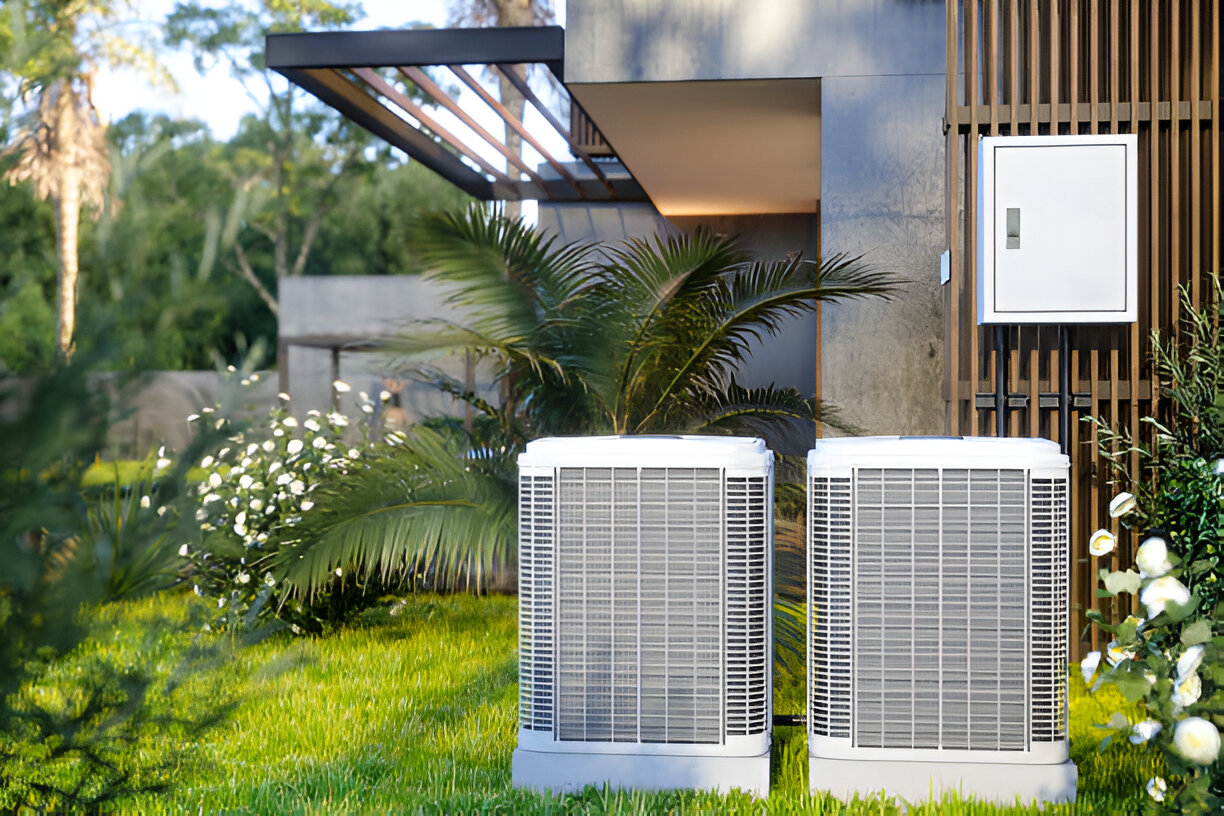
Why consider HVAC replacement in Conroe, TX
Conroe’s climate puts continuous strain on air conditioners. If your system is frequently cycling, failing to control humidity, or struggling on the hottest days, it is costing you comfort and money. Replacement is often the smarter choice when equipment age, efficiency loss, and repair frequency combine to create diminishing returns from patchwork fixes.
Common signs replacement is preferable to repair
Look for these clear indicators your system should be replaced rather than repaired:
- System age: major components older than 10 to 15 years typically lose efficiency and reliability.
- Frequent breakdowns: repeated service calls mean ongoing disruption and rising cumulative repair costs.
- Rising utility bills: steady increases in electric bills despite regular maintenance suggest efficiency loss.
- Inadequate cooling or uneven temperatures: rooms that never reach setpoint or large temperature differences between rooms.
- Poor humidity control: persistent indoor humidity during Conroe’s humid season causing discomfort and mold risk.
- Major component failure: compressor burnout, cracked heat exchanger, or unavailable refrigerant (older R-22 systems).
- Excessive noise or vibration indicating worn motors or compressors.
- Deteriorated ductwork: extensive leaks or undersized ducts that reduce overall system effectiveness.
How technicians evaluate an aging unit
A thorough evaluation includes:
- Visual and operational inspection: checking condenser, evaporator coils, fan motors, capacitors, and electrical connections.
- Performance testing: measuring airflow, refrigerant charge, superheat/subcooling, and static pressure.
- Efficiency assessment: determining current SEER or HSPF equivalent and comparing it with modern high-efficiency options.
- Load calculation: performing a Manual J sizing to confirm proper system capacity for the home’s current layout and insulation.
- Duct and envelope inspection: identifying leaks, insulation gaps, and return air issues.
- Service history review: weighing past repairs against remaining expected lifespan.
This combination of measurements and diagnostics determines whether repair extends useful life cost effectively or replacement is the better long-term decision.
Recommended high-efficiency options for Conroe homes
Conroe homeowners benefit most from systems that emphasize cooling capacity and humidity control:
- Variable-speed or two-stage compressors: provide smoother temperature control, better dehumidification, and lower runtime on modest days.
- High-SEER air conditioners or heat pumps: modern units run more efficiently and reduce electrical consumption during long cooling seasons.
- Heat pumps with enhanced cold-weather performance: suitable for Conroe’s mild winters while delivering efficient cooling.
- Properly sized systems based on Manual J: prevents short cycling and maximizes dehumidification.
- Zoned systems and smart thermostats: enable different temperatures for areas of the home and optimize run times.
- Enhanced indoor air quality options: whole-home dehumidifiers and efficient filtration to address humidity, pollen, and indoor pollutants.
Removal, disposal, installation, and commissioning
A professional replacement typically follows this process:
- Pre-install planning: verify load calculation, system selection, permit requirements, and site preparation.
- Safe refrigerant recovery and disposal: certified technicians recover any refrigerant to comply with environmental regulations.
- Removal of old equipment: outdoor and indoor units are disconnected, removed, and responsibly recycled or disposed of per local rules.
- Ductwork corrections and modifications: repair or seal ducts, adjust returns, and ensure proper airflow paths before new equipment is set.
- New equipment installation: correctly mount, level, and connect outdoor and indoor units; install new refrigerant lines and electrical feeds as required.
- System charging and balancing: precisely charge refrigerant, measure airflow, and balance static pressure for efficient operation.
- Commissioning and homeowner orientation: run performance checks, set thermostat programming, explain operation and maintenance, and register equipment warranties and permits.
In Conroe, where occasional heavy rain and flooding can occur, installers will also assess equipment placement and elevation to reduce flood risk and ensure adequate clearance for airflow and maintenance.
Cost factors and financing or rebate guidance
Replacement cost varies with system size, efficiency level, ductwork condition, and installation complexity. Factors that influence overall cost include:
- System capacity and SEER rating selected.
- Need for duct repairs, zoning, or additional indoor components like dehumidifiers.
- Electrical upgrades or permit requirements in the home.
- Accessibility and placement of the indoor/outdoor equipment.
Financing and rebate options to consider:
- Check local utility and state incentive programs for rebates on high-efficiency equipment and heat pumps.
- Federal tax credits may be available for qualifying energy-efficient systems; review current tax guidance.
- Many homeowners use home improvement loans, home equity lines, or lender programs offered through HVAC providers to spread payments over time.
- Manufacturer or dealer financing programs and seasonal rebate promotions can offset initial cost; ask for documentation that supports eligibility for any rebate or tax credit.
Technicians and installers typically prepare the paperwork needed for rebate applications and warranty registration as part of the commissioning process.
Expected energy and comfort benefits
Upgrading to a modern, correctly sized system provides:
- Improved comfort: more consistent temperatures and fewer hot or cold spots.
- Better humidity control: longer runtime at lower speeds removes more moisture, improving indoor comfort during Conroe summers.
- Reduced energy use: newer systems operate more efficiently, lowering the electrical load during peak cooling months.
- Quieter operation and improved indoor air quality with upgraded filtration and dehumidification options.
- Greater reliability and fewer emergency repairs, extending predictable service life and peace of mind.
Maintenance tips after replacement
To protect your investment and maintain peak performance:
- Change or clean filters regularly and follow the manufacturer’s maintenance schedule.
- Schedule annual professional tune ups before the cooling season to verify refrigerant charge, airflow, and component condition.
- Keep outdoor coils clear of debris and maintain adequate clearance around the condenser.
- Seal and insulate ducts in attics and crawl spaces where heat gain is greatest.
- Use programmable or smart thermostats to optimize run times and reduce unnecessary cooling during the day.
Replacing an HVAC system in Conroe is not just about a new unit; it is an opportunity to optimize comfort, reduce energy waste, and address humidity and indoor air quality specific to the Texas Gulf Coast climate. A careful evaluation, correct system selection, and professional installation are the keys to long-term satisfaction and efficiency.
Maintenance Plan You Can Rely On
Basic Care
Perfect for newer systems or budget-conscious homeowners wanting essential protection.
$149/year

Annual comprehensive system inspection
Filter replacement (standard filters included)
15% discount on repairs
Priority scheduling within 48 hours
Premium Protection
Ideal for homes with systems 5+ years old or with moderate usage patterns.
$249/year

Bi-annual system inspections (spring & fall)
Filter replacement (premium filters included)
25% discount on all repairs
Priority scheduling within 24 hours
Free diagnostic fees ($89 value)
Elite Coverage
Best for older systems, luxury homes, or properties with critical climate control needs.
$349/year
Quarterly system inspections
All filters and minor parts included
30% discount on major repairs
Same-day emergency service
Extended 2-year warranty on repairs
Annual system efficiency optimization
Basic Care
Perfect for newer systems or budget-conscious homeowners wanting essential protection.
$149/year
Annual comprehensive system inspection
Filter replacement (standard filters included)
15% discount on repairs
Priority scheduling within 48 hours
Premium Protection
Ideal for homes with systems 5+ years old or with moderate usage patterns.
$249/year
Bi-annual system inspections (spring & fall)
Filter replacement (premium filters included)
25% discount on all repairs
Priority scheduling within 24 hours
Free diagnostic fees ($89 value)
Elite Coverage
Best for older systems, luxury homes, or properties with critical climate control needs.
$349/year
Quarterly system inspections
All filters and minor parts included
30% discount on major repairs
Same-day emergency service
Extended 2-year warranty on repairs
Annual system efficiency optimization
Hear What Our Satisfied Clients Have To Say