
Ventilation in Conroe, TX
Explore balanced whole-house ventilation options in Conroe, TX, including ERV/HRV and installation guidance to optimize your HVAC system.
Scroll down to discover more

Ventilation in Conroe, TX
Proper ventilation from Stat Air Care Air Conditioning & Heating is essential for healthy, comfortable indoor environments in Conroe, TX. With long, humid summers and frequent heavy rainfall, homes and businesses here face higher risks of excess indoor moisture, mold growth, persistent odors, and elevated cooling loads.
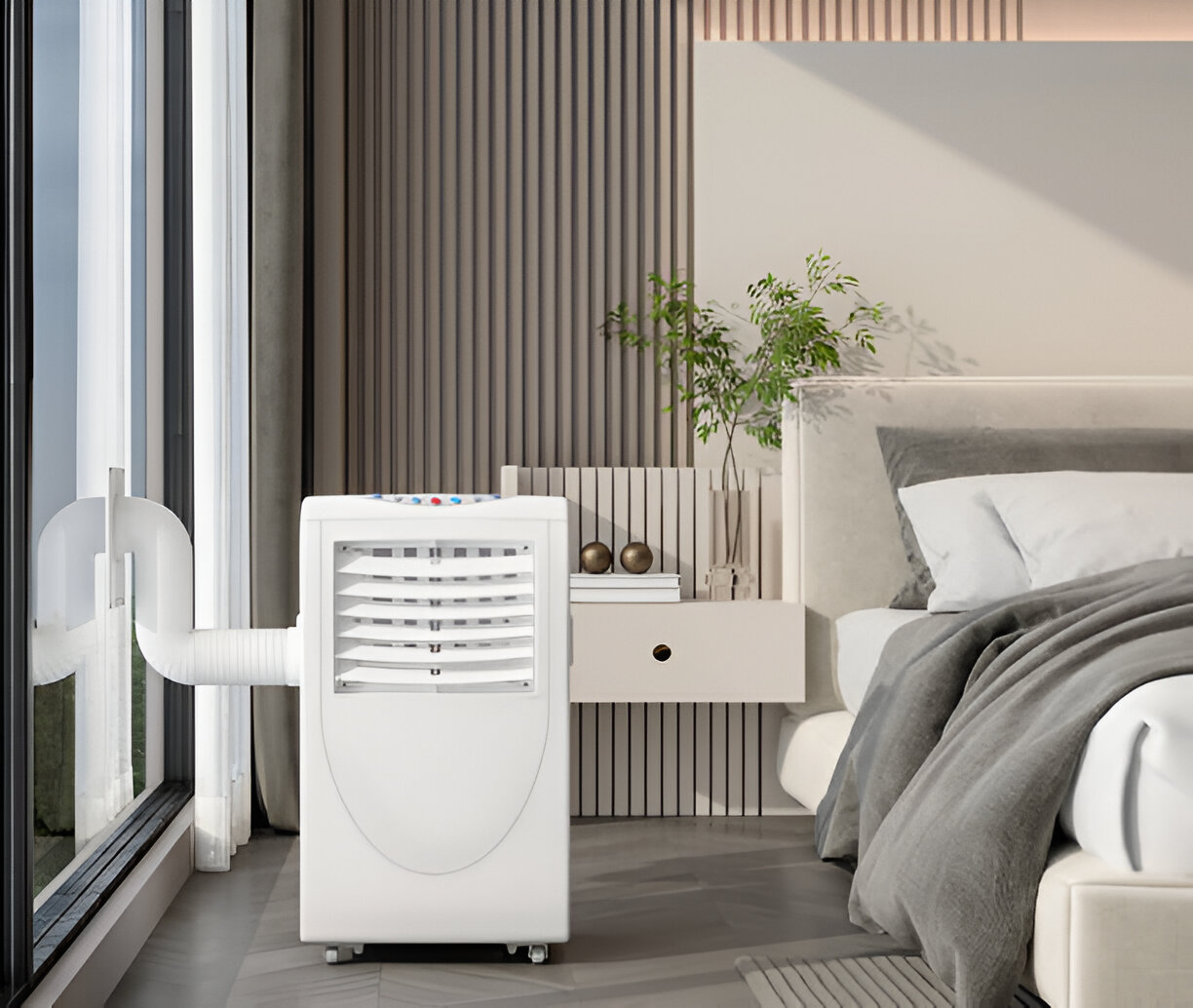
Why ventilation matters in Conroe homes and businesses
Conroe’s humid subtropical climate means indoor moisture control is a top priority. Without the right ventilation:
- Indoor humidity can stay elevated, encouraging mold, dust mites, and musty odors.
- Volatile organic compounds (VOCs) from finishes, cleaning products, and building materials accumulate.
- Comfort suffers and air conditioning runs longer to remove latent humidity, increasing energy use.
- Occupant health can decline — allergies and asthma symptoms often worsen with poor ventilation.
A properly designed ventilation strategy improves air quality, reduces moisture-related damage, and can lower overall HVAC energy use when combined with energy-recovery equipment.
Common ventilation problems in Conroe, TX
- High indoor relative humidity (often above 60%), condensation on windows, and damp crawlspaces or attics.
- Mold or mildew in bathrooms, closets, and basements.
- Stale air or persistent odors after cooking or renovations.
- Uneven control of humidity and temperature due to duct leakage or inadequate air exchange.
- Excessive indoor pollutants after remodeling, painting, or new furniture installations.
Whole-house ventilation: supply vs. exhaust vs. balanced systems
Balanced mechanical ventilation is typically the best choice for most Conroe properties because it brings controlled outdoor air in while exhausting an equal amount, minimizing pressure imbalances.
- Supply ventilation
- How it works: Outdoor air is filtered and supplied into the home, pressurizing the building slightly.
- Pros: Easier to filter incoming air; helps keep outdoors pollutants like dust and pollen from infiltrating through leaks.
- Cons: Can introduce humid outdoor air in summer unless paired with dehumidification or energy recovery.
- Exhaust ventilation
- How it works: Continuous exhaust fans remove indoor air, creating slight negative pressure that pulls in outdoor air through leaks.
- Pros: Simple and lower-cost; good at removing moisture from wet rooms.
- Cons: Uncontrolled makeup air can bring in humid air and outdoor pollutants, and may pull from attics/crawlspaces if not sealed.
- Balanced ventilation (ERV/HRV)
- How it works: Brings outdoor air in while exhausting an equal volume; heat and/or moisture is transferred between incoming and outgoing airstreams.
- ERV (Energy Recovery Ventilator): Transfers both sensible heat and some moisture — recommended for humid climates like Conroe because it reduces the latent load on air conditioning.
- HRV (Heat Recovery Ventilator): Transfers mostly heat, more useful in cold, dry climates.
For Conroe, a balanced ERV is often the best option for homes and many commercial spaces because it reduces the cooling and dehumidification burden while providing continuous fresh air.
Ventilation rates and code compliance
Minimum ventilation rates for dwellings are typically based on ASHRAE 62.2, which prescribes continuous or intermittent ventilation rates scaled to home size and occupancy. Typical whole-house continuous ventilation for many homes falls roughly in the 40–100 CFM range depending on square footage and bedroom count. Commercial and high-occupancy spaces follow ASHRAE 62.1 and local building codes.
Texas jurisdictions generally adopt the International Residential Code and the International Energy Conservation Code with state amendments. Compliance considerations include ventilation flow, fan efficiency, filtration, and energy recovery when required by code. When designing ventilation for Conroe properties, adherence to ASHRAE guidance and local permitting requirements ensures both health and code compliance.
Integration with HVAC and energy-recovery options
Ventilation should be integrated with the existing HVAC system to control temperature and humidity efficiently:
- Ducted ERVs can connect to the return plenum or dedicated duct runs; correct placement and backdraft management are important.
- ECM (variable-speed) ventilation fans match airflow to need and reduce energy use.
- In high-humidity periods, pairing an ERV with a dedicated dehumidifier or optimizing the HVAC’s dehumidification cycle minimizes latent loads.
- Controls: Demand-controlled ventilation (DCV) uses occupancy or CO2 sensors to vary ventilation rates, which can be energy-efficient in commercial or variable-occupancy buildings.
Energy-recovery devices reduce the heating and cooling load associated with conditioning outdoor air. In Conroe’s climate, ERVs that transfer moisture as well as heat can preserve indoor humidity balance, reducing air conditioner runtime and improving comfort.
Diagnostic and installation process
A thorough approach ensures ventilation improvements perform as intended:
- Assessment: Measure indoor humidity, CO2, VOCs, and perform a walkthrough to identify moisture sources (plumbing leaks, poor attic insulation, or crawlspace issues).
- Duct and envelope inspection: Check for leaks, insulation deficiencies, and connection points.
- System selection and sizing: Calculate required ventilation rates per ASHRAE and code, choose ERV/HRV or other equipment sized for the home or business.
- Design and permitting: Lay out duct runs, intake/exhaust locations, filtration levels, and controls; secure any necessary permits.
- Installation and commissioning: Install equipment, balance the system, and test airflow and controls.
- Maintenance plan: Establish filter changes, core cleaning schedules, and periodic performance checks.
Recommended systems for Conroe homes and businesses
- Single-family homes: A balanced ERV sized to the home’s ASHRAE 62.2 requirement, with filtration rated MERV 8–13 depending on indoor pollutant concerns, and ducted to return and supply paths. Ensure crawlspaces and attics are sealed and conditioned or ventilated properly.
- Older homes with leaky envelopes: An ERV combined with selective air sealing and crawlspace encapsulation reduces uncontrolled moisture and increases ventilation effectiveness.
- High-humidity or remodel projects: Add point-source dehumidification or integrate a whole-house dehumidifier with an ERV to manage latent loads.
- Commercial spaces: Makeup air units with energy recovery, demand-controlled ventilation for variable occupancy areas, and higher-capacity filtration to meet indoor air quality standards.
Maintenance, signs you need improved ventilation, and long-term benefits
Signs you need an upgrade:
- Persistent indoor humidity above 60%
- Recurring mold or mildew
- Condensation on windows or inside walls
- Lingering odors or stale air
- Increased allergy or asthma symptoms among occupants
Maintenance tasks that sustain performance:
- Replace or clean filters regularly (follow equipment recommendations)
- Clean ERV cores annually or per manufacturer guidance
- Inspect intake and exhaust louvers for blockage and vermin
- Verify control settings seasonally and retest airflow
Long-term benefits of proper ventilation include healthier indoor air, lower mold risk, better occupant comfort, and reduced HVAC energy use when energy recovery and proper controls are employed.
Well-designed ventilation tailored to Conroe’s humid climate protects your building and the people inside it. By choosing the appropriate balanced system, integrating it with HVAC, and following best practices for installation and maintenance, homes and businesses in Conroe can enjoy consistent indoor air quality, controlled moisture, and improved comfort year-round.
Maintenance Plan You Can Rely On
Basic Care
Perfect for newer systems or budget-conscious homeowners wanting essential protection.
$149/year

Annual comprehensive system inspection
Filter replacement (standard filters included)
15% discount on repairs
Priority scheduling within 48 hours
Premium Protection
Ideal for homes with systems 5+ years old or with moderate usage patterns.
$249/year

Bi-annual system inspections (spring & fall)
Filter replacement (premium filters included)
25% discount on all repairs
Priority scheduling within 24 hours
Free diagnostic fees ($89 value)
Elite Coverage
Best for older systems, luxury homes, or properties with critical climate control needs.
$349/year
Quarterly system inspections
All filters and minor parts included
30% discount on major repairs
Same-day emergency service
Extended 2-year warranty on repairs
Annual system efficiency optimization
Basic Care
Perfect for newer systems or budget-conscious homeowners wanting essential protection.
$149/year
Annual comprehensive system inspection
Filter replacement (standard filters included)
15% discount on repairs
Priority scheduling within 48 hours
Premium Protection
Ideal for homes with systems 5+ years old or with moderate usage patterns.
$249/year
Bi-annual system inspections (spring & fall)
Filter replacement (premium filters included)
25% discount on all repairs
Priority scheduling within 24 hours
Free diagnostic fees ($89 value)
Elite Coverage
Best for older systems, luxury homes, or properties with critical climate control needs.
$349/year
Quarterly system inspections
All filters and minor parts included
30% discount on major repairs
Same-day emergency service
Extended 2-year warranty on repairs
Annual system efficiency optimization
Hear What Our Satisfied Clients Have To Say