
HVAC Maintenance in Conroe, TX
Discover comprehensive HVAC maintenance in Conroe, TX to boost efficiency, preserve warranties, and schedule priority service today for long-term comfort.
Scroll down to discover more

HVAC Maintenance in Conroe, TX
Keeping your HVAC system running reliably in Conroe, TX means accounting for long, hot, humid summers and seasonal pollen and storm impacts. Regular, professional HVAC maintenance in Conroe, TX from Stat Air Care Air Conditioning & Heating reduces unexpected breakdowns during peak heat, preserves manufacturer warranties, and lowers operating costs over the life of the equipment.
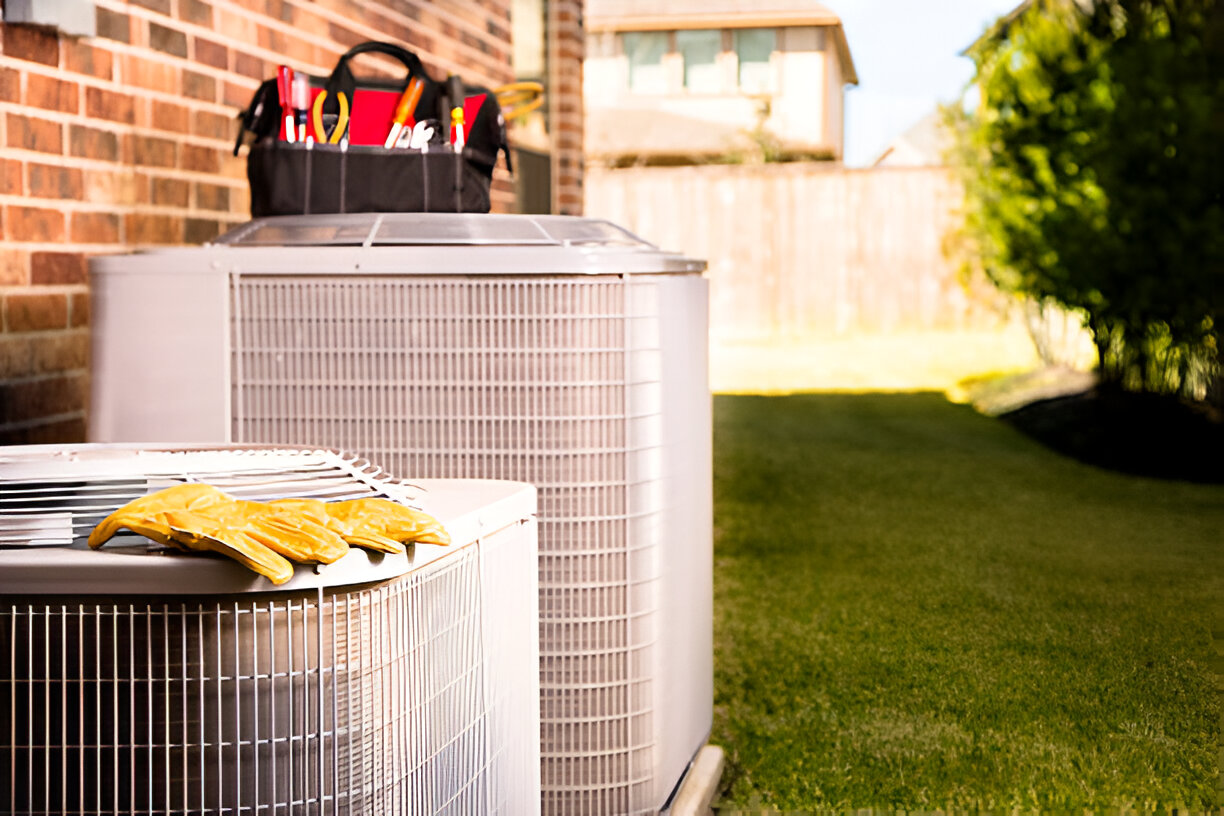
Why preventive HVAC maintenance matters in Conroe homes
Conroe’s climate places extra stress on cooling equipment. High humidity creates more condensate, increasing the risk of clogged drains, coil corrosion, and mold growth in drain pans and ducts. Spring and fall pollen loads can rapidly clog filters and reduce airflow. Regular maintenance addresses these local pressures so your system can cool efficiently when you need it most.
Common risks avoided by routine maintenance:
- Reduced airflow from clogged filters and coils
- Refrigerant leaks that sap cooling capacity
- Short cycling and compressor wear from dirty components
- Water damage and mold from blocked condensate lines
- Electrical failures from loose or corroded connections
Typical HVAC maintenance services and scheduled inspections
A proactive maintenance program includes scheduled inspections and routine tasks designed to catch small problems early and keep equipment operating near peak efficiency.
Standard tasks included in professional HVAC maintenance:
- Visual system inspection and safety checks
- Air filter inspection and replacement or guidance on filter schedule
- Condensate drain cleaning and treatment to prevent clogs and mold
- Evaporator and condenser coil cleaning for efficient heat transfer
- Refrigerant level check and leak detection
- Electrical connections, contactor, and capacitor inspection and tightening
- Blower motor and fan inspection, cleaning, and lubrication if applicable
- Belt inspection and replacement if worn
- Thermostat calibration and control checks
- System performance tests: temperature split, airflow assessment, and operational cycling
- Written service report with findings and recommended repairs
Most Conroe maintenance plans schedule at least two visits per year: a spring cooling tune-up before peak summer and a fall check for heating and overall system integrity. Homes with high occupancy or pets may require more frequent filter servicing.
Diagnostic approach — what technicians measure and why it matters
Professional diagnostics go beyond a quick visual check. Technicians use measurement and testing to diagnose less obvious issues and confirm system performance.
Common diagnostic checks:
- Temperature split across the evaporator coil to confirm proper cooling
- Refrigerant pressure and charge verification to spot leaks or undercharge
- System amp draw on motors and compressors to detect electrical strain
- Static pressure and airflow checks to reveal duct or filter restrictions
- Condensate flow and pan condition to prevent water damage and microbial growth
Accurate diagnostics let technicians prioritize repairs that restore efficiency and prevent repeat visits. For Conroe homeowners, this reduces the chance of a summer breakdown when service demand is highest.
Maintenance agreements and priority service benefits
Maintenance agreements formalize preventative care and deliver advantages that translate into reliability and savings over time. Typical elements of an HVAC maintenance agreement in Conroe include:
- Scheduled, guaranteed inspection windows (often twice yearly)
- Priority service scheduling during peak cooling season
- Reduced or waived diagnostic/trip fees for covered units
- Discounted labor and parts for covered repairs
- Detailed service records to support warranty claims and resale value
- Automated seasonal reminders to keep service current
- Transferable agreements that can enhance home resale appeal
Priority service benefits are especially valuable in Conroe summers when HVAC repair demand spikes. Members with priority status get faster response times, reducing hours without cooling and minimizing discomfort or potential damage to sensitive home items.
How regular maintenance extends equipment life and preserves warranties
Manufacturers commonly require routine maintenance to keep warranties valid. A documented maintenance history showing annual or semiannual service protects your warranty rights and supports claims for premature failure.
Key ways maintenance extends equipment life:
- Keeping refrigerant charge correct prevents compressor stress and early failure
- Clean coils and proper airflow reduce system run time and component wear
- Tightened electrical connections cut down on heat-related failures
- Early detection of failing capacitors or motors avoids costly breakdowns
Over time, well-maintained systems can run more efficiently, require fewer major repairs, and last several years longer than neglected units.
Typical cost-savings and return on preventative care
Preventative maintenance costs are modest compared to major repairs or premature replacement. While every system and usage pattern is different, routine maintenance can deliver consistent savings:
- Improved energy efficiency, often reducing cooling/heating energy use by several percent and occasionally 5 to 15 percent depending on starting condition
- Fewer emergency repairs and associated premium labor or parts charges during peak season
- Avoided costs from water damage or mold remediation caused by blocked condensate lines
- Extended equipment life delaying the higher cost of system replacement
Documented maintenance also helps protect warranty coverage, which can significantly reduce the expense of major component failures during the warranty period.
Practical homeowner tips and recommended frequency
Homeowners can complement professional service with simple routine checks to keep systems running smoothly between visits:
- Replace or inspect disposable filters every 1 to 3 months, more often during pollen season or with pets
- Keep outdoor unit clear of debris, vegetation, and stored items to ensure proper airflow
- Monitor thermostat settings and change batteries annually if applicable
- Check visible condensate lines for leaks or signs of clogging
- Note unusual noises, odors, or short cycling and schedule a professional inspection promptly
Recommended professional schedule:
- Cooling system tune-up in late winter or early spring
- Full system check in fall for heat and overall safety
- Additional checks if you notice reduced performance or after storm events
Maintenance Plan You Can Rely On
Basic Care
Perfect for newer systems or budget-conscious homeowners wanting essential protection.
$149/year

Annual comprehensive system inspection
Filter replacement (standard filters included)
15% discount on repairs
Priority scheduling within 48 hours
Premium Protection
Ideal for homes with systems 5+ years old or with moderate usage patterns.
$249/year

Bi-annual system inspections (spring & fall)
Filter replacement (premium filters included)
25% discount on all repairs
Priority scheduling within 24 hours
Free diagnostic fees ($89 value)
Elite Coverage
Best for older systems, luxury homes, or properties with critical climate control needs.
$349/year
Quarterly system inspections
All filters and minor parts included
30% discount on major repairs
Same-day emergency service
Extended 2-year warranty on repairs
Annual system efficiency optimization
Basic Care
Perfect for newer systems or budget-conscious homeowners wanting essential protection.
$149/year
Annual comprehensive system inspection
Filter replacement (standard filters included)
15% discount on repairs
Priority scheduling within 48 hours
Premium Protection
Ideal for homes with systems 5+ years old or with moderate usage patterns.
$249/year
Bi-annual system inspections (spring & fall)
Filter replacement (premium filters included)
25% discount on all repairs
Priority scheduling within 24 hours
Free diagnostic fees ($89 value)
Elite Coverage
Best for older systems, luxury homes, or properties with critical climate control needs.
$349/year
Quarterly system inspections
All filters and minor parts included
30% discount on major repairs
Same-day emergency service
Extended 2-year warranty on repairs
Annual system efficiency optimization
Hear What Our Satisfied Clients Have To Say