
Mini Split Inspection in Conroe, TX
Professional mini-split inspection in Conroe, TX ensures safe, efficient performance with a detailed report and recommended repairs. Learn more.
Scroll down to discover more

A comprehensive mini-split inspection from Stat Air Care Air Conditioning & Heating in Conroe, TX ensures your ductless cooling and heating systems perform safely and efficiently in a hot, humid climate. Conroe homes see long cooling seasons, high humidity, and seasonal pollen that all increase strain on mini-splits. A professional inspection verifies performance, finds hidden problems that can void warranties or hurt resale value, and delivers a clear written report with recommended repairs or upgrades and options for scheduled follow-up.
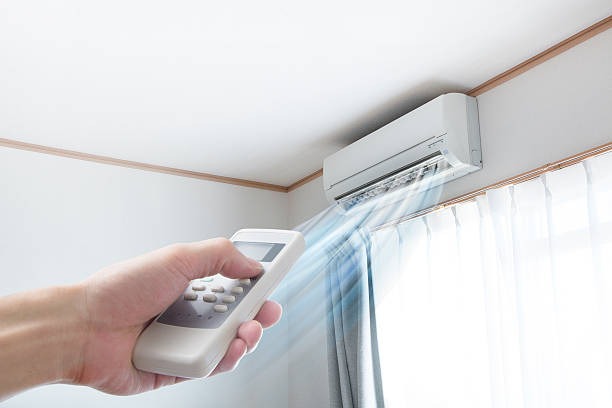
Why an inspection matters for Conroe homes
- High humidity in Montgomery County increases the risk of condensate backups, mold growth, and corrosion on outdoor units.
- Heavy summer runtime accelerates wear on compressors, fan motors, and electrical components.
- Pollen and airborne debris can clog filters and coils, reducing airflow and efficiency.
- Pre-sale or warranty inspections provide documented proof of system condition and help avoid costly surprises during real estate transactions.
Common mini-split issues in Conroe, TX
- Reduced cooling or heating capacity during peak summer or winter days.
- Uneven temperatures between rooms or zones.
- Visible or suspected refrigerant leaks, indicated by hissing sounds, oil stains, or ice on lines.
- Weak airflow or noisy indoor heads due to clogged filters, blower issues, or ductless head malfunctions.
- Electrical faults: tripped breakers, loose connections, or improper voltage that shorten component life.
- Poor mounting or vibration problems from loose outdoor unit fasteners or failing isolation pads.
- Clogged condensate lines or pans leading to water overflow and mildew.
- Corrosion on outdoor coils and fittings from humidity and local conditions.
What a full mini-split inspection includes
A thorough inspection is diagnostic and preventive. Typical steps performed during an inspection include:
- Visual and physical check of indoor and outdoor units for corrosion, physical damage, and proper mounting.
- Airflow and temperature verification using anemometers and infrared thermometers to confirm each indoor head delivers rated air volume and cooling or heating delta T.
- Refrigerant system diagnostics: pressure checks, temperature measurements, and leak detection using electronic detectors or UV dye when needed.
- Electrical inspection: voltage and amperage checks on compressor and fan circuits, verification of secure connections, and confirmation of correct breaker sizing and grounding.
- Condensate system assessment: inspect drain lines, traps, and pans for blockages, proper slope, and functioning float switches or safety devices.
- Coil, filter, and blower inspection and cleaning as required to restore efficiency.
- Thermostat and sensor calibration checks to ensure accurate control and eliminate short-cycling or misreadings.
- Operational testing across modes (cool, heat, fan, auto) and observing start-up and shut-down behavior to identify intermittent faults.
- Documentation: photographs, measured readings, and a prioritized written report describing findings, recommended repairs or upgrades, and options for scheduled follow-up maintenance.
Diagnostic tools and what they reveal (in plain terms)
- Digital manifold and pressure gauges confirm refrigerant pressures match expected values for ambient conditions. Low charge can mean leaks and poor cooling.
- Leak detectors and UV dye locate refrigerant escapes before they worsen. Even small leaks reduce efficiency and may damage the compressor.
- Anemometers and infrared thermometers prove whether an indoor head is delivering correct airflow and temperature drop, so you know if the unit is sized and functioning correctly.
- Clamp meters and voltmeters identify electrical stress and unsafe wiring that can fail or create fire risk.
- Visual photos and reports make warranty claims or real estate disclosures straightforward and defensible.
Repairs, upgrades, and warranty considerations
- Refrigerant repair and recharge: fix leaks, replace failed access valves or line sections, and restore correct charge for peak performance.
- Electrical repairs: tighten connections, replace worn contactors, capacitors, or breakers to stop nuisance trips and protect the compressor.
- Condensate corrections: clear or replace drain lines, install or repair condensate pumps, and add safety controls if needed to prevent water damage.
- Coil and filter service: clean or replace coils and filters to restore airflow and efficiency.
- Mounting and vibration solutions: secure brackets, level outdoor units, and add isolation pads to reduce noise and structural stress.
- Suggested upgrades: smart thermostats or controls, improved insulation of refrigerant lines, or auxiliary dehumidification to address Conroe humidity.
- For pre-sale or warranty inspections, the written report documents date-stamped findings and recommended fixes to support disclosures or a warranty claim process.
Follow-up and maintenance recommendations
- In Conroe, schedule inspections annually and consider twice-yearly service for systems in heavy-use zones or older equipment.
- Replace or clean filters every 1 to 3 months during peak pollen and heavy-use seasons.
- Keep outdoor units clear of debris, overgrown vegetation, and standing water to reduce corrosion risk.
- Track inspection reports and repairs; consistent documentation protects warranty rights and improves resale value.
- Consider a preventive maintenance plan that includes seasonal tuneups, priority scheduling for repairs, and periodic performance testing.
Benefits of timely inspection for decision-oriented homeowners
A comprehensive mini-split inspection protects comfort and investment value. Timely diagnostics prevent small leaks or electrical issues from turning into compressor failures. For sellers and buyers, a clear inspection report reduces negotiation friction and speeds closings. For homeowners focused on safety and long-term costs, inspections limit sudden breakdowns, lower energy bills, and help preserve warranty coverage.
FAQs
Q: How long does a typical mini-split inspection take?
A: Most inspections take about 60 to 90 minutes for a single-zone system and longer for multi-zone systems, depending on accessibility and whether diagnostic repairs are needed.
Q: Will the inspector recharge my refrigerant during the inspection?
A: Refrigerant recharges are not performed as part of a diagnostic-only inspection, but the written report will list required repairs and a separate service can repair leaks and recharge systems if needed.
Q: Can an inspection help with a real estate sale in Conroe?
A: Yes. A dated inspection report with photos and measured readings documents system condition for sellers, buyers, and warranty providers and can be used in disclosures or negotiations.
Q: What signs mean I need an inspection now?
A: Schedule an inspection if you notice reduced cooling, odd noises, water leakage, unusual energy bills, hissing or bubbling sounds near line sets, or frequent circuit trips.
Q: How often should mini-splits be inspected in Conroe, TX?
A: Annual inspections are recommended for most homes; consider twice yearly for units under heavy use, older systems, or properties in high-pollen or high-humidity situations.
Maintenance Plan You Can Rely On
Basic Care
Perfect for newer systems or budget-conscious homeowners wanting essential protection.
$149/year

Annual comprehensive system inspection
Filter replacement (standard filters included)
15% discount on repairs
Priority scheduling within 48 hours
Premium Protection
Ideal for homes with systems 5+ years old or with moderate usage patterns.
$249/year

Bi-annual system inspections (spring & fall)
Filter replacement (premium filters included)
25% discount on all repairs
Priority scheduling within 24 hours
Free diagnostic fees ($89 value)
Elite Coverage
Best for older systems, luxury homes, or properties with critical climate control needs.
$349/year
Quarterly system inspections
All filters and minor parts included
30% discount on major repairs
Same-day emergency service
Extended 2-year warranty on repairs
Annual system efficiency optimization
Basic Care
Perfect for newer systems or budget-conscious homeowners wanting essential protection.
$149/year
Annual comprehensive system inspection
Filter replacement (standard filters included)
15% discount on repairs
Priority scheduling within 48 hours
Premium Protection
Ideal for homes with systems 5+ years old or with moderate usage patterns.
$249/year
Bi-annual system inspections (spring & fall)
Filter replacement (premium filters included)
25% discount on all repairs
Priority scheduling within 24 hours
Free diagnostic fees ($89 value)
Elite Coverage
Best for older systems, luxury homes, or properties with critical climate control needs.
$349/year
Quarterly system inspections
All filters and minor parts included
30% discount on major repairs
Same-day emergency service
Extended 2-year warranty on repairs
Annual system efficiency optimization
Hear What Our Satisfied Clients Have To Say