
AC Replacement in Conroe, TX
Air conditioning replacement in Conroe, TX: learn when to replace vs repair, and explore rebates, disposal, and warranty options.
Scroll down to discover more

Air Conditioning Replacement in Conroe, TX | Stat Air Care Air Conditioning & Heating
When your air conditioner struggles to keep pace with Conroe’s long, hot, humid summers, replacement by Stat Air Care Air Conditioning & Heating can be the smartest move for comfort, indoor air quality, and energy savings.
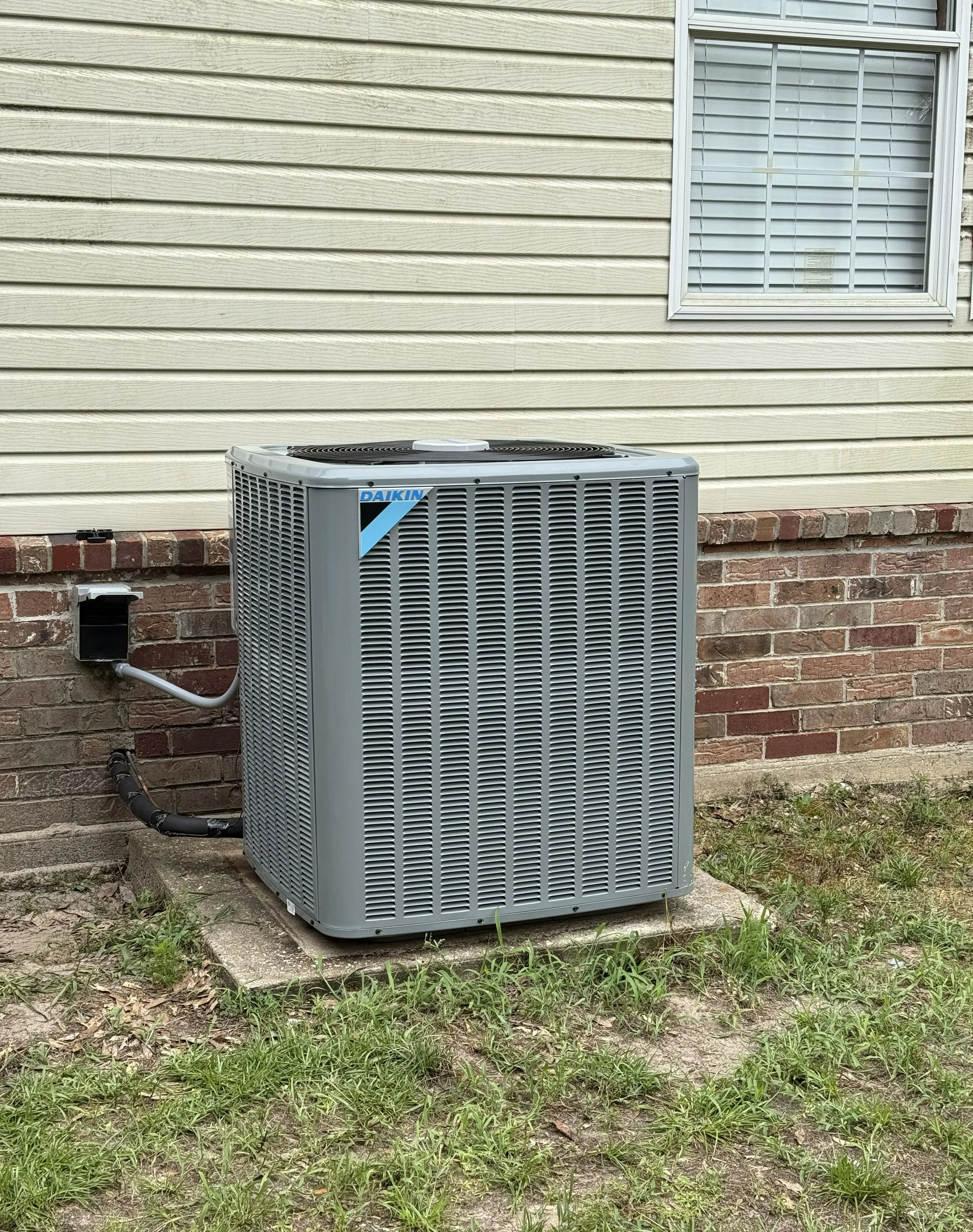
Why consider AC replacement in Conroe, TX
Conroe experiences extended cooling seasons and high humidity. Older or undersized systems run longer, cycle more frequently, and struggle to control humidity, which can lead to higher utility bills, uneven comfort, and potential moisture-related issues in crawlspaces and attics. Replacement is often the best solution when a system no longer meets cooling demand reliably or efficiently.
Common AC problems in Conroe homes
- Frequent breakdowns during peak summer use
- Rising energy bills despite routine service
- Poor humidity control and musty odors
- Uneven temperatures between rooms
- Leaks in the refrigerant system or ductwork
- Use of R-22 refrigerant in older systems (difficult and expensive to service)
These issues often point to a system that will cost more to maintain than it’s worth, particularly in Conroe’s climate where dependable cooling is essential for months each year.
When to replace rather than repair
Consider replacement when one or more of the following apply:
- System age: most central AC units nearer to or past 10–15 years are less efficient and more prone to failures.
- Recurrent repairs: repeated service calls in a single season indicate declining reliability.
- Refrigerant phase-out: units using R-22 refrigerant are increasingly expensive to service due to limited supply.
- Comfort shortfalls: persistent humidity, hot spots, or inability to reach set temperatures.
- Efficiency goals: you want meaningful energy savings or to upgrade to modern controls and zoning.
- Home upgrades: new attic insulation, windows, or additions that change load requirements call for correctly sized equipment.
These criteria help determine whether repair will restore reliable performance or if replacement is a longer-term solution.
Equipment selection and energy efficiency
- SEER ratings: Higher SEER ratings mean better cooling efficiency. Upgrading from a low-SEER unit to a modern high-SEER system can significantly reduce electricity use.
- Variable-speed and two-stage compressors: These technologies improve comfort, reduce cycling, and control humidity more effectively — especially valuable in humid East Texas summers.
- Heat pumps: Efficient for year-round climate control in many parts of Texas, offering both cooling and heating with fewer components.
- Proper sizing and ductwork: Oversized or undersized systems cause short cycling or inability to meet load. Duct sealing and insulation are often necessary to realize full efficiency gains.
Selecting the right combination of efficiency, capacity, and controls is key to lowering operating costs and improving comfort.
Energy savings and performance comparisons
A modern, properly sized system can cut energy use noticeably compared with older units. Exact savings depend on the starting point, system type, and homeowner behavior, but typical benefits include:
- Lower monthly cooling costs due to higher efficiency and better humidity control
- Improved comfort with more even temperatures and reduced cycling
- Extended equipment life when installed and maintained correctly
In Conroe, where cooling is a primary household energy use, efficiency improvements translate to meaningful utility bill reductions and a more comfortable indoor environment.
Rebates, incentives, and compliance
Various federal, state, local utility, and manufacturer incentives may be available for installing high-efficiency equipment or qualifying heat pumps. These programs often require:
- Minimum efficiency thresholds (SEER/HSPF)
- Installation by a licensed HVAC contractor
- Documentation such as receipts, model numbers, and disposal verification for old units
Additionally, all refrigerant handling must comply with environmental regulations. Homeowners should verify eligibility requirements for any program they intend to use.
Disposal practices and environmental considerations
Responsible replacement includes:
- Proper refrigerant recovery to prevent atmospheric release
- Recycling of metal, copper, and other salvageable materials
- Documentation of disposal for rebate or tax incentive eligibility
Older systems, especially those containing phased-out refrigerants, require careful handling to meet federal and state guidelines.
Warranty coverage and long-term protection
Manufacturer warranties vary by component and often include:
- Parts warranty for key components (compressors, coils) with multi-year terms
- Extended compressor or limited lifetime warranties when registered or paired with qualifying maintenance plans
- Labor warranties provided by the installing contractor for a defined period
Keeping records of installation, model numbers, and scheduled maintenance helps ensure warranty claims are straightforward.
Maintenance tips to protect your investment
- Schedule annual tune-ups to maintain efficiency and catch issues early.
- Replace filters regularly and ensure proper airflow.
- Inspect and seal ducts; even small leaks reduce performance significantly.
- Use programmable or smart thermostats and optimize setpoints to reduce run time.
- Ensure attic ventilation and insulation support a lower cooling load in the house.
Replacing an aging system with properly selected, correctly installed equipment pays off in reliability, comfort, and lower seasonal operating costs — especially in Conroe’s hot, humid climate. Proper installation, responsible disposal, and adherence to warranty and rebate requirements will maximize the value of the investment and help your home stay comfortable year-round.
Maintenance Plan You Can Rely On
Basic Care
Perfect for newer systems or budget-conscious homeowners wanting essential protection.
$149/year

Annual comprehensive system inspection
Filter replacement (standard filters included)
15% discount on repairs
Priority scheduling within 48 hours
Premium Protection
Ideal for homes with systems 5+ years old or with moderate usage patterns.
$249/year

Bi-annual system inspections (spring & fall)
Filter replacement (premium filters included)
25% discount on all repairs
Priority scheduling within 24 hours
Free diagnostic fees ($89 value)
Elite Coverage
Best for older systems, luxury homes, or properties with critical climate control needs.
$349/year
Quarterly system inspections
All filters and minor parts included
30% discount on major repairs
Same-day emergency service
Extended 2-year warranty on repairs
Annual system efficiency optimization
Basic Care
Perfect for newer systems or budget-conscious homeowners wanting essential protection.
$149/year
Annual comprehensive system inspection
Filter replacement (standard filters included)
15% discount on repairs
Priority scheduling within 48 hours
Premium Protection
Ideal for homes with systems 5+ years old or with moderate usage patterns.
$249/year
Bi-annual system inspections (spring & fall)
Filter replacement (premium filters included)
25% discount on all repairs
Priority scheduling within 24 hours
Free diagnostic fees ($89 value)
Elite Coverage
Best for older systems, luxury homes, or properties with critical climate control needs.
$349/year
Quarterly system inspections
All filters and minor parts included
30% discount on major repairs
Same-day emergency service
Extended 2-year warranty on repairs
Annual system efficiency optimization
Hear What Our Satisfied Clients Have To Say