
Heating Replacement in Conroe, TX
Discover why it's time to replace your heating system in Conroe. Learn about efficiency, cost savings, and modern options to enhance your home comfort.
Scroll down to discover more

Upgrading your home heating system with Stat Air Care Air Conditioning & Heating is about more than keeping warm during the occasional cold snap in Conroe. It is a smart investment in comfort, energy efficiency, indoor air quality, and long-term operating costs.
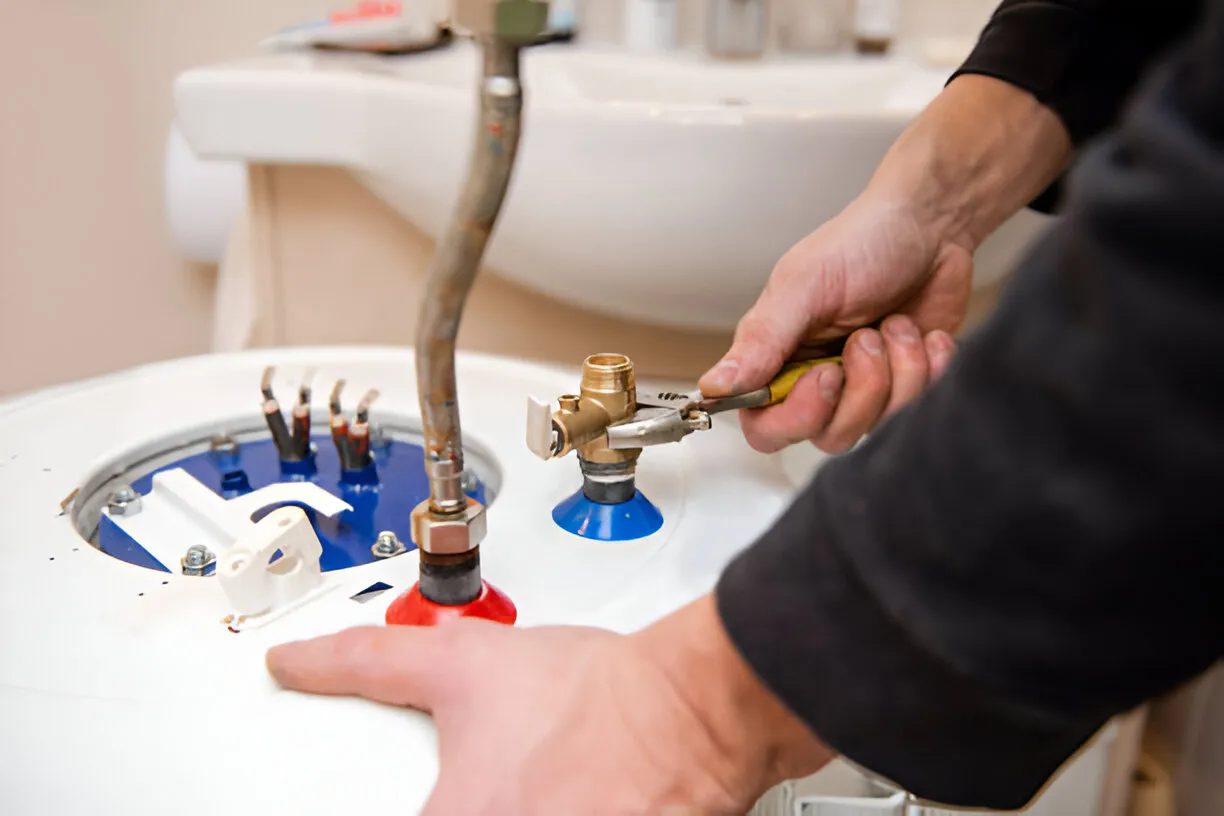
Why replace your heating system now
Conroe winters are generally mild, but sudden cold fronts and even short freezes place stress on older systems. Signs it is time for replacement include:
- Age: Most heat pumps and furnaces operate reliably for about 10 to 15 years before efficiency and reliability drop.
- Rising repair frequency: Repeated breakdowns or costly component failures indicate diminishing returns from repairs.
- High utility bills: Older systems with low AFUE or HSPF ratings use more energy; a modern unit can significantly reduce heating costs.
- Uneven heating or poor comfort: Cold rooms, temperature swings, or excessive noise point to reduced capacity or failing components.
- Safety concerns: Cracked heat exchangers, gas leaks, or unsafe electrical issues require immediate attention and usually replacement.
- Outdated refrigerant or components: Older systems using phased-out refrigerants or obsolete parts become harder and more expensive to maintain.
Common heating replacement scenarios in Conroe, TX
- Replacing an aging heat pump with a new high-efficiency heat pump for both heating and cooling efficiency.
- Switching from a failing electric or gas furnace to a modern heat pump with supplemental heating for milder winters and better year-round efficiency.
- Full system replacements when both the air conditioner and heating equipment are at end of life to maximize efficiency and sizing compatibility.
- Ductwork evaluation and upgrades paired with replacement to fix leaks and improve airflow common in older Conroe homes.
Cost versus benefit — what to consider
Replacement decisions should weigh upfront cost against ongoing benefits:
- Energy savings: Newer systems with higher AFUE (for furnaces) or higher HSPF and SEER (for heat pumps) markedly lower monthly bills, especially when paired with proper duct sealing and insulation.
- Repair avoidance: Eliminating frequent repair costs and emergency calls often justifies replacement within a few years.
- Comfort and humidity control: Modern systems offer better humidity and temperature control, important in Conroe’s humid climate.
- Home value and resale: A new HVAC system is attractive to buyers and can enhance listing value.
- Environmental impact: New units reduce energy consumption and greenhouse gas emissions.
- Incentives and rebates: Local or utility incentives for high-efficiency equipment can improve payback; check current availability before selecting equipment.
Costs depend on system type, unit efficiency, ductwork condition, and installation complexity. A thorough on-site evaluation and load calculation is essential to determine the right capacity and avoid oversizing or undersizing.
High-efficiency options ideal for Conroe homes
- High-efficiency heat pumps: Excellent for year-round comfort in Conroe, providing efficient cooling and heating. Look for higher HSPF and SEER ratings.
- Two-stage or variable-speed compressors: Improve temperature consistency, reduce noise, and enhance dehumidification during hot, humid months.
- Modulating furnaces with high AFUE: If natural gas is preferred, modern furnaces with high AFUE deliver efficient, reliable heat.
- Hybrid systems: Combine heat pump and gas furnace to optimize efficiency across variable outdoor temperatures.
- Smart thermostats and zoning: Enhance comfort and energy savings by matching heating to room usage.
Replacement process, timeline, and expected disruption
A typical heating replacement follows these steps:
- Assessment and sizing: Detailed load calculation, ductwork inspection, and equipment selection.
- Permits and scheduling: Compliance with local codes and scheduling of a convenient installation window.
- Removal of old equipment: Safe disconnect and removal, including reclaiming refrigerant where applicable.
- Installation: Placement of new indoor and outdoor units, duct or refrigerant line modifications, electrical hookups, and thermostat setup.
- Testing and calibration: System startup, leak checks, airflow balancing, and performance verification.
- Final inspection and paperwork: Completion of required permits and provision of warranty documentation.
Timeline: most straightforward replacements take one day; systems that require ductwork modifications, structural access, or permit scheduling may take two to three days. Expect some disruption in service during installation and moderate noise from technicians. Proper planning minimizes inconvenience.
Removal, disposal, and environmental compliance
- Refrigerant handling: Any refrigerant must be recovered by certified technicians to meet environmental regulations.
- Proper disposal: Old units contain metals and components that require responsible recycling or disposal in accordance with local and federal rules.
- Documentation: Disposal and refrigerant recovery are typically documented for permits and warranty purposes.
Post-installation testing and warranty information
After installation, a full performance check should be performed, including temperature rise, airflow, refrigerant pressures, and electrical safety. You should receive:
- Operational demonstration: How to use controls and recommended settings for Conroe climate conditions.
- Maintenance guidance: Recommended filter schedules, seasonal checks, and simple homeowner tasks to extend system life.
- Warranty details: Information on manufacturer warranties for parts and compressors and any installer workmanship warranty. Understand what is covered and the process for claims.
Long-term benefits and maintenance advice
Replacing a heating system yields immediate comfort improvements and long-term savings. To maximize benefits:
- Schedule annual preventive maintenance, ideally before the heating season.
- Replace filters regularly and check condensate drains to prevent blockages.
- Seal and insulate ductwork and attic access points to reduce heat loss.
- Use programmable or smart thermostats to match heating schedules to occupancy patterns.
- Monitor system performance and address minor issues early to avoid major failures.
Q: How long will a new heating system last in Conroe?
A: Lifespan varies by type and maintenance: heat pumps typically last 10 to 15 years, while well-maintained gas furnaces often reach 15 to 20 years.
Q: Should I replace my furnace with a heat pump in Conroe?
A: Many Conroe homeowners benefit from high-efficiency heat pumps because they handle both cooling and heating efficiently in a mild-winter climate. A load calculation and cost versus benefit comparison will determine the best choice for your home.
Q: Will replacement reduce my energy bills?
A: Yes. Modern systems are significantly more efficient than older units, and pairing a new system with duct sealing and a programmed thermostat provides the best reductions in monthly energy costs.
Q: What disruptions should I expect during installation?
A: Expect noise, temporary loss of heating and possibly cooling for a day or two, technicians moving equipment through the home, and minor openings in walls or attic for duct work if needed.
Q: How is the old equipment disposed of?
A: Certified technicians will properly recover refrigerant, recycle metals and components, and dispose of hazardous materials per regulations. You should receive documentation of proper disposal when required.
Q: Do I need permits and inspections in Conroe?
A: Yes. HVAC replacements typically require permits and inspections to ensure compliance with local building and safety codes. Permit handling is a standard part of a professional replacement process.
Maintenance Plan You Can Rely On
Basic Care
Perfect for newer systems or budget-conscious homeowners wanting essential protection.
$149/year

Annual comprehensive system inspection
Filter replacement (standard filters included)
15% discount on repairs
Priority scheduling within 48 hours
Premium Protection
Ideal for homes with systems 5+ years old or with moderate usage patterns.
$249/year

Bi-annual system inspections (spring & fall)
Filter replacement (premium filters included)
25% discount on all repairs
Priority scheduling within 24 hours
Free diagnostic fees ($89 value)
Elite Coverage
Best for older systems, luxury homes, or properties with critical climate control needs.
$349/year
Quarterly system inspections
All filters and minor parts included
30% discount on major repairs
Same-day emergency service
Extended 2-year warranty on repairs
Annual system efficiency optimization
Basic Care
Perfect for newer systems or budget-conscious homeowners wanting essential protection.
$149/year
Annual comprehensive system inspection
Filter replacement (standard filters included)
15% discount on repairs
Priority scheduling within 48 hours
Premium Protection
Ideal for homes with systems 5+ years old or with moderate usage patterns.
$249/year
Bi-annual system inspections (spring & fall)
Filter replacement (premium filters included)
25% discount on all repairs
Priority scheduling within 24 hours
Free diagnostic fees ($89 value)
Elite Coverage
Best for older systems, luxury homes, or properties with critical climate control needs.
$349/year
Quarterly system inspections
All filters and minor parts included
30% discount on major repairs
Same-day emergency service
Extended 2-year warranty on repairs
Annual system efficiency optimization
Hear What Our Satisfied Clients Have To Say