
AC Installation in Conroe, TX
Discover why proper air conditioning installation matters in Conroe, TX. Learn about common issues, energy-efficient systems, and the installation process.
Scroll down to discover more

Air Conditioning Installation in Conroe, TX by Stat Air Care Air Conditioning & Heating
Replacing or installing a new air conditioning system in Conroe, TX with Stat Air Care Air Conditioning & Heating is one of the most impactful investments you can make for indoor comfort, indoor air quality, and monthly energy costs. With long, hot, humid summers and occasional storm-driven humidity spikes, Conroe homes need properly sized, well-installed systems from Stat Air Care Air Conditioning & Heating to keep living spaces comfortable and protect ductwork and building envelope from moisture-related problems.
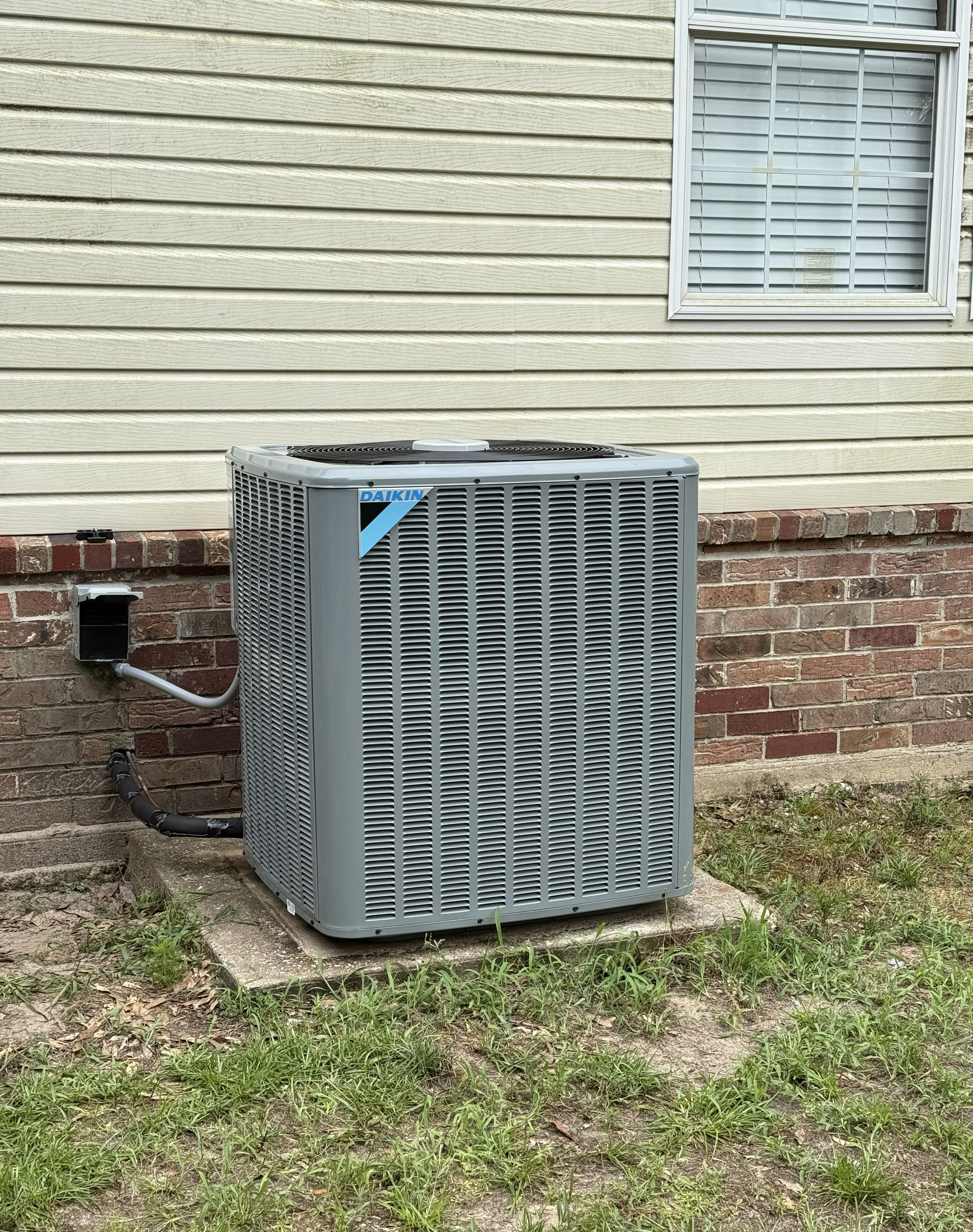
Why a proper installation matters in Conroe, TX
- Conroe climate: extended cooling season, high humidity, and heat that stresses undersized units.
- Moisture control: inadequate cooling or poor airflow can lead to chronic humidity, mold, and reduced comfort.
- Efficiency impact: a correctly sized, high-efficiency unit saves more in Conroe because of heavy seasonal use.Understanding these local factors up front helps ensure you choose the right equipment and installation approach for lasting performance.
Common air conditioning issues in Conroe homes
- Short-cycling or frequent on/off cycles from undersized systems or poor refrigerant charge.
- Inadequate dehumidification when airflow or sizing is not balanced with local humidity levels.
- High energy bills despite a newer unit because of improper ductwork, poor insulation, or incorrect sizing.
- Corrosion on outdoor units after repeated storms or proximity to humid environments.Knowing these common problems helps prioritize what to assess during installation planning.
Initial site assessment and load calculations
A professional installation begins with a thorough site assessment and precise load calculation:
- Home walkthrough: inspect attic insulation, window exposures, existing duct layout, and thermostat locations.
- Manual J load calculation: industry-standard sizing that accounts for orientation, insulation, windows, occupancy, and Conroe-specific heat and humidity loads.
- Duct evaluation: measure duct size, leakage, insulation level, and static pressure to determine if duct upgrades or balancing are needed.Accurate sizing prevents costly mistakes from oversized or undersized units, both of which cause comfort and efficiency issues.
Unit selection: energy-efficient guidance for Conroe
Selecting the right system goes beyond brand. Considerations for Conroe include:
- SEER rating and efficiency: higher SEER models reduce energy use across long cooling months; variable-speed compressors and inverter-driven systems deliver better humidity control.
- Corrosion resistance: choose condensers with coatings or materials suited to humid environments to extend equipment life.
- Dehumidification features: multi-stage or variable-speed systems handle Conroe humidity better than single-stage units.
- Refrigerant type and future-proofing: consider systems using current refrigerants with available service support.A system tailored to Conroe conditions maximizes comfort and long-term savings.
Ductwork, line-set, and mechanical considerations
Proper airflow and refrigerant routing are essential:
- Ductwork repairs or replacement: sealing, insulation, right-sizing, and adding return paths or balancing dampers improve efficiency and comfort.
- Indoor coil and air handler match: the coil must be matched to the outdoor unit to ensure correct refrigerant flow and heat transfer.
- Line-set length and routing: longer runs or complex routing affect charge and performance; installers will plan for correct refrigerant charge and pressure testing.
- Condensate drainage: ensure drain lines and pans are properly sloped and protected against backups in humid conditions.Addressing these elements during installation prevents performance issues that commonly show up in Conroe homes.
Permitting and inspection steps in Conroe
Most new installations require permits and final inspections to meet local building codes:
- Permit submission: installer files mechanical and possibly electrical permits with the City of Conroe or Montgomery County, depending on location and scope.
- Inspection timeline: permits are inspected for safety, proper installation, ductwork, and refrigerant handling; inspectors verify code compliance.
- Documentation: installers provide equipment specifications and permit records as part of the inspection process.Proper permitting protects homeowners, ensures code compliance, and maintains resale value.
Installation timeline and what to expect on installation day
Typical timelines vary by scope, but the general flow is:
- Pre-install scheduling: final equipment selection and permit filing after assessment.
- Equipment lead time: ordering and delivery windows depend on model, typically a few days to a few weeks.
- Installation day(s): a standard split-system replacement often takes 6 to 10 hours; complex installs with duct replacement or multiple zones may take 1 to 3 days.What happens on-site:
- Arrival and safety setup, containment to protect floors and landscaping.
- System shutdown and removal of the old unit if present.
- Installation of the outdoor condenser, indoor coil/air handler, and necessary duct modifications.
- Refrigerant charging, electrical hookups, condensate routing, and thermostat installation.
- Startup, adjustments, and initial testing.Installers should maintain a clean workspace and leave documentation of work performed.
Post-installation testing and commissioning
Thorough testing ensures the system operates as designed:
- Airflow and static pressure measurements to verify duct performance.
- Refrigerant charge verification using superheat and subcooling methods.
- Temperature split checks and thermostat calibration.
- Safety checks for electrical connections, condensate drainage, and refrigerant leak testing.
- Walkthrough explaining system operation, maintenance needs, and warranty coverage.Detailed commissioning is crucial in Conroe to confirm humidity control and long-run efficiency.
Financing and warranty options to consider
When evaluating installations, consider the long-term protections:
- Manufacturer warranties: typically cover major components like the compressor and parts; read warranty duration and registration requirements.
- Labor warranty: installers may offer limited labor warranties for workmanship; confirm terms and what voids coverage.
- Extended warranty plans: optional protections for parts and labor beyond standard periods.
- Financing choices: many homeowners use financing for higher-efficiency systems to balance upfront cost with monthly savings from lower energy bills.Review warranty fine print and registration steps to protect your investment.
Maintenance and long-term benefits
A professional installation paired with routine maintenance yields the best results:
- Scheduled tune-ups: seasonal inspections, coil cleaning, refrigerant checks, and filter replacements keep performance high.
- Improved energy efficiency and comfort: correct sizing and commissioning reduce bills and provide more consistent temperatures and humidity control for Conroe summers.
- Longer equipment life: proper installation and maintenance reduce strain on components and prevent premature failures.
- Health and indoor air quality: consistent humidity control and adequate filtration reduce mold risk and improve indoor comfort.Investing in a quality installation adapted to Conroe conditions delivers reliable, efficient cooling through the hottest months and protects your home over the long term.
Maintenance Plan You Can Rely On
Basic Care
Perfect for newer systems or budget-conscious homeowners wanting essential protection.
$149/year

Annual comprehensive system inspection
Filter replacement (standard filters included)
15% discount on repairs
Priority scheduling within 48 hours
Premium Protection
Ideal for homes with systems 5+ years old or with moderate usage patterns.
$249/year

Bi-annual system inspections (spring & fall)
Filter replacement (premium filters included)
25% discount on all repairs
Priority scheduling within 24 hours
Free diagnostic fees ($89 value)
Elite Coverage
Best for older systems, luxury homes, or properties with critical climate control needs.
$349/year
Quarterly system inspections
All filters and minor parts included
30% discount on major repairs
Same-day emergency service
Extended 2-year warranty on repairs
Annual system efficiency optimization
Basic Care
Perfect for newer systems or budget-conscious homeowners wanting essential protection.
$149/year
Annual comprehensive system inspection
Filter replacement (standard filters included)
15% discount on repairs
Priority scheduling within 48 hours
Premium Protection
Ideal for homes with systems 5+ years old or with moderate usage patterns.
$249/year
Bi-annual system inspections (spring & fall)
Filter replacement (premium filters included)
25% discount on all repairs
Priority scheduling within 24 hours
Free diagnostic fees ($89 value)
Elite Coverage
Best for older systems, luxury homes, or properties with critical climate control needs.
$349/year
Quarterly system inspections
All filters and minor parts included
30% discount on major repairs
Same-day emergency service
Extended 2-year warranty on repairs
Annual system efficiency optimization
Hear What Our Satisfied Clients Have To Say