
Mini Split Repair in Conroe, TX
Professional mini-split repair in Conroe, TX to restore comfort quickly. Fast diagnostics, certified technicians, and repair timelines. Learn more today.
Scroll down to discover more

Mini-split systems are a common choice for Conroe, TX homes because they provide targeted cooling and heating without ductwork. When a mini-split fails, Stat Air Care Air Conditioning & Heating knows it can quickly affect comfort during Conroe summers and humid shoulder seasons.
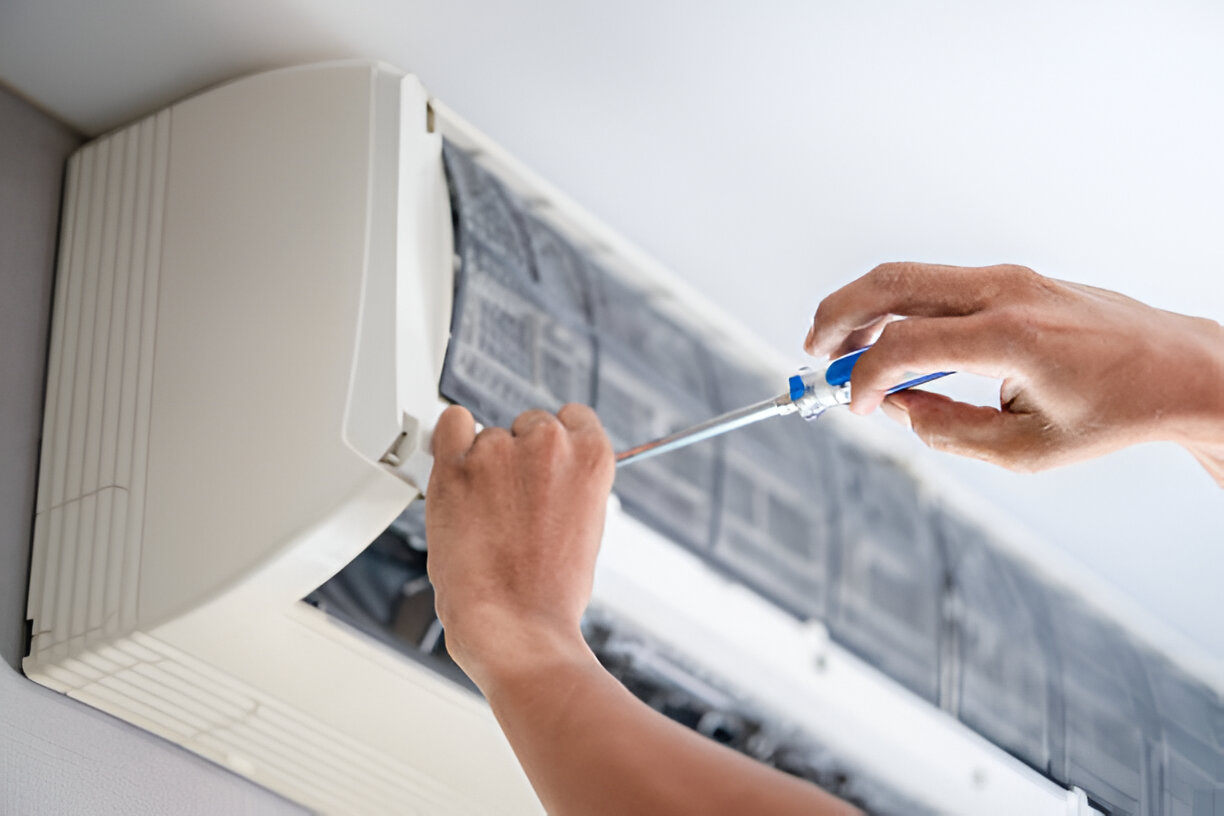
Why timely mini-split repair matters in Conroe
Conroe experiences long, humid summers and frequent summer storms that increase demand on cooling systems and expose equipment to power surges and outdoor debris. Delaying repair can worsen damage, reduce efficiency, increase energy use, and risk indoor comfort problems and moisture-related issues. Prompt, expert service preserves system life and keeps indoor spaces healthy and comfortable.
Common mini-split repair issues in Conroe, TX
- Electrical failures
- Faulty capacitors, burned control boards, blown fuses, loose connections, and surge damage after thunderstorms. Symptoms include units that refuse to start, frequent short cycling, or visible error codes.
- Refrigerant leaks
- Low cooling capacity, icing on the indoor coil, and longer run times often point to leaks. Leaks can originate at brazed joints, vibration points, or corroded lines, and must be located and repaired by a certified technician.
- Compressor problems
- A failing compressor shows as reduced or no cooling and unusual compressor noise. Compressor repairs are complex and sometimes require replacement, evacuation, and recharge procedures.
- Airflow and fan issues
- Indoor blower motors or outdoor condenser fans can fail or slow down from debris, age, or motor faults. Reduced airflow causes poor comfort and can lead to coil freezing.
- Condensate and drainage problems
- Clogged drain lines or full condensate pans cause leaks and water stains on walls or ceilings near wall-mounted units.
- Controls, sensors, and communication faults
- Remote control failures, thermostat calibration errors, or communication problems between indoor and outdoor units can cause erratic operation.
- Filter and coil contamination
- Heavy pollen and humidity in the region can clog filters and indoor coils, reducing efficiency and indoor air quality.
How professional diagnosis and repair are performed
- Safety first: technicians isolate power and assess any immediate hazards such as burning smells or leaking refrigerant.
- Visual inspection: check indoor and outdoor units, wiring, drainage, and mounting.
- Electrical testing: measure voltages, capacitor condition, and control signals.
- Refrigerant testing: pressure checks, leak detection using electronic sniffers or UV dye, and assessment of required recovery and recharge.
- Component testing: evaluate fans, motors, expansion devices, and compressors to determine repairability.
- Repair plan: technicians explain findings and recommend repair steps, required parts, and expected timeline for parts ordering and completion.
- Verification: after repairs technicians test-run the system through multiple cycles to confirm proper operation, refrigerant charge, and airflow.
Licensed HVAC technicians with proper EPA certification handle refrigerant repairs. In Conroe, local weather and humidity patterns influence diagnostics and recommended settings for optimal performance.
Emergency response and scheduling
Certain faults require urgent attention:
- Complete loss of cooling during extreme heat.
- Strong burning or electrical smell.
- Significant refrigerant leaks or visible oil staining.Emergency protocols typically include triage to stabilize the system, safe shutdown if necessary, temporary measures to restore operation, and prioritized scheduling for full repair. Seasonal demand spikes in Conroe can extend wait times, so technicians often balance immediate safety fixes with full repairs.
Parts replacement and warranty-covered repairs
Common parts replaced include compressors, control boards, fan motors, capacitors, expansion valves, accumulator/driers, sensors, and filters. Many manufacturers provide parts or compressor warranties; warranty coverage often depends on registration, proof of regular maintenance, and authorized installation procedures. Warranty repairs sometimes require OEM parts and an authorized technician to preserve coverage. Labor warranties are typically separate from manufacturer parts warranties, so confirm scope before repair work begins.
Typical repair timelines and factors that affect duration
- Initial diagnosis often takes less than a few hours, depending on access and complexity.
- Minor repairs (electrical component replacement, fan motor swap, filter and coil cleaning) are frequently completed same-day.
- Refrigerant leak detection and repair can require multiple visits for leak repair, evacuation, and recharge, extending the timeline.
- Major component replacements such as compressors may require parts ordering and extended downtime while a certified technician completes evacuation, replacement, and system recharge.Factors affecting timelines include parts availability, severity of damage, accessibility of wall-mounted indoor heads and outdoor condensers, and seasonal workload.
Repair versus replacement: clear guidance for Conroe homeowners
Consider repair when:
- The unit is relatively new and has had no recurring failures.
- A single component has failed and replacement will restore reliable operation.
- Repair keeps the unit efficient and cost-effective relative to its remaining lifespan.
Consider replacement when:
- The mini-split is near or beyond its expected service life and repairs are frequent.
- The repair required is a major component failure such as a seized compressor combined with other aging issues.
- The system uses outdated refrigerants no longer widely supported, or efficiency is substantially lower than modern units.
- You want higher efficiency, better humidity control for Conroe’s humid climate, or a capacity change for better comfort.
A practical decision checklist:
- Age of system and previous repair history
- Estimated remaining life after repair
- Impact on energy bills and comfort
- Availability and cost of replacement parts
- Compatibility with current refrigerant regulations and efficiency goals
Maintenance tips to avoid future repairs
- Clean or replace washable filters regularly; check more often during peak pollen season.
- Keep outdoor units clear of debris, foliage, and mulch to allow airflow.
- Schedule annual or biannual tune-ups, ideally before peak cooling season.
- Inspect condensate lines and pans for clogs and algae growth.
- Consider surge protection for units to minimize storm-related electrical damage.Regular maintenance preserves efficiency, prevents emergency failures during Conroe heat waves, and helps maintain any warranty requirements.
FAQ
Q: How long does a typical mini-split diagnostic visit take?
A: Most diagnostic visits are completed within a few hours depending on access and complexity, with a clear repair plan provided afterward.
Q: Can my mini-split be recharged if it has a refrigerant leak?
A: Technicians first locate and repair the leak, then evacuate and recharge the system. Recharging without fixing the leak is only a temporary measure.
Q: Are compressor replacements common for mini-splits?
A: Compressor failures occur but are less common than electrical or refrigerant issues. Replacing a compressor is more involved and sometimes factors into the replacement decision.
Q: Will warranty cover parts and labor for repairs?
A: Manufacturer warranties often cover specific parts like compressors, but coverage varies and may require proof of maintenance and authorized installation. Labor warranties are usually separate.
Q: How quickly should I call for service if my unit stops cooling during a Conroe heatwave?
A: Loss of cooling during extreme heat should be addressed promptly to avoid prolonged discomfort and secondary problems; technicians typically triage such calls for priority response.
Q: What routine maintenance helps avoid most mini-split repairs?A: Regular filter cleaning, annual professional tune-ups, clearing outdoor unit obstructions, and checking condensate drains significantly reduce the chance of unexpected failures.
Maintenance Plan You Can Rely On
Basic Care
Perfect for newer systems or budget-conscious homeowners wanting essential protection.
$149/year

Annual comprehensive system inspection
Filter replacement (standard filters included)
15% discount on repairs
Priority scheduling within 48 hours
Premium Protection
Ideal for homes with systems 5+ years old or with moderate usage patterns.
$249/year

Bi-annual system inspections (spring & fall)
Filter replacement (premium filters included)
25% discount on all repairs
Priority scheduling within 24 hours
Free diagnostic fees ($89 value)
Elite Coverage
Best for older systems, luxury homes, or properties with critical climate control needs.
$349/year
Quarterly system inspections
All filters and minor parts included
30% discount on major repairs
Same-day emergency service
Extended 2-year warranty on repairs
Annual system efficiency optimization
Basic Care
Perfect for newer systems or budget-conscious homeowners wanting essential protection.
$149/year
Annual comprehensive system inspection
Filter replacement (standard filters included)
15% discount on repairs
Priority scheduling within 48 hours
Premium Protection
Ideal for homes with systems 5+ years old or with moderate usage patterns.
$249/year
Bi-annual system inspections (spring & fall)
Filter replacement (premium filters included)
25% discount on all repairs
Priority scheduling within 24 hours
Free diagnostic fees ($89 value)
Elite Coverage
Best for older systems, luxury homes, or properties with critical climate control needs.
$349/year
Quarterly system inspections
All filters and minor parts included
30% discount on major repairs
Same-day emergency service
Extended 2-year warranty on repairs
Annual system efficiency optimization
Hear What Our Satisfied Clients Have To Say