
Heating Tune-up in Conroe, TX
Heating tune-up service in Conroe, TX ensures safe, efficient operation. Schedule a professional tune-up today for reliability and energy savings.
Scroll down to discover more

A seasonal heating tune-up from Stat Air Care Air Conditioning & Heating is the single most effective step Conroe homeowners can take to avoid unexpected breakdowns, reduce energy costs, and keep family members safe during cooler months. Even though Winters in Conroe are milder than northern climates, sudden cold snaps, high humidity, and heavy pollen season place unique stresses on heating systems. A professional heating tune-up checks the components that matter most — filters, burners, heat exchangers, thermostats, safety controls, and carbon monoxide protection — so your system runs reliably and efficiently when you need it.
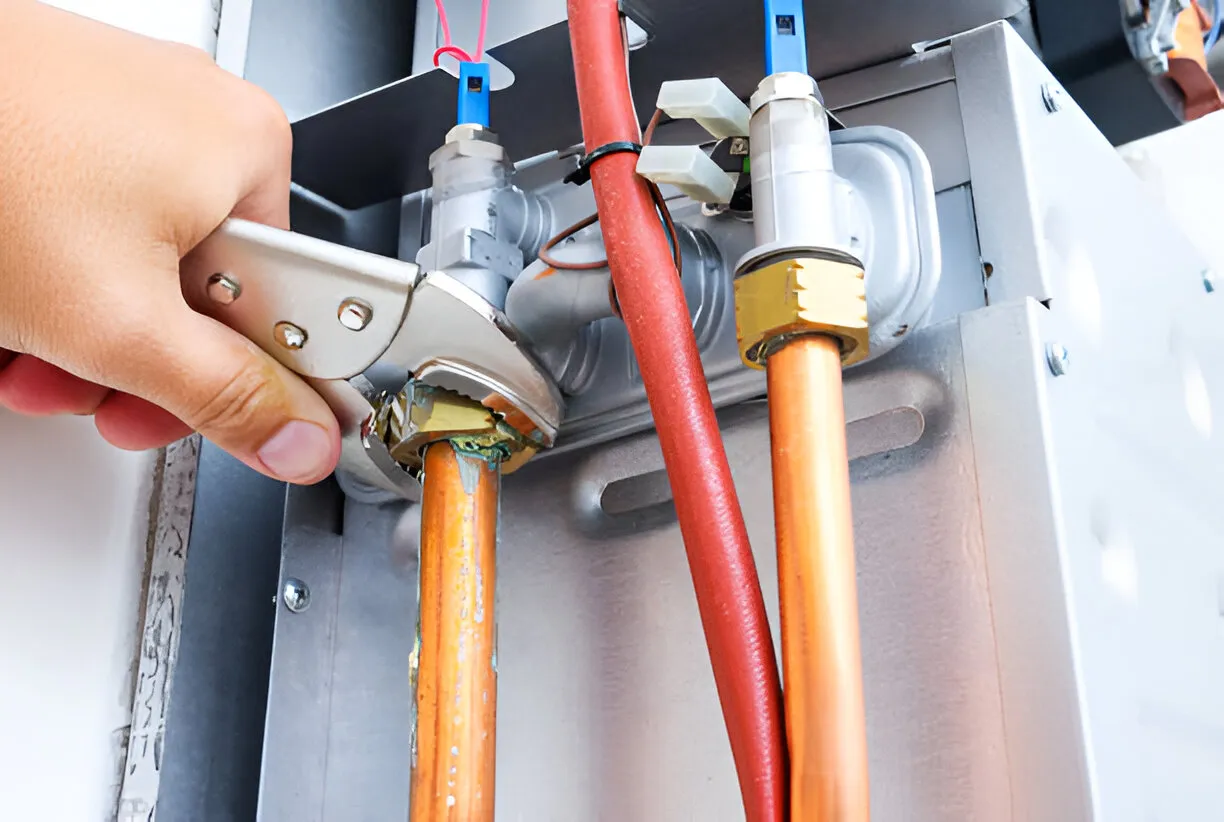
Common heating problems in Conroe, TX homes
- Clogged air filters and reduced airflow. Piney woods pollen and household dust build up quickly and restrict airflow, causing poor comfort and higher energy use.
- Incomplete combustion or dirty burners. Yellow or irregular flames reduce efficiency and can cause soot buildup.
- Cracked heat exchanger. Temperature swings and age can lead to corrosion or cracks that create safety risks.
- Thermostat drift or miscalibration. Incorrect temperature readings lead to inconsistent comfort and unnecessary runtime.
- Frequent short cycling. Worn components or improper airflow cause the system to turn on and off too often, increasing wear.
- Heat pump winter performance issues. Heat pumps that also handle cooling need seasonal calibration for efficient heating during cool spells.
What a comprehensive heating tune-up includes
A professional tune-up follows a systematic checklist to optimize performance, safety, and longevity. Typical items include:
- Filter inspection and replacement or recommendation. Verify filter size and MERV level for your needs and indoor air quality.
- Burner and combustion inspection. Clean and adjust burners for complete combustion and correct flame pattern.
- Heat exchanger inspection. Visually and mechanically check for cracks, corrosion, and proper sealing.
- Ignition and flame sensor testing. Ensure the system lights reliably and shuts off safely if a flame is not detected.
- Thermostat calibration. Confirm the thermostat accurately reflects indoor temperature and communicates properly with the system.
- Safety control checks. Test limit switches, pressure switches, rollouts, and other safety devices.
- Carbon monoxide test. Measure CO levels at the furnace and in return ducts when applicable to ensure safe combustion products.
- Venting and flue inspection. Check for obstructions, leaks, or improper slope that could lead to backdrafting.
- Blower, motor, and fan inspection. Clean blades, check belt condition, and lubricate bearings as required.
- Electrical and control checks. Tighten connections, test capacitors, relays, and control boards for stable operation.
- Airflow assessment and basic duct check. Measure temperature rise and note obvious duct leaks or blockages impacting efficiency.
- Efficiency optimization. Fine tune system settings, adjust gas pressure or refrigerant charge for heat pumps, and recommend seal or insulation improvements when relevant.
Furnace versus heat pump tune-up notes
- Furnaces: Emphasis on combustion safety, burner cleaning, and heat exchanger integrity.
- Heat pumps: Include refrigerant level checks, reversing valve operation, and both heating and cooling performance assessments. In Conroe, where systems often handle both functions seasonally, a dual check maximizes year-round efficiency.
Diagnostic process and reporting
A professional tune-up typically begins with system history and symptom review, followed by a walkthrough inspection and live diagnostics. Technicians document measured values such as combustion efficiency, temperature rise, airflow, and CO levels. Any safety concerns or immediate repair needs are flagged and explained in plain language, along with recommended next steps to restore or maintain reliable operation. Most tune-ups take between 45 minutes and 2 hours depending on system complexity and findings.
Benefits of regular heating tune-ups
- Improved reliability. Prevent most emergency breakdowns that occur during the first cold snap.
- Better energy efficiency. Clean and calibrated systems use less fuel or electricity, lowering utility bills.
- Extended equipment life. Routine maintenance reduces wear on motors, bearings, and control components.
- Safer operation. CO testing and safety control verification reduce the risk of hazardous combustion byproducts.
- Warranty compliance. Many manufacturers require annual maintenance to keep warranties valid.
- Consistent comfort. Proper airflow and thermostat calibration deliver steadier indoor temperatures.
Recommended schedule for Conroe homeowners
- Furnaces: Annual tune-up in early fall before heavy heating days begin. This ensures any post-summer problems are addressed before use.
- Heat pumps and dual systems: Twice yearly is ideal for systems that provide both heating and cooling. Schedule one visit in spring and one in fall to prepare for seasonal mode changes.
- Older systems: If your unit is 10 years or older, consider more frequent inspections. Aging equipment is more likely to develop issues that a simple tune-up can catch early.
- After storms or flooding: If your outdoor unit or basement furnace area was exposed to water or debris, schedule an inspection to check electrical and component integrity.
Practical maintenance tips for Conroe homes
- Replace or clean filters every 1 to 3 months based on usage and indoor air quality needs.
- Keep outdoor heat pump units clear of leaves, yard debris, and grass clippings that can build up quickly in Conroe’s climate.
- Ensure vents and registers are not blocked by furniture or drapes to maintain proper airflow.
- If you notice increased carbon monoxide detector activity, soot, yellow burner flame, or unexplained symptoms like headaches or dizziness, treat them as urgent safety signals.
- Use a programmable or smart thermostat to reduce runtime during unoccupied hours without sacrificing comfort.
Q: How often should I schedule a heating tune-up in Conroe, TX?
A: Furnaces should be serviced annually in early fall. Heat pumps that handle both heating and cooling benefit from two tune-ups per year, one in spring and one in fall.
Q: How long does a typical tune-up take?
A: Most tune-ups take 45 minutes to 2 hours depending on system type and whether additional repairs are needed.
Q: Will a tune-up prevent all breakdowns?
A: A tune-up significantly reduces the risk of common failures by catching wear and safety issues early, but it cannot eliminate every possible mechanical failure, especially in older systems.
Q: Is carbon monoxide testing necessary even for natural gas systems that seem fine?
A: Yes. CO testing is an essential safety check because even small cracks in a heat exchanger or improper venting can allow CO into living spaces without obvious signs.
Q: My system is new. Do I still need a tune-up?
A: Yes. New systems still require initial adjustments, verification of correct installation, and periodic maintenance to maintain warranty compliance and peak performance.
Maintenance Plan You Can Rely On
Basic Care
Perfect for newer systems or budget-conscious homeowners wanting essential protection.
$149/year

Annual comprehensive system inspection
Filter replacement (standard filters included)
15% discount on repairs
Priority scheduling within 48 hours
Premium Protection
Ideal for homes with systems 5+ years old or with moderate usage patterns.
$249/year

Bi-annual system inspections (spring & fall)
Filter replacement (premium filters included)
25% discount on all repairs
Priority scheduling within 24 hours
Free diagnostic fees ($89 value)
Elite Coverage
Best for older systems, luxury homes, or properties with critical climate control needs.
$349/year
Quarterly system inspections
All filters and minor parts included
30% discount on major repairs
Same-day emergency service
Extended 2-year warranty on repairs
Annual system efficiency optimization
Basic Care
Perfect for newer systems or budget-conscious homeowners wanting essential protection.
$149/year
Annual comprehensive system inspection
Filter replacement (standard filters included)
15% discount on repairs
Priority scheduling within 48 hours
Premium Protection
Ideal for homes with systems 5+ years old or with moderate usage patterns.
$249/year
Bi-annual system inspections (spring & fall)
Filter replacement (premium filters included)
25% discount on all repairs
Priority scheduling within 24 hours
Free diagnostic fees ($89 value)
Elite Coverage
Best for older systems, luxury homes, or properties with critical climate control needs.
$349/year
Quarterly system inspections
All filters and minor parts included
30% discount on major repairs
Same-day emergency service
Extended 2-year warranty on repairs
Annual system efficiency optimization
Hear What Our Satisfied Clients Have To Say