
Heating Installation in Conroe, TX
Heating installation in Conroe, TX: professional sizing, load calculations, and complete installation for efficient comfort. Learn more
Scroll down to discover more

An efficient, correctly sized heating system keeps your Conroe home comfortable during cool nights and occasional winter cold snaps while minimizing energy waste. Whether you are replacing a failing furnace, upgrading to a heat pump, or installing a new system in a remodeled space, professional heating installation in Conroe, TX by Stat Air Care Air Conditioning & Heating ensures reliable performance, code compliance, and long term savings.
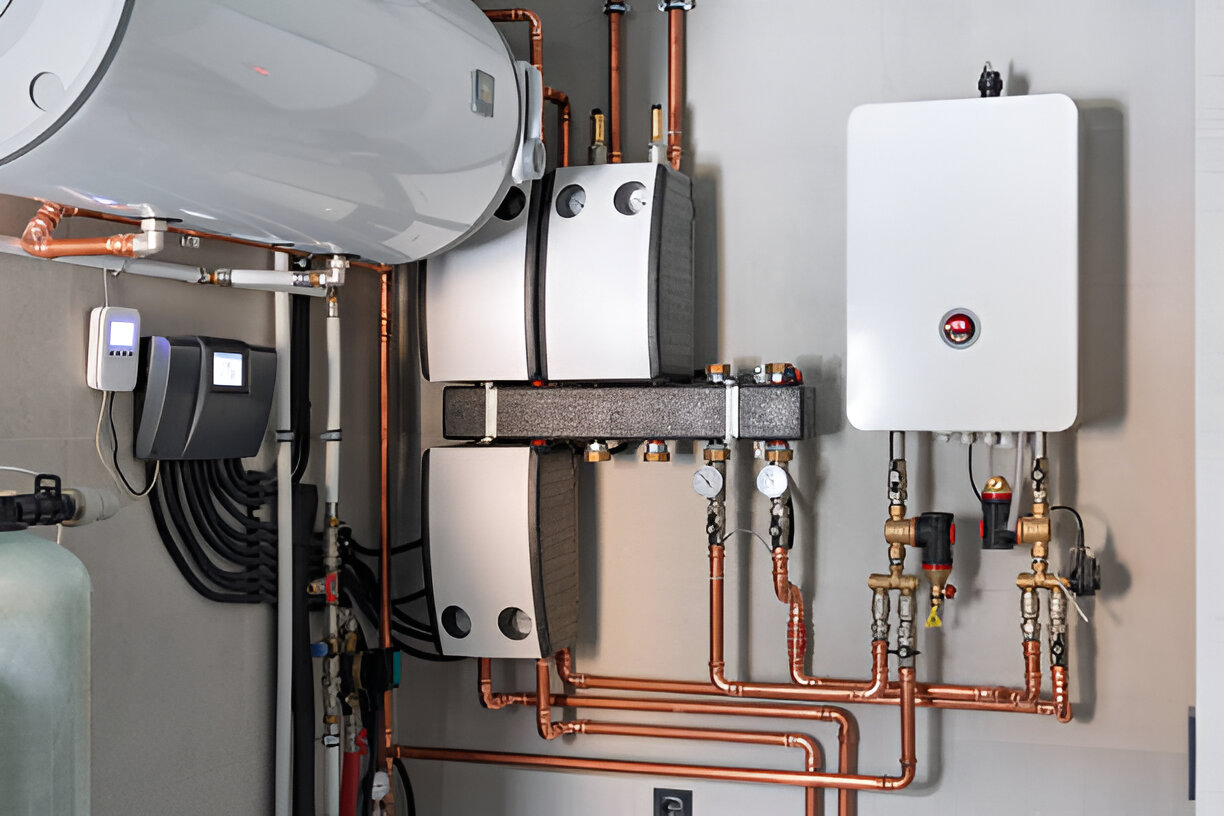
Why a professional installation matters in Conroe homes
Conroe experiences humid subtropical weather with mild winters and a few freezing events each year. That climate makes heating demand lower than colder regions but emphasizes the value of efficiency and proper humidity control. Improper sizing or poor ductwork can cause cycling, uneven rooms, higher bills, and moisture issues. A professional install protects equipment life, improves indoor comfort, and avoids costly callbacks.
Common heating system types and common reasons for replacement
- Gas furnaces - common for reliable rapid heat. Replacement often due to age, heat exchanger failure, or poor efficiency.
- Heat pumps - efficient year round and increasingly popular in the region. Replaced when capacity drops or refrigerant systems fail.
- Electric furnaces and resistance heaters - used in homes without gas; often replaced for efficiency upgrades.
- Ductless mini splits - ideal for additions or zoning without ductwork.Common reasons to install a new system include frequent breakdowns, rising energy bills, inadequate capacity, or a desire for better humidity and air filtration.
Initial consultation and load calculation
A thorough installation begins with an on site consultation and a professional load calculation. Steps include:
- On site survey of the home layout, insulation, windows, orientation, and existing ductwork.
- Manual J load calculation to determine exact heating and cooling requirements based on square footage, construction type, and occupant patterns.
- Manual D duct analysis if ducts are present to ensure airflow is balanced and ducts are sized properly.
- Discussion of fuel options, preferred efficiency levels, and any zoning or air quality priorities.
Correct sizing is critical. Oversized equipment cycles more frequently, increasing wear and reducing dehumidification. Undersized equipment cannot maintain comfort during colder conditions.
Equipment selection - efficiency and sizing
Choose equipment that matches the calculated load and the lifestyle of your household. Consider:
- Furnaces: AFUE rating indicates efficiency. Higher AFUE yields lower fuel use.
- Heat pumps: look at HSPF for heating efficiency and SEER for cooling efficiency. Modern cold-climate heat pump models perform well in mild Texas winters.
- Variable speed blowers and modulating burners: improve comfort and save energy through more consistent output.
- Ductless systems: size each indoor unit to the specific room for precise zoning.
- Thermostats and controls: programmable and smart thermostats improve scheduling and reduce waste.
Long term value depends on initial cost, expected energy savings, warranty coverage, and local fuel prices. Equipment selection should balance efficiency and realistic payback for Conroe homeowners.
Typical installation steps
A professional installation usually follows a clear sequence:
- Preparation: site protection, safety checks, and disconnecting the old equipment.
- Removal: safe removal and disposal of the old system including refrigerant recovery if applicable.
- Mechanical installation: set and secure the new furnace or outdoor unit, connect gas or electrical supply, and run refrigerant lines or duct transitions.
- Ductwork and sealing: repair or resize ducts, seal joints, and add insulation where needed to improve efficiency.
- Electrical and controls: install the thermostat, safety switches, and required wiring.
- Commissioning: charge refrigerant (for heat pumps), test gas and electrical connections, verify airflow, and measure operating temperatures.
- Safety testing: carbon monoxide testing for combustion systems, pressure checks, and final inspection prep.
A final walkthrough explains operation, filter access, and warranty registration.
Permitting and code compliance
Local permitting and inspections protect safety and ensure system performance. Installations typically require:
- Building permits and final inspections through City of Conroe or Montgomery County depending on location.
- Compliance with mechanical, gas, and electrical codes.
- Refrigerant handling by certified technicians.
- Proper venting and combustion air for gas systems, and carbon monoxide safety checks.
Following code not only keeps occupants safe but is often required for warranty validity.
Warranty, commissioning and post-install verification
Manufacturer warranties cover parts for specified periods and many installations include separate labor warranties. Commissioning confirms the system meets the intended design performance. Typical verification includes airflow measurements, temperature differentials, thermostat calibration, and documentation for warranty registration. Keep warranty paperwork and maintenance recommendations for future service needs.
Financing and energy savings tips for Conroe homeowners
Financing options - including home improvement loans and payment plans - can spread the cost of higher efficiency equipment. In addition, check for available utility rebates and federal or state incentives that may apply to efficient heat pumps or high AFUE furnaces. For energy savings after install:
- Use a programmable or smart thermostat to reduce runtime when you are away.
- Seal and insulate ducts, attics, and access points to reduce heat loss.
- Replace filters regularly and follow an annual maintenance schedule.
- Consider zoning or variable speed equipment to condition occupied spaces more efficiently.
- Maintain attic and wall insulation to reduce the heating load.
These steps reduce operating costs and extend system life in Conroe’s climate.
Benefits of timely installation and ongoing maintenance
A properly installed, correctly sized heating system provides consistent comfort, better humidity control, lower monthly energy costs, and fewer emergency repairs. Professional installation also ensures code compliance, safe operation, and full warranty protection. Combined with routine maintenance, a new heating system will deliver reliable performance for many years.
Q: How long does a typical heating installation take?
A: Most residential heating installations are completed in one to two days depending on system complexity, ductwork changes, and permit scheduling.
Q: Will a heat pump work well in Conroe winters?
A: Yes. Modern heat pumps perform efficiently in Conroe’s mild winters and also provide effective cooling in summer, often yielding overall energy savings compared to older systems.
Q: How is correct system size determined?
A: Correct sizing is determined by a Manual J load calculation that accounts for your home size, construction, insulation, window areas, occupancy, and local climate factors.
Q: Do I need a permit for a heating installation in Conroe?
A: Yes. Heating installations generally require permits and inspections to ensure compliance with local building and mechanical codes in Conroe and Montgomery County.
Q: What maintenance keeps a new system efficient?
A: Annual tune ups, regular filter changes, periodic duct inspections and sealing, and timely repairs when needed keep a system running efficiently and preserve warranty coverage.
Maintenance Plan You Can Rely On
Basic Care
Perfect for newer systems or budget-conscious homeowners wanting essential protection.
$149/year

Annual comprehensive system inspection
Filter replacement (standard filters included)
15% discount on repairs
Priority scheduling within 48 hours
Premium Protection
Ideal for homes with systems 5+ years old or with moderate usage patterns.
$249/year

Bi-annual system inspections (spring & fall)
Filter replacement (premium filters included)
25% discount on all repairs
Priority scheduling within 24 hours
Free diagnostic fees ($89 value)
Elite Coverage
Best for older systems, luxury homes, or properties with critical climate control needs.
$349/year
Quarterly system inspections
All filters and minor parts included
30% discount on major repairs
Same-day emergency service
Extended 2-year warranty on repairs
Annual system efficiency optimization
Basic Care
Perfect for newer systems or budget-conscious homeowners wanting essential protection.
$149/year
Annual comprehensive system inspection
Filter replacement (standard filters included)
15% discount on repairs
Priority scheduling within 48 hours
Premium Protection
Ideal for homes with systems 5+ years old or with moderate usage patterns.
$249/year
Bi-annual system inspections (spring & fall)
Filter replacement (premium filters included)
25% discount on all repairs
Priority scheduling within 24 hours
Free diagnostic fees ($89 value)
Elite Coverage
Best for older systems, luxury homes, or properties with critical climate control needs.
$349/year
Quarterly system inspections
All filters and minor parts included
30% discount on major repairs
Same-day emergency service
Extended 2-year warranty on repairs
Annual system efficiency optimization
Hear What Our Satisfied Clients Have To Say