
Heating Inspection in Conroe, TX
Get a comprehensive heating inspection in Conroe, TX to ensure safety, efficiency, and reliability. Schedule your service today for peace of mind.
Scroll down to discover more

A thorough heating inspection from Stat Air Care Air Conditioning & Heating is an essential step to keep your Conroe home safe, comfortable, and energy efficient. Even though winters in Conroe are milder than farther north, periodic cold snaps make reliable heating critical. Professional heating inspections focus on safety, performance, and longevity of your system, whether you have a heat pump, gas furnace, or hybrid setup.
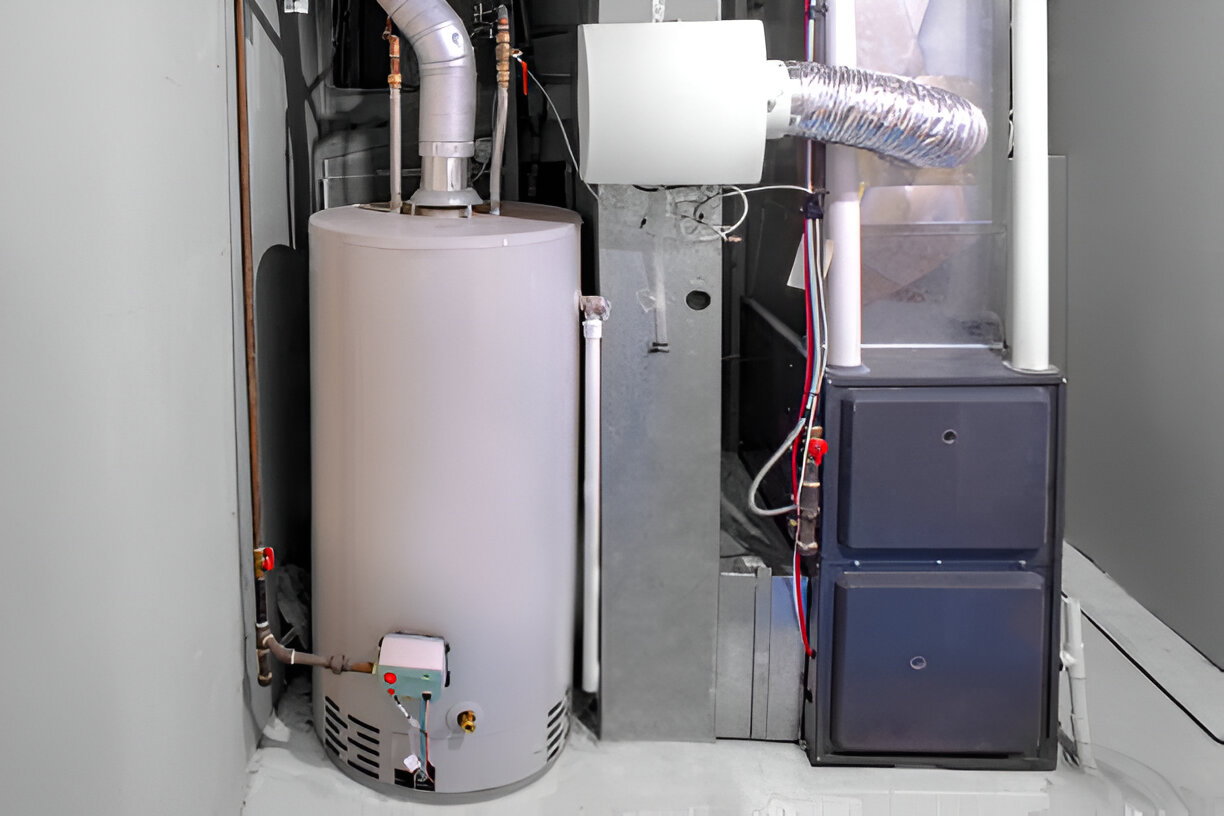
Why a heating inspection matters in Conroe, TX
- Safety: Gas furnaces and malfunctioning combustion appliances can produce carbon monoxide. Inspections check for leaks, ventilation problems, and unsafe conditions.
- Efficiency: Heat pumps and furnaces run most efficiently when tuned and adjusted. Inspections identify issues that drive up energy bills.
- Reliability: Pre-season checks reduce the risk of breakdowns during cold snaps and help extend equipment life.
- Real estate needs: Home buyers and sellers in Conroe rely on inspection reports for transaction clarity and negotiation.
Common heating systems in Conroe and typical problems
- Heat pumps: Widely used in the region for combined heating and cooling. Common issues include low refrigerant, faulty reversing valves, worn compressors, and defrost cycle problems.
- Gas furnaces: Common in older or larger homes. Look for cracked heat exchangers, dirty burners, malfunctioning ignition or flame sensors, and venting issues.
- Electric furnaces and resistance heaters: Problems typically involve heating elements, contactors, and electrical connections.
- Hybrid systems: Combine heat pumps with gas furnaces; inspections must validate seamless control and proper switching between modes.
What a professional heating inspection includes
Safety inspection
- Visual check of heat exchanger for cracks and corrosion
- Combustion analysis and carbon monoxide testing where applicable
- Confirmation of proper venting and flue integrity
- Testing of safety controls, limit switches, and emergency shutoffs
Efficiency assessment
- Measurement of supply and return temperatures and airflow
- Evaluation of system cycling behavior, compressor amperage, and burner operation
- Refrigerant level check for heat pumps and leak detection
- Inspection of ductwork for leaks, disconnections, and insulation gaps
Diagnostic testing
- Electrical testing of capacitors, motors, and control circuits
- Thermostat calibration and controls check
- Pressure, temperature, and static tests as needed
- Combustion efficiency and CO readings for fossil fuel systems
Documentation and recommendations
- Detailed written report outlining findings, photos of any concerns, and priority-level recommendations
- Recommended repairs, replacement part options, and suggested upgrades for efficiency or safety
- Suggested timeline for action based on safety risk and system age
Typical inspection process (what to expect)
- Pre-inspection review of service history and homeowner observations.
- Visual and operational checks with the system running.
- Targeted diagnostic testing (electrical, combustion, refrigerant).
- Duct and vent inspection from accessible points.
- Compile findings into a clear report with safety-critical items flagged.
- Provide prioritized recommendations for repairs, maintenance, or replacement.
Common heating inspection findings in Conroe homes
- Low refrigerant charge in heat pumps causing reduced heating capacity
- Dirty coils or filters leading to poor airflow and freeze-ups
- Corroded burners, cracked heat exchanger, or yellow pilot light in gas furnaces
- Duct leaks and poor insulation increasing heat loss in older Conroe homes
- Thermostat miscalibration or poor zoning causing uneven temperatures
- Electrical wear on motors and capacitors, especially in systems over 10 years old
Recommendations after inspection
- Immediate safety repairs: Any carbon monoxide risk, cracked heat exchangers, or venting problems should be addressed first.
- Efficiency repairs: Tighten ductwork, replace filters, clean coils, and correct refrigerant levels to restore performance.
- Upgrades: Consider programmable thermostats, air filtration improvements, or higher-efficiency equipment if your system is aging or frequently repaired.
- Preventive maintenance: Schedule annual heating inspections before the heating season and routine filter changes to avoid common failures.
Pre-season inspection timing for Conroe
In Conroe, plan for a heating inspection in early fall, ideally September or October. That timing ensures your system is ready before the first cold snap and gives time to address any parts availability issues. For heat pumps used year-round, an annual check is still important to validate both heating and cooling performance.
Benefits of a documented inspection report
- Clear proof of system condition for real estate transactions
- Prioritized action items showing safety risks and efficiency opportunities
- Historical record to support warranty claims and future maintenance planning
- Peace of mind that your home heating is safe and operating efficiently
Practical homeowner maintenance tips between inspections
- Replace or clean filters every 1 to 3 months depending on use
- Keep outdoor units clear of debris and vegetation, especially during pollen season
- Maintain a 12 inch clearance around thermostats and vents for accurate sensing
- Check for unusual odors, noises, or fluctuations in heating and report them promptly
- Insulate accessible ducts in attics and crawlspaces to reduce heat loss common in older Conroe homes
Q: How often should I have a heating inspection in Conroe, TX?
A: Annual inspections are recommended for most systems. Heat pumps and furnaces benefit from a pre-season check each fall. Homes with high use or older systems may need more frequent attention.
Q: Will the inspection tell me if I need a new system?
A: The inspection report will outline the system condition, estimated remaining life, and whether repairs or a replacement would be more cost effective. Recommendations will be prioritized based on safety and efficiency.
Q: Can a heating inspection detect carbon monoxide risks?
A: Yes. Inspections include combustion analysis and carbon monoxide testing for fossil fuel systems. Any unsafe readings are identified and prioritized for repair.
Q: What should I have ready for the inspector?
A: Provide notes about unusual system behavior, recent repairs, and access to the equipment and attic or crawlspace where ductwork and vents are located.
Q: Are heat pumps handled differently than gas furnaces?
A: Yes. Heat pump inspections include refrigerant checks, reversing valve and defrost cycle evaluation, while gas furnace inspections focus on combustion, burners, and heat exchanger integrity.
Maintenance Plan You Can Rely On
Basic Care
Perfect for newer systems or budget-conscious homeowners wanting essential protection.
$149/year

Annual comprehensive system inspection
Filter replacement (standard filters included)
15% discount on repairs
Priority scheduling within 48 hours
Premium Protection
Ideal for homes with systems 5+ years old or with moderate usage patterns.
$249/year

Bi-annual system inspections (spring & fall)
Filter replacement (premium filters included)
25% discount on all repairs
Priority scheduling within 24 hours
Free diagnostic fees ($89 value)
Elite Coverage
Best for older systems, luxury homes, or properties with critical climate control needs.
$349/year
Quarterly system inspections
All filters and minor parts included
30% discount on major repairs
Same-day emergency service
Extended 2-year warranty on repairs
Annual system efficiency optimization
Basic Care
Perfect for newer systems or budget-conscious homeowners wanting essential protection.
$149/year
Annual comprehensive system inspection
Filter replacement (standard filters included)
15% discount on repairs
Priority scheduling within 48 hours
Premium Protection
Ideal for homes with systems 5+ years old or with moderate usage patterns.
$249/year
Bi-annual system inspections (spring & fall)
Filter replacement (premium filters included)
25% discount on all repairs
Priority scheduling within 24 hours
Free diagnostic fees ($89 value)
Elite Coverage
Best for older systems, luxury homes, or properties with critical climate control needs.
$349/year
Quarterly system inspections
All filters and minor parts included
30% discount on major repairs
Same-day emergency service
Extended 2-year warranty on repairs
Annual system efficiency optimization
Hear What Our Satisfied Clients Have To Say