
Heat Pump Repair in Splendora, TX
Professional heat pump repair in Splendora, TX. Fast diagnostics and reliable fixes. Schedule a visit to restore comfort.
Scroll down to discover more

Heat Pump Repair in Splendora, TX
Keeping your heat pump running reliably matters year-round in Splendora, TX. Stat Air Care Air Conditioning & Heating understands that hot, humid summers and sudden storm activity place extra strain on heat pump systems, making a working unit essential for comfort.
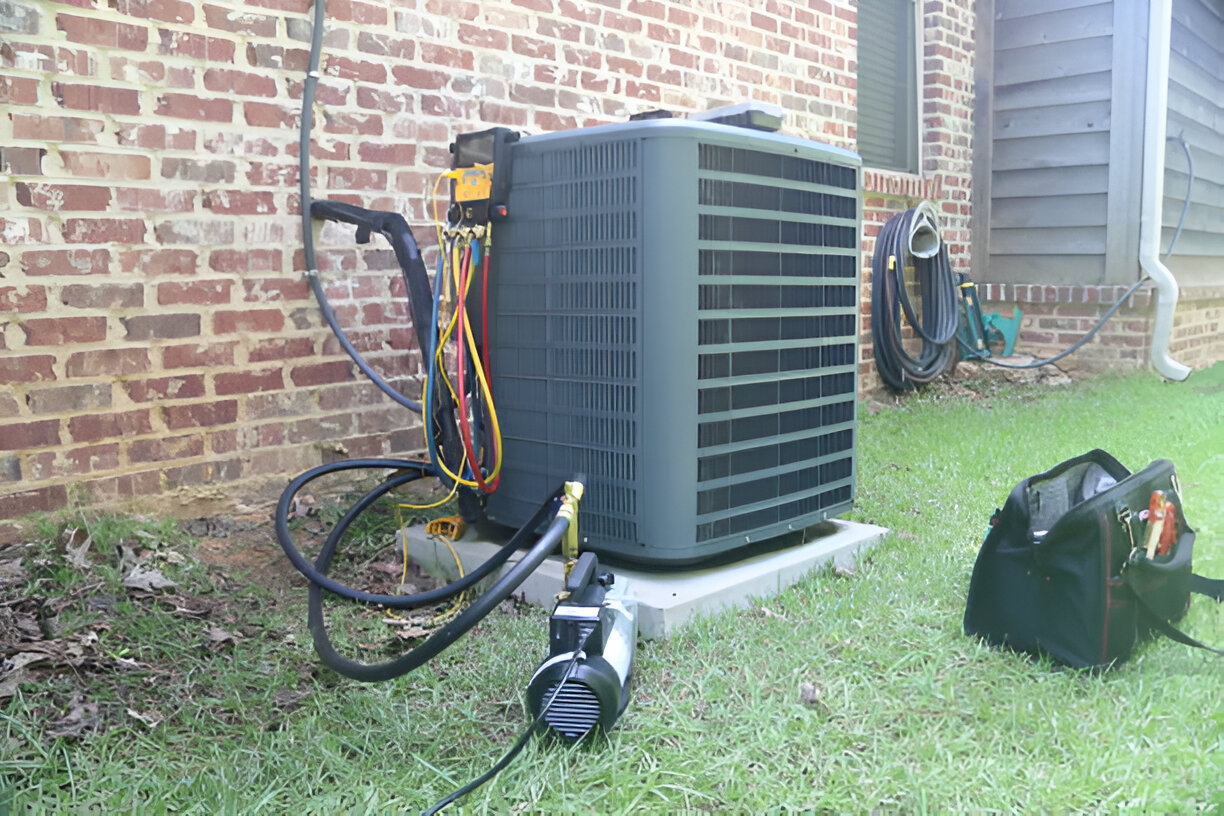
Common heat pump problems in Splendora, TX
Homeowners in Splendora most often see these symptoms:
- Insufficient heating or cooling: Warm rooms in summer or cold indoor air in winter despite the system running.
- Short cycling: Unit frequently turns on and off, increasing wear and degrading efficiency.
- Ice buildup on the outdoor unit: Common in winter; may indicate defrost control or refrigerant issues.
- Strange noises: Grinding, rattling, or loud clicking can signal failing motors, loose components, or worn bearings.
- Higher energy bills: A sudden spike in utility use often points to failing components or low refrigerant.
- Frequent tripping of breakers: Electrical faults, bad capacitors, or failing compressors can overload circuits.
- Refrigerant odor or visible leaks: A sign of a refrigerant leak that needs prompt repair and proper handling.
Local factors like high humidity, pine pollen, and summer heat waves accelerate filter clogging and outdoor coil fouling, making some of these issues more common in Splendora homes.
How heat pump diagnostics are performed
A clear diagnostic process isolates the root cause before any repair:
- Initial symptom review: The technician documents what you’ve observed (times, sounds, thermostat settings).
- Visual and safety inspection: Check access panels, disconnects, wiring, and obvious signs of damage or leaks.
- Thermostat and control check: Confirm correct programming, sensor readings, and communication with the outdoor unit.
- Electrical testing: Measure voltage, current draw, and inspect capacitors, contactors, fuses, and breakers.
- Airflow and duct inspection: Verify filter condition, blower operation, and duct leaks or blockages affecting performance.
- Refrigerant and pressure checks: Use gauges to confirm proper charge, and inspect coils for damage or oil traces that indicate leaks.
- Component function tests: Run the compressor, reversing valve, defrost controls, and fans through cycles to observe behavior.
- Diagnostic report and estimate: After testing, a clear summary and recommended repairs are provided along with timelines.
Diagnostics are performed in a way that minimizes guesswork and focuses repairs on the actual fault.
Typical repairs and what they entail
Common repair tasks for Splendora heat pumps include:
- Compressor replacement: The compressor is the heart of the system. Replacement typically requires system evacuation, replacement, and recharge and often takes most of a day depending on access and parts availability.
- Reversing valve repair/replacement: If your system fails to switch between heating and cooling, the reversing valve or its motor may need service. This is usually a multi-hour job.
- Refrigerant leak repair and recharge: Locating and repairing leaks can range from a short patch to more extensive line set or coil replacement. After repair, the system must be vacuumed and recharged to specification.
- Electrical component replacement: Capacitors, contactors, relays, and control boards fail with age or storm-related surges. These repairs are often completed within 1 to 3 hours.
- Fan motor or blower repairs: Replacing motors or bearings typically takes 1 to 4 hours, depending on whether the indoor or outdoor motor is affected.
- Defrost control and sensor repair: If ice buildup is present, defrost controls or sensors are adjusted or replaced to restore normal cycles.
All repairs should include post-repair testing to confirm normal operation and efficiency.
Expected timelines and what affects them
Typical timelines (subject to part availability and system access):
- Minor electrical fixes or capacitor replacement: 30 minutes to 3 hours
- Fan motor or blower repairs: 1 to 4 hours
- Reversing valve repair: 2 to 6 hours
- Refrigerant leak location and repair: 1 to 8 hours depending on complexity
- Compressor replacement or major system repairs: half day to a full day
Weather, parts lead times, and accessibility of outdoor units (overgrown landscaping, tight locations) influence repair duration.
Emergency and after-hours service in Splendora
Heat pump failures during summer heat waves or storm-related outages can require urgent attention. Emergency response typically focuses on:
- Safety first: Isolate electrical power if there’s burning smell or smoke; avoid DIY refrigerant handling.
- Temporary measures: Resetting thermostats, clearing clogged filters, or tripping breakers may restore limited function until full repairs are possible.
- Priority diagnostics: After-hours technicians triage systems to provide prompt temporary fixes or enough repair to maintain safety and basic comfort until full service can be completed.
If a system failure involves electrical hazards, refrigerant leaks, or the risk of freezing pipes, seeking professional emergency assessment is the recommended approach.
Warranties, parts, and compliance
Understanding warranties and parts quality helps protect your investment:
- Manufacturer warranties: Compressors and major components are often covered by manufacturer warranties (terms vary). Keep unit records and serial numbers handy for warranty claims.
- Labor and parts warranty: Reputable repair services typically provide a labor warranty on work performed and a parts warranty for replaced items. Warranty periods vary by part and provider.
- OEM vs aftermarket parts: OEM parts match original specifications and maintain manufacturer warranty integrity, while aftermarket parts can be cost-effective but may have different performance or warranty implications.
- Regulatory compliance: Refrigerant handling follows EPA rules in Texas. Proper leak repair, recovery, and recharge are required for safety and environmental compliance.
Ask for documentation of parts replaced, serial numbers, and any warranty paperwork after repairs are completed.
Preventative maintenance tips for Splendora homes
Routine maintenance reduces emergency repairs and improves efficiency:
- Change or clean air filters monthly during heavy use.
- Keep at least 2 feet of clearance around the outdoor unit and clear pine needles, leaves, and pollen buildup.
- Schedule tune-ups before the cooling season and before winter to verify refrigerant levels, inspect electrical components, and clean coils.
- Install or test surge protection for outdoor units to mitigate storm-related electrical damage.
- Maintain consistent thermostat settings and avoid rapid setpoint changes to reduce stress on compressors.
- Clear condensate drains and check for proper drainage to prevent water damage and humidity issues.
Consistent maintenance is especially important in Splendora because humidity and debris accelerate wear.
What to expect when scheduling heat pump repair
When you arrange a repair appointment, expect the following flow:
- A pre-visit intake to document symptoms and system details.
- An arrival window and identification of the technician on site.
- Onsite diagnostics followed by a written estimate of required repairs and timelines.
- Clear explanation of recommended repairs, warranty coverage, and next steps—whether parts need ordering or repairs can be completed the same day.
- Post-repair testing and documentation of work performed.
Timely repairs extend equipment life, restore efficiency, and keep your home comfortable through Splendora’s humid summers and cool nights. Regular diagnostics and maintenance are the most effective ways to avoid unplanned outages and costly component failures.
Maintenance Plan You Can Rely On
Basic Care
Perfect for newer systems or budget-conscious homeowners wanting essential protection.
$149/year

Annual comprehensive system inspection
Filter replacement (standard filters included)
15% discount on repairs
Priority scheduling within 48 hours
Premium Protection
Ideal for homes with systems 5+ years old or with moderate usage patterns.
$249/year

Bi-annual system inspections (spring & fall)
Filter replacement (premium filters included)
25% discount on all repairs
Priority scheduling within 24 hours
Free diagnostic fees ($89 value)
Elite Coverage
Best for older systems, luxury homes, or properties with critical climate control needs.
$349/year
Quarterly system inspections
All filters and minor parts included
30% discount on major repairs
Same-day emergency service
Extended 2-year warranty on repairs
Annual system efficiency optimization
Basic Care
Perfect for newer systems or budget-conscious homeowners wanting essential protection.
$149/year
Annual comprehensive system inspection
Filter replacement (standard filters included)
15% discount on repairs
Priority scheduling within 48 hours
Premium Protection
Ideal for homes with systems 5+ years old or with moderate usage patterns.
$249/year
Bi-annual system inspections (spring & fall)
Filter replacement (premium filters included)
25% discount on all repairs
Priority scheduling within 24 hours
Free diagnostic fees ($89 value)
Elite Coverage
Best for older systems, luxury homes, or properties with critical climate control needs.
$349/year
Quarterly system inspections
All filters and minor parts included
30% discount on major repairs
Same-day emergency service
Extended 2-year warranty on repairs
Annual system efficiency optimization
Hear What Our Satisfied Clients Have To Say