
Duct Cleaning in Willis, TX
Duct cleaning service in Willis, TX improves indoor air quality and HVAC performance. Book your assessment today, get a free estimate.
Scroll down to discover more

Duct Cleaning in Willis, TX
Duct cleaning in Willis, TX by Stat Air Care Air Conditioning & Heating is an important maintenance service for homeowners and businesses who want cleaner indoor air, better HVAC performance, and fewer allergy or respiratory triggers. In East Texas’ humid climate with heavy pollen seasons and frequent use of air conditioning, dust, pollen, mold spores, and other contaminants can accumulate quickly in ductwork and HVAC components. Professional duct cleaning removes those contaminants, restores airflow, and helps your system run more efficiently.
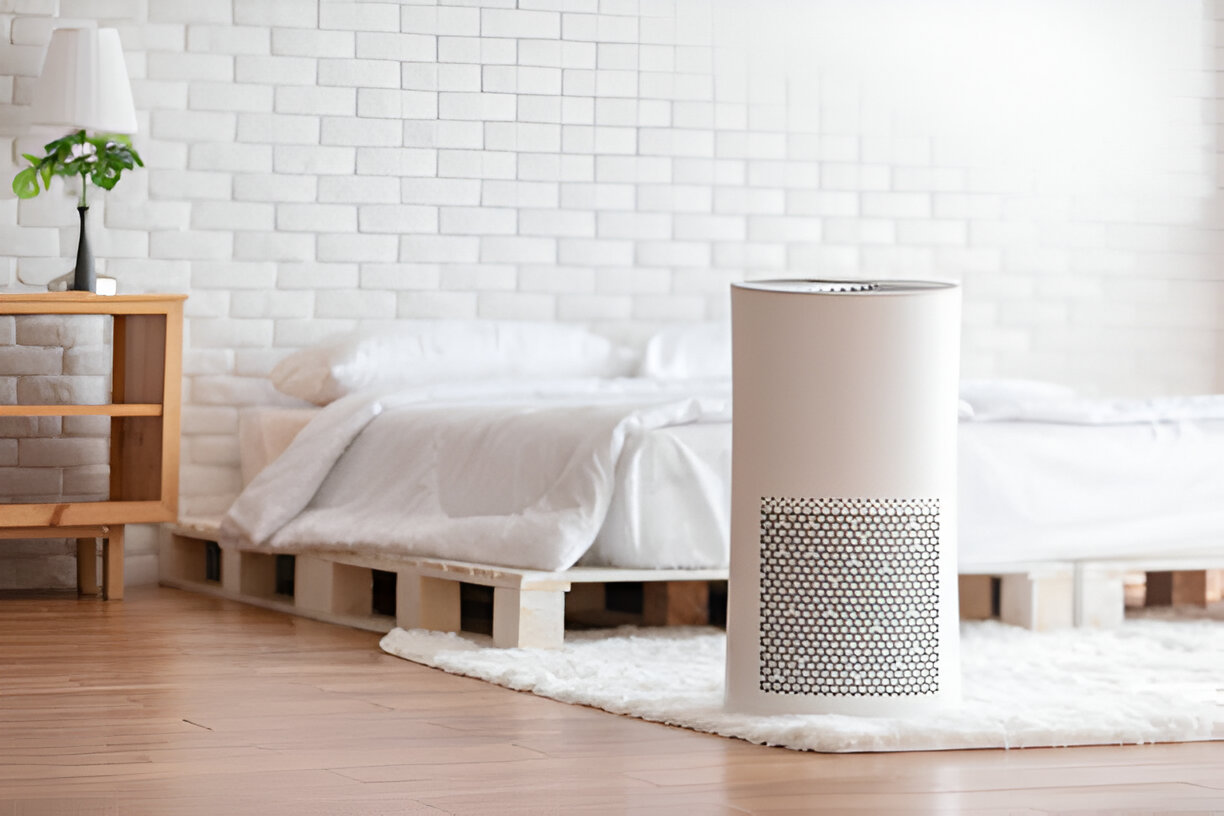
Why duct cleaning matters in Willis, TX
Willis and the surrounding Montgomery County area experience hot, humid summers, prolific tree pollen in spring, and seasonal dust from yard work and storms. That combination increases the likelihood that:
- Airborne allergens (pollen, mold spores, dust mite debris) will enter and settle in ducts.
- Humidity encourages microbial growth in damp or poorly insulated ductwork and on cooling coils.
- Frequent AC use circulates trapped contaminants throughout homes and commercial spaces, worsening indoor air quality.
Regular duct cleaning helps reduce allergy triggers, limit mold growth, and improve overall comfort — especially in Willis homes with pets, recent renovations, older HVAC systems, or visible dust and odors coming from vents.
Common duct cleaning issues in Willis homes and businesses
Most calls for duct cleaning are driven by one or more of these common problems:
- Visible dust or black residue around supply registers and return grilles
- Persistent musty or moldy odors when the system runs
- Reduced airflow or uneven heating and cooling across rooms
- Allergy and respiratory symptoms that improve when away from the building
- Rodent or insect evidence (nesting material, droppings) found in attics, crawlspaces, or ducts after storms or construction
- Soot, cooking grease, or smoke residues in commercial kitchens and restaurants
Identifying the specific cause during an inspection ensures the right cleaning method and additional repairs (insulation, sealing, or coil cleaning) are recommended.
Inspection and assessment
A professional duct cleaning begins with a detailed inspection and assessment. Expect technicians to:
- Inspect visible return and supply grilles, blower compartment, evaporator coil area, and accessible duct runs
- Use a camera inspection when needed to evaluate inaccessible or long-run ducts
- Check for signs of moisture intrusion, microbial growth, pest activity, or loose insulation
- Identify which components require cleaning (ducts only vs. full system: coils, blower, registers)
This assessment produces a transparent scope of work and helps determine if additional HVAC maintenance or repairs are needed to prevent rapid recontamination.
The professional duct cleaning process
Professional duct cleaning uses equipment and methods designed to remove settled debris without introducing contaminants into the living space. The typical process includes:
- Containment setup and negative-pressure control to prevent dust spread
- Agitation of the duct interior using rotary brushes, air whips, or compressed-air tools to dislodge settled dust and debris
- Collection of debris with a high-powered vacuum system that exhausts to a sealed collection chamber
- Filtration of exhaust air through HEPA-grade filters to capture fine particles
- Cleaning of registers, grilles, and accessible components; optional cleaning of the blower motor housing, evaporator coil, and condensate drain for full-system service
- Final inspection and before-and-after documentation, including photos where applicable
These steps follow industry-standard practices focused on containment, thorough agitation, and HEPA-filtered collection so particles aren’t simply redistributed.
What to expect before and after service
Before service:
- A clear inspection report and written scope of work outlining what will be cleaned.
- Preparation guidance (protecting floors, moving small furniture away from registers, turning off HVAC as needed).
During service:
- Technicians will seal and isolate the system, perform agitation, and run the vacuum—typically completing a residential job in a few hours depending on system size and condition.
- Additional services like coil cleaning, insulation replacement, or duct sealing may be recommended if problems are found.
After service:
- You should notice reduced dust on furniture and cleaner-smelling air.
- Airflow and temperature consistency may improve, and HVAC run times can decrease with better airflow.
- Technicians often provide documentation of work performed and recommendations for maintaining results.
Service intervals and packages
Typical intervals:
- For most Willis homes, a standard recommendation is every 3 to 5 years for duct cleaning.
- More frequent cleaning (every 1 to 3 years) is advised for homes with pets, occupants with allergies/asthma, recent renovations, ongoing construction, or evidence of moisture/pest problems.
- Commercial facilities with heavy use (restaurants, medical offices, manufacturing) often require customized schedules based on occupancy and contaminant type.
Common packages:
- Basic duct cleaning (supply and return registers, main trunk lines)
- Whole-system cleaning (ducts plus blower, evaporator coil, and accessible components)
- Commercial maintenance contracts with scheduled cleanings and documentation for compliance
- Add-on services: duct sealing, insulation repair, coil maintenance, and mold remediation when needed
Packages are typically tailored to system size, access complexity, and condition identified during inspection.
Health, allergy, and indoor air quality considerations
Duct cleaning can meaningfully reduce sources of indoor allergens and irritants when done correctly. Key points for Willis residents:
- People with asthma, COPD, or severe allergies may experience noticeable symptom relief after professional cleaning, especially when combined with other indoor air quality strategies (humidity control, upgraded filtration).
- Duct cleaning is not a cure-all; it’s most effective as part of a comprehensive plan that includes proper filtration (MERV-rated filters suited to the system), regular filter changes, and moisture control in humid months.
- If mold growth is extensive or caused by water intrusion, targeted mold remediation and repair of the moisture source are necessary in addition to cleaning.
How booking and service coordination typically work
A straightforward professional process helps property owners understand and schedule duct cleaning without surprises. Typical steps include:
- Request an inspection and provide basic information about the property and concerns.
- Receive an on-site assessment and a written estimate detailing the scope and recommended package.
- Select the desired package and schedule a service window that fits your household or business operations.
- Technicians perform the service with containment and HEPA filtration, deliver before-and-after documentation, and outline any follow-up recommendations.
Choosing a provider that documents conditions and follows containment and HEPA filtration best practices ensures the work improves air quality and system performance.
Maintenance Plan You Can Rely On
Basic Care
Perfect for newer systems or budget-conscious homeowners wanting essential protection.
$149/year

Annual comprehensive system inspection
Filter replacement (standard filters included)
15% discount on repairs
Priority scheduling within 48 hours
Premium Protection
Ideal for homes with systems 5+ years old or with moderate usage patterns.
$249/year

Bi-annual system inspections (spring & fall)
Filter replacement (premium filters included)
25% discount on all repairs
Priority scheduling within 24 hours
Free diagnostic fees ($89 value)
Elite Coverage
Best for older systems, luxury homes, or properties with critical climate control needs.
$349/year
Quarterly system inspections
All filters and minor parts included
30% discount on major repairs
Same-day emergency service
Extended 2-year warranty on repairs
Annual system efficiency optimization
Basic Care
Perfect for newer systems or budget-conscious homeowners wanting essential protection.
$149/year
Annual comprehensive system inspection
Filter replacement (standard filters included)
15% discount on repairs
Priority scheduling within 48 hours
Premium Protection
Ideal for homes with systems 5+ years old or with moderate usage patterns.
$249/year
Bi-annual system inspections (spring & fall)
Filter replacement (premium filters included)
25% discount on all repairs
Priority scheduling within 24 hours
Free diagnostic fees ($89 value)
Elite Coverage
Best for older systems, luxury homes, or properties with critical climate control needs.
$349/year
Quarterly system inspections
All filters and minor parts included
30% discount on major repairs
Same-day emergency service
Extended 2-year warranty on repairs
Annual system efficiency optimization
Hear What Our Satisfied Clients Have To Say