
Duct Design in The Woodlands, TX
Discover the importance of custom ductwork design in The Woodlands, TX. Improve airflow, control humidity, and enhance your home's energy efficiency.
Scroll down to discover more

Duct Design in The Woodlands, TX
Proper duct design from Stat Air Care Air Conditioning & Heating is one of the most important but often overlooked parts of a comfortable, efficient HVAC system. For homeowners and businesses in The Woodlands, TX, custom ductwork design from Stat Air Care Air Conditioning & Heating addresses the region's hot, humid summers, varied home styles from open-plan new builds to older wooded lots, and the demand for balanced airflow, reduced humidity, and lower energy costs.
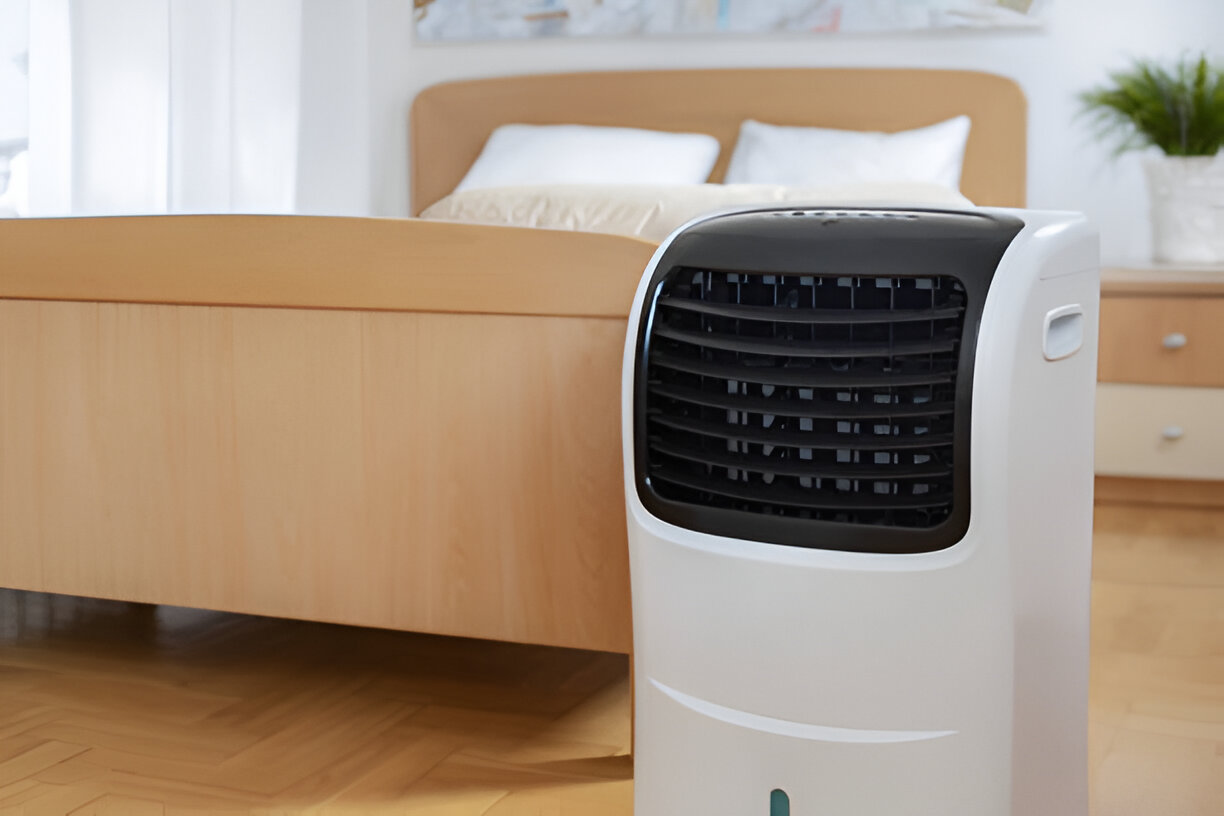
Why custom ductwork matters in The Woodlands, TX
- High summer temperatures and persistent humidity increase cooling loads and make humidity control essential for comfort and indoor air quality.
- Many local homes feature large open spaces, vaulted ceilings, or multiple stories that complicate airflow distribution.
- Attics and crawlspaces can reach extreme temperatures under the Texas sun, affecting duct heat gain and system efficiency.Custom duct design ensures the system is sized and laid out to deliver even temperatures, control humidity, and operate efficiently under these local conditions.
Common duct problems we solve
- Uneven rooms or hot and cold spots due to poor duct sizing or layout
- Excessive noise from high-velocity returns or poorly supported ducts
- High energy bills tied to duct leakage, undersized ducts, or excessive static pressure
- Poor humidity control because of oversized equipment or improper airflow balance
- Retrofit challenges in older homes where existing duct runs were never optimized
Our diagnostic approach: Manual J, S, and D explained
We base every design on industry-standard load and equipment analysis:
- Manual J load calculation determines the actual heating and cooling load for each room and the whole building. This accounts for The Woodlands climate, orientation, insulation, windows, and occupancy.
- Manual S selects the right-sized equipment based on the Manual J output and realistic operating conditions.
- Manual D develops the duct system: sizing, layout, register locations, and balancing strategy to meet the equipment and room loads.Using Manual J/S/D together prevents oversizing, avoids poor humidity control, and delivers predictable performance.
Duct sizing and layout optimization
- Duct sizing is calculated to provide balanced airflow in cubic feet per minute (CFM) to each room while keeping static pressure within the equipment manufacturer limits.
- Layout optimization considers shortest, most efficient runs, minimizing bends and transitions to reduce pressure loss and noise.
- Supply and return placement is planned to promote crossflow and even temperature distribution, especially in large open-concept living areas common in The Woodlands.
- Special attention is given to attic and crawlspace routing to reduce exposure to extreme temperatures and to facilitate future access.
Material and insulation options
- Sheet metal ducts offer durability and low leakage potential and are preferred where long life and low maintenance are priorities.
- Fabric ductwork or insulated flex duct can be used in retrofit situations or where noise reduction and flexibility are needed.
- Insulation choices and R-values are selected with local attic temperatures and code requirements in mind to reduce thermal gain and condensation risk.
- All materials are chosen to limit air leakage and resist mold and moisture issues that thrive in humid climates.
Zoning strategies for local comfort needs
- Zoning splits the home or business into independent temperature zones, ideal for multi-story homes or spaces with different occupancy patterns.
- Properly balanced zones reduce short cycling, improve comfort in bedrooms or home offices, and can lower energy use by conditioning only occupied spaces.
- Zoning is designed in conjunction with Manual S equipment selection to ensure the system can handle varied simultaneous demands.
Retrofit versus new-construction approaches
- New construction: Duct routes can be integrated into framing for optimal short runs, centralized returns, and minimal leakage. This allows the most efficient layouts, insulation, and register placement.
- Retrofit: We assess existing duct conditions, sealing opportunities, and potential reroutes. Solutions often include right-sizing parts of the system, adding returns, or installing higher-performance materials where needed.
- In both cases, the focus is on meeting the designed CFM, minimizing pressure drop, and ensuring long-term performance.
Airflow testing and balancing deliverables
After installation we provide documented testing and balancing to verify system performance:
- As-built duct layout and schematic with register CFM targets and measured flows
- Static pressure measurements at the air handler and key duct branches
- Leakage assessment results and recommended or completed sealing work
- Final balancing report showing corrected CFM, temperature differentials, and performance notesThese deliverables provide transparency and help ensure your system operates as modeled.
Energy-efficiency and health benefits
- Correctly designed ducts reduce wasted energy from oversizing and leakage, resulting in lower operating costs in The Woodlands' high cooling season.
- Balanced airflow helps maintain consistent humidity control, reducing mold risk and improving indoor air quality in humid months.
- Proper insulation and routing minimize thermal gain, reducing compressor run time and extending equipment life.
Compliance with local codes and practical considerations
- Designs are prepared with local permitting and code compliance in mind, including ventilation and insulation requirements applicable in this region.
- We account for The Woodlands community characteristics such as tree cover, pollen season, and common construction types when recommending filtration, return placement, and outdoor air strategies.
- Practical installation considerations include attic access, roof lines, and minimizing impact on landscaping and exterior aesthetics.
Consultation and planning process
- Initial consultation and site inspection to review existing conditions, architectural plans, and owner comfort goals.
- Full Manual J load calculation and equipment selection using Manual S criteria.
- Manual D duct design with multiple layout options when appropriate to balance performance and budget.
- Material selection, insulation specification, and zoning plan tailored to the property.
- Permitting support and installation oversight, followed by commissioning, airflow testing, and a complete balancing report.
A professionally engineered duct design tailored to The Woodlands, TX conditions delivers more consistent comfort, better humidity control, and lower operating costs. Whether you are building new, remodeling, or correcting an existing system, a methodical Manual J/S/D approach combined with careful material selection and documented testing ensures predictable, long-term performance for your home or business.
Maintenance Plan You Can Rely On
Basic Care
Perfect for newer systems or budget-conscious homeowners wanting essential protection.
$149/year

Annual comprehensive system inspection
Filter replacement (standard filters included)
15% discount on repairs
Priority scheduling within 48 hours
Premium Protection
Ideal for homes with systems 5+ years old or with moderate usage patterns.
$249/year

Bi-annual system inspections (spring & fall)
Filter replacement (premium filters included)
25% discount on all repairs
Priority scheduling within 24 hours
Free diagnostic fees ($89 value)
Elite Coverage
Best for older systems, luxury homes, or properties with critical climate control needs.
$349/year
Quarterly system inspections
All filters and minor parts included
30% discount on major repairs
Same-day emergency service
Extended 2-year warranty on repairs
Annual system efficiency optimization
Basic Care
Perfect for newer systems or budget-conscious homeowners wanting essential protection.
$149/year
Annual comprehensive system inspection
Filter replacement (standard filters included)
15% discount on repairs
Priority scheduling within 48 hours
Premium Protection
Ideal for homes with systems 5+ years old or with moderate usage patterns.
$249/year
Bi-annual system inspections (spring & fall)
Filter replacement (premium filters included)
25% discount on all repairs
Priority scheduling within 24 hours
Free diagnostic fees ($89 value)
Elite Coverage
Best for older systems, luxury homes, or properties with critical climate control needs.
$349/year
Quarterly system inspections
All filters and minor parts included
30% discount on major repairs
Same-day emergency service
Extended 2-year warranty on repairs
Annual system efficiency optimization
Hear What Our Satisfied Clients Have To Say