
UV Lights in Montgomery, TX
UV-C lights for Montgomery, TX improve indoor air quality and reduce microbial growth in HVAC systems. Schedule installation today.
Scroll down to discover more

UV Lights in Montgomery, TX | Stat Air Care Air Conditioning & Heating
UV lights for HVAC systems installed by Stat Air Care Air Conditioning & Heating are an effective, low-profile way to improve indoor air quality and reduce microbial growth on coils and inside ductwork. In Montgomery, TX, where hot, humid summers and seasonal pollen create ideal conditions for mold, bacteria, and allergens, Stat Air Care Air Conditioning & Heating can install UV-C air purification in your HVAC to help reduce musty odors, decrease coil fouling, and support healthier indoor environments.
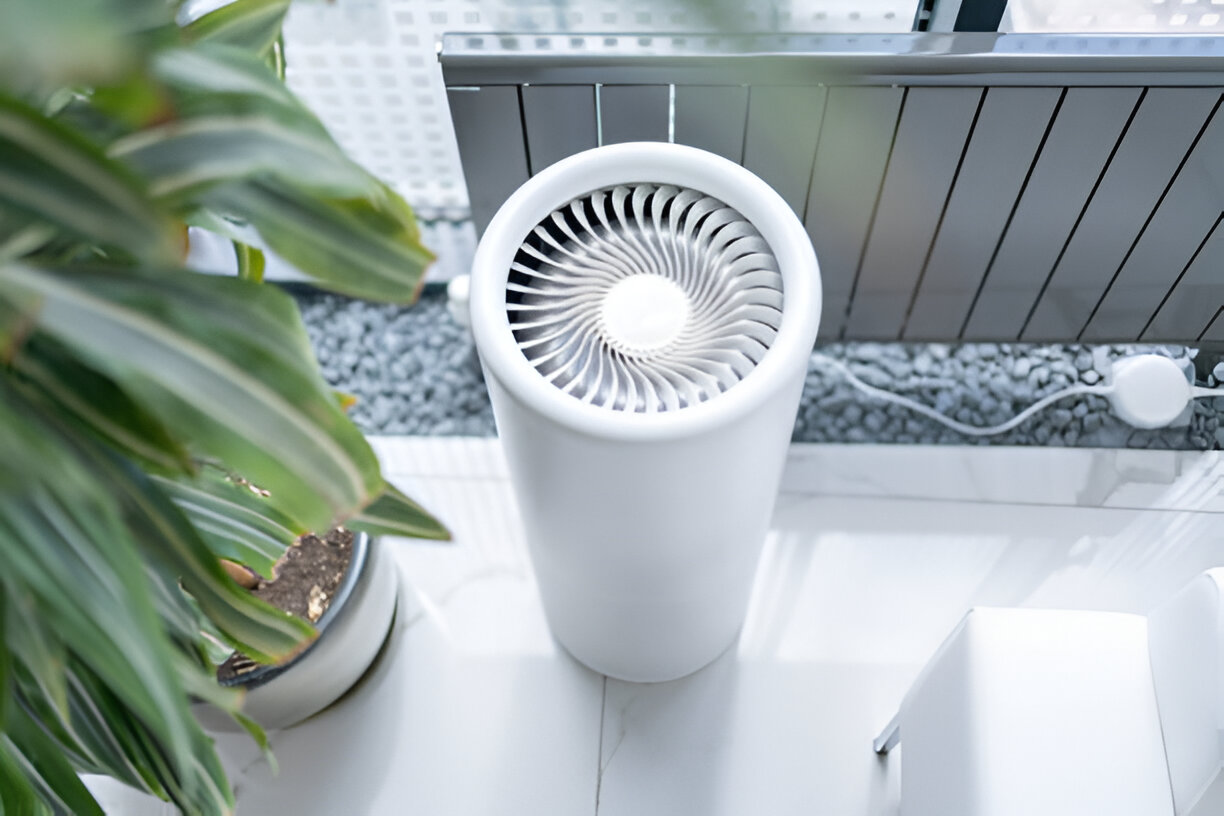
Why UV-C matters for Montgomery homes
- Montgomery’s humid climate encourages microbial growth on evaporator coils and inside ducts. That growth reduces system efficiency and contributes to indoor allergens and odors.
- UV-C light (germicidal ultraviolet) disrupts the DNA and RNA of bacteria, mold spores, and some viruses, preventing reproduction and reducing active microbial populations on exposed surfaces.
- Keeping coils cleaner with a UV system can improve airflow, lower energy use over time, and reduce the frequency of chemical coil cleanings.
Common UV light options and which is right for you
- Coil-mounted UV lights (coil head units)
- Mounted directly above the evaporator coil inside the air handler.
- Best for targeting coil-surface growth and preventing performance losses from biofilm and slime buildup.
- Compact and typically simple to integrate with existing air handlers.
- In-duct UV lights
- Installed inside main supply or return duct runs to treat moving air and surfaces over a longer exposure area.
- Useful for reducing airborne microbial load entering living spaces and for treating multiple registers from a central location.
- Upper-air or commercial UV systems (for larger spaces)
- Designed for larger or high-occupancy commercial areas where airborne disinfection in the occupied zone is required.
- Requires careful design to avoid direct occupant exposure.
Both coil and in-duct systems can be compatible with most residential HVAC setups. Selection depends on the filtration and ventilation design of your system, the level of microbial growth observed, and whether the primary goal is coil protection, airborne reduction, or both.
How UV-C lights reduce microbes and improve performance
- UV-C lamps emit germicidal wavelengths that damage microorganisms on contact. On coils, this prevents biofilm formation that restricts airflow and reduces heat transfer.
- In ducts, UV-C exposure reduces viable microbes in the airstream, lowering allergen and odor sources.
- Cleaner coils restore designed airflow and heat exchange, which often reduces runtime and energy consumption and helps maintain manufacturer-rated capacities.
What to expect during inspection and installation
- Initial assessment will identify coil accessibility, duct layout, power availability, and any pre-existing moisture or drainage issues.
- A technician will recommend the appropriate type and number of lamps, mounting orientation, and wiring approach (hardwired or plug-in).
- Typical residential installations: 1 to 3 hours for a single coil-mounted unit; in-duct installs may take a few hours depending on access and duct size. Commercial systems require tailored design and longer installation windows.
- Post-install testing verifies lamp output, electrical connections, and that there is no unsafe UV leakage to occupied areas.
Maintenance and bulb replacement schedule
- UV-C lamps lose germicidal intensity over time even when they still light up. Most manufacturers recommend replacing bulbs every 9 to 12 months to maintain optimal disinfection.
- Quartz sleeves or lamp covers should be cleaned periodically (often at the same interval as bulb replacement) because dust and film reduce UV transmission.
- Annual HVAC tune-up visits are an ideal time to check lamp hours, clean sleeves, and confirm mounting and wiring integrity. Some systems include lamp-life indicators or monitoring modules for easier tracking.
Safety considerations
- Direct human exposure to UV-C can injure skin and eyes. Properly designed coil-mounted and in-duct systems prevent occupant exposure by shielding lamps inside the air handler or ductwork.
- Upper-air systems or any units that could expose occupants require professional placement and safety measures.
- Use bulbs labeled as low-ozone or ozone-free to avoid potential ozone generation; confirm lamp specifications and certifications. Always power down electrical circuits before performing any maintenance.
Warranty, reliability, and cost estimates
- Many UV fixture manufacturers offer warranties on fixtures (commonly 1 to 5 years) and shorter coverage on bulbs. Verify warranty specifics for labor and parts.
- Typical installed cost ranges (residential, approximate):
- Coil-mounted UV unit: $300 to $700 installed, depending on access and system configuration.
- In-duct UV system: $600 to $1,500 installed, depending on duct size, number of lamps, and installation complexity.
- Commercial systems: higher and site-specific, based on required coverage and lamp quantity.
- Cost drivers include number of lamps, mounting difficulty, required electrical work, and any needed duct modifications. Potential savings come from fewer coil cleanings, fewer service calls for microbial-related issues, and maintained HVAC efficiency.
Common problems UV systems address and expected benefits
- Problems commonly improved by UV installation:
- Recurring musty or moldy odors originating from the HVAC system.
- Rapid coil fouling that requires frequent chemical cleaning.
- Ongoing allergy symptoms tied to indoor microbial sources.
- Reduced system efficiency due to biological buildup on coils.
- Benefits to expect:
- Cleaner coils and ducts, extended component life, and less frequent deep-clean service.
- Reduction in microbial-related odors and allergen load.
- More consistent airflow and improved energy performance when compared with untreated coil conditions.
Typical scheduling and installation process overview
- The standard sequence: on-site assessment, written recommendation and estimate, selection of system type, and a scheduled installation window. Residential installs are usually completed in a single visit; larger or commercial installs may require phased work. After installation, lamp operation and safety are verified and owners are provided guidance on maintenance intervals and bulb replacement.
In Montgomery, TX, UV-C HVAC systems are especially relevant because humid summers and seasonal pollen increase the risk of microbial growth in air handlers and ducts. Properly specified and professionally installed UV lights help protect indoor air quality, reduce HVAC maintenance needs, and support a healthier living environment.
Maintenance Plan You Can Rely On
Basic Care
Perfect for newer systems or budget-conscious homeowners wanting essential protection.
$149/year

Annual comprehensive system inspection
Filter replacement (standard filters included)
15% discount on repairs
Priority scheduling within 48 hours
Premium Protection
Ideal for homes with systems 5+ years old or with moderate usage patterns.
$249/year

Bi-annual system inspections (spring & fall)
Filter replacement (premium filters included)
25% discount on all repairs
Priority scheduling within 24 hours
Free diagnostic fees ($89 value)
Elite Coverage
Best for older systems, luxury homes, or properties with critical climate control needs.
$349/year
Quarterly system inspections
All filters and minor parts included
30% discount on major repairs
Same-day emergency service
Extended 2-year warranty on repairs
Annual system efficiency optimization
Basic Care
Perfect for newer systems or budget-conscious homeowners wanting essential protection.
$149/year
Annual comprehensive system inspection
Filter replacement (standard filters included)
15% discount on repairs
Priority scheduling within 48 hours
Premium Protection
Ideal for homes with systems 5+ years old or with moderate usage patterns.
$249/year
Bi-annual system inspections (spring & fall)
Filter replacement (premium filters included)
25% discount on all repairs
Priority scheduling within 24 hours
Free diagnostic fees ($89 value)
Elite Coverage
Best for older systems, luxury homes, or properties with critical climate control needs.
$349/year
Quarterly system inspections
All filters and minor parts included
30% discount on major repairs
Same-day emergency service
Extended 2-year warranty on repairs
Annual system efficiency optimization
Hear What Our Satisfied Clients Have To Say