
UV Lights in Spring, TX
UV-C lights for Spring TX HVAC systems cut microbial growth and odors; learn installation, maintenance, safety, and how it improves IAQ.
Scroll down to discover more

UV Lights in Spring, TX | Stat Air Care Air Conditioning & Heating
UV-C lights integrated with HVAC systems by Stat Air Care Air Conditioning & Heating are a targeted, professional solution for reducing airborne pathogens, bacteria, and mold in your home or business. In Spring, TX—where hot, humid summers and frequent pollen and storm-related moisture create ideal conditions for microbial growth—UV treatment can protect indoor air quality, reduce musty odors, and help HVAC systems run more efficiently.
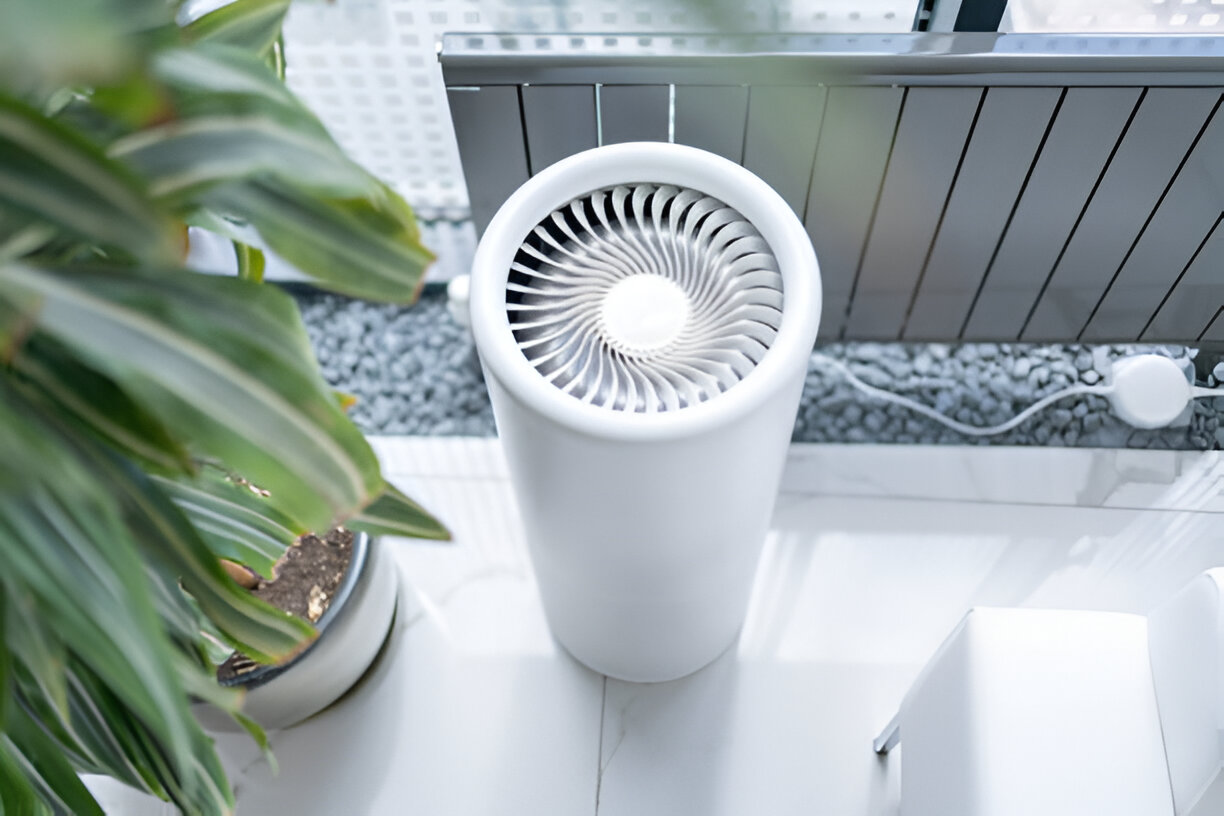
How UV-C works and why it matters in Spring, TX
UV-C light (germicidal ultraviolet) damages the DNA and RNA of microorganisms, preventing replication and reducing viable bacteria, viruses, and fungal spores on surfaces and in moving air streams. In Spring, TX, high relative humidity, frequent rainfall, and heavy pollen seasons increase coil wetting and organic build-up on evaporator coils and drain pans—common sites for mold and bacterial growth. Installing UV-C at strategic HVAC locations helps keep coils cleaner, reduces odor-causing microbial colonies, and lowers the risk that allergens and pathogens will recirculate through living spaces.
Types of UV systems and recommended placement
- In-duct coil irradiation (coil-mounted): Lights are mounted directly facing the evaporator coil and drain pan to continuously irradiate wet surfaces where mold and biofilm form. This is the most common residential choice for improving coil cleanliness and system efficiency.
- In-duct air-stream units: Installed inside the return or supply duct to expose moving air to UV-C. Best used with appropriate lamp power and duct length to achieve meaningful exposure.
- Upper-room UVGI (commercial): Mounted high in rooms with sufficient ceiling clearance and air mixing to disinfect upper-room air—typically for healthcare, daycare, or commercial settings where occupant density is higher.
- Drain pan/return plenum units: Small lamps aimed at the drain pan and immediate plenum area to control standing-water microbial growth and reduce odors.
Placement is decided after an inspection of the air handler layout, coil orientation, and wiring access. For Spring, TX HVAC setups that run long hours during summer, coil-mounted lamps are especially effective.
Typical installation process
- System assessment: Inspect the air handler, coil condition, duct layout, and electrical access. Identify any pre-existing mold or moisture issues that should be remediated first.
- System selection and sizing: Choose lamp type, wattage, and mounting method appropriate to coil size, air speed, and expected operating hours.
- Mounting and wiring: Secure lamp assemblies in the duct or on the coil frame, install ballasts in a safe location, and hardwire to the HVAC power circuit or a dedicated circuit with appropriate disconnecting means.
- Safety interlocks and labeling: Install switches or interlocks so lamps turn off when access panels open and label panels with UV safety warnings.
- Commissioning: Test electrical connections, verify lamp operation, inspect beam coverage, and document installation details and lamp hours.
- Documentation: Provide an installation record that includes lamp model, wattage, estimated replacement interval, and maintenance checklist.
Maintenance and lamp replacement schedule
- Visual inspection every 3 months: Verify lamp operation indicator, check for dust/debris on lamp sleeves, and ensure mounting hardware and wiring are secure.
- Cleaning every 3–6 months: Wipe quartz sleeves with a lint-free cloth and approved cleaner to remove dust and film that reduce UV output. In Spring’s humid and dusty conditions, lean toward more frequent cleaning.
- Lamp replacement annually: Most germicidal lamps produce maximum germicidal output for 9–12 months of continuous operation. Replace annually (or per manufacturer hours rating) to maintain effectiveness.
- Ballast and system check every 2–3 years: Ballast life varies; inspect ballasts and wiring during annual service and plan replacement if dimming or electrical issues appear.
- Recordkeeping: Track lamp installation dates, hours of operation, and maintenance actions. This ensures predictable performance and preserves warranties.
Safety considerations
- Direct UV-C exposure is harmful to eyes and skin. All installations should prevent occupant exposure by locating lamps inside ducts or behind shields, and by using interlocks that power lamps down when the air handler is accessed.
- Choose ozone-free lamps (peak output near 254 nm) if occupants are sensitive; lamps that emit 185 nm can form ozone and require ventilation and specific handling.
- Degradation risk: Long-term UV exposure can degrade plastics and wire insulation in the airstream; ensure lamp placement and shielding protect vulnerable components.
- Permitting and code compliance: Follow local electrical codes and labeling requirements. Some jurisdictions may require a licensed electrician for hardwiring; confirm local rules where you are in Spring, TX.
Expected indoor air quality and system performance improvements
- Reduced microbial growth on coils and drain pans, leading to fewer musty odors and reduced mold re-accumulation after cleanings.
- Improved coil heat transfer and airflow as UV keeps coils cleaner, which can modestly improve system efficiency and reduce cooling strain in Spring’s long cooling season.
- Lower levels of viable bacteria and fungal spores on treated surfaces; when paired with quality filtration, occupants may experience fewer allergy or respiratory aggravators.
- UV is not a standalone disinfectant for all airborne pathogens; it is most effective on surface and coil biofilm control and as part of a combined IAQ strategy that includes filtration, humidification control, and source control.
When UV treatment is recommended in Spring, TX
- Homes and businesses with recurring mold or musty odors around the air handler, attic, or duct returns.
- Properties that experienced recent flooding, storm-related water intrusion, or persistent condensation issues.
- Households with allergy or asthma sufferers seeking reduced allergen recirculation.
- Older HVAC systems with heavily soiled coils or drain pans where traditional cleaning provides only temporary relief.
- Commercial settings (daycare, clinics, multi-tenant buildings) where enhanced air disinfection supports occupant health.
Warranty and service options
- Manufacturer warranties typically cover lamp defects for a limited period; ballasts may carry longer warranties. Confirm specific terms for lamp models used.
- Labor warranties and service plans can include installation labor coverage, scheduled lamp replacement, and annual coil/lamp maintenance visits.
- Common service packages bundling UV maintenance with seasonal HVAC tune-ups ensure lamps are cleaned and replaced on schedule and system performance is tracked.
Maintenance Plan You Can Rely On
Basic Care
Perfect for newer systems or budget-conscious homeowners wanting essential protection.
$149/year

Annual comprehensive system inspection
Filter replacement (standard filters included)
15% discount on repairs
Priority scheduling within 48 hours
Premium Protection
Ideal for homes with systems 5+ years old or with moderate usage patterns.
$249/year

Bi-annual system inspections (spring & fall)
Filter replacement (premium filters included)
25% discount on all repairs
Priority scheduling within 24 hours
Free diagnostic fees ($89 value)
Elite Coverage
Best for older systems, luxury homes, or properties with critical climate control needs.
$349/year
Quarterly system inspections
All filters and minor parts included
30% discount on major repairs
Same-day emergency service
Extended 2-year warranty on repairs
Annual system efficiency optimization
Basic Care
Perfect for newer systems or budget-conscious homeowners wanting essential protection.
$149/year
Annual comprehensive system inspection
Filter replacement (standard filters included)
15% discount on repairs
Priority scheduling within 48 hours
Premium Protection
Ideal for homes with systems 5+ years old or with moderate usage patterns.
$249/year
Bi-annual system inspections (spring & fall)
Filter replacement (premium filters included)
25% discount on all repairs
Priority scheduling within 24 hours
Free diagnostic fees ($89 value)
Elite Coverage
Best for older systems, luxury homes, or properties with critical climate control needs.
$349/year
Quarterly system inspections
All filters and minor parts included
30% discount on major repairs
Same-day emergency service
Extended 2-year warranty on repairs
Annual system efficiency optimization
Hear What Our Satisfied Clients Have To Say