
UV Lights in Willis, TX
Discover UV lights for Willis, TX to boost IAQ and HVAC efficiency. Schedule installation today for safer, cleaner air.
Scroll down to discover more

UV Lights in Willis, TX | Stat Air Care Air Conditioning & Heating
UV germicidal light systems for HVAC from Stat Air Care Air Conditioning & Heating are an effective, low-maintenance way to reduce bacteria, mold, and airborne viral particles in Willis, TX homes and businesses. With long, hot, humid summers and frequent pollen and biological growth in the Piney Woods region, HVAC coils, drain pans, and duct interiors in this area are especially prone to microbial buildup. Properly specified and installed UV-C lamps improve indoor air quality (IAQ), help maintain system efficiency, and reduce odors — making them a practical addition to local HVAC systems.
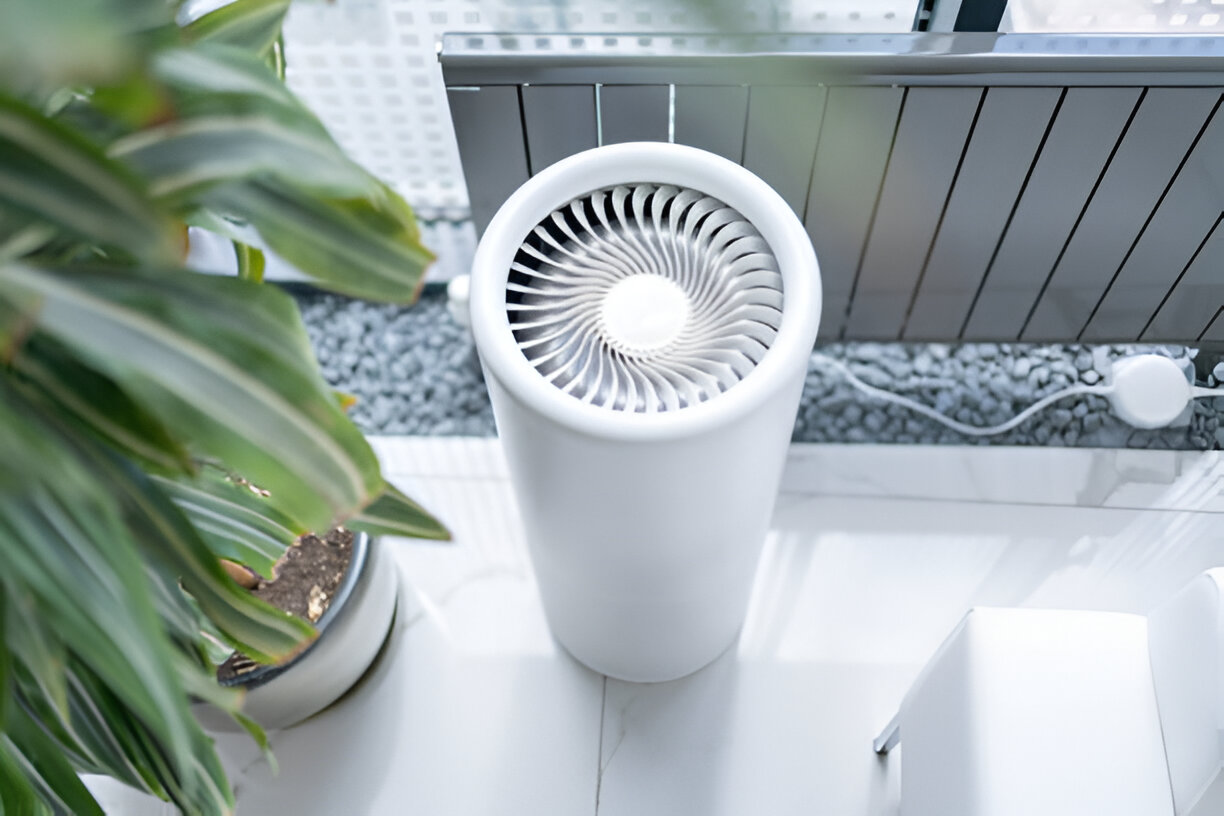
How UV germicidal systems work
- UV-C radiation (germicidal range) inactivates microorganisms by disrupting DNA/RNA and cell membranes. For HVAC use, conventional low-ozone UV-C lamps emit around 254 nm, which is effective against bacteria, mold spores, and many viruses.
- Two common configurations:
- Coil-mounted (in-evaporator coil): Lamps aimed across the evaporator coil and drain pan prevent biofilm and mold growth at the source where moisture collects.
- In-duct (air-stream): Lamps mounted inside supply or return ducts reduce microbial load within moving air and on duct surfaces, useful in systems with long duct runs or multiple return points.
Benefits for Willis, TX homes and businesses
- Reduced mold and microbial odors — especially important in humid months when coils and pans foster growth.
- Improved IAQ for allergy and asthma sufferers — seasonal pollen plus microbial fragments can exacerbate symptoms; UV lowers viable microbial content.
- Better HVAC performance — clean coils transfer heat more efficiently; UV cuts biofilm buildup that reduces airflow and system capacity.
- Lower service needs — less frequent coil cleanings and fewer corrosion-driven issues over time.
- Complementary to filtration — UV is not a filter replacement but works alongside quality filters to reduce viable microorganisms that filters can’t neutralize.
Recommended placements and lamp specifications
- Primary placement: coil-mounted lights located to illuminate the entire face of the evaporator coil and the adjacent drain pan area.
- Supplemental placement: in-duct lamps at strategic points (near returns, just downstream of the coil, or in long supply trunks) for additional air-stream exposure.
- Typical lamp types and specs:
- UV-C fluorescent lamps, low-ozone (254 nm) — most common for residential/commercial HVAC.
- Wattages: common residential coil units use 18W–36W lamps; larger commercial systems may require multiple 36W or higher output lamps.
- Accessories: quartz sleeves to protect lamps from dust and moisture, reflectors to increase effective output, and properly rated ballasts.
- Emerging option: UV-C LEDs are available but typically have lower output and higher cost for HVAC-scale disinfection.
Installation process (what a professional will assess and do)
- Site assessment: inspect coil access, duct layout, drain pan condition, and electrical availability. In Willis, technicians also consider humidity, attic conditions, and proximity to outdoor allergen sources.
- System design: determine number of lamps, lamp placement, ballast type, and any needed mounting hardware or sleeves to achieve required UV exposure.
- Mounting and wiring: securely mount lamps or lamp arrays, install ballasts (often in accessible plenum or service panel), and wire to HVAC power with proper fusing and shutoff provisions.
- Verification: test lamp operation and measure UV output (using a UV-C meter or manufacturer specifications) to confirm effective coverage of coil and drain pan.
- Documentation: label system components, note recommended replacement schedules, and record system specifications for future service.
Maintenance and lamp-replacement schedule
- Lamp replacement: replace UV lamps on a manufacturer-recommended schedule — commonly every 9 to 12 months — because output declines even though the lamp may still glow.
- Cleaning: clean quartz sleeves and lamp surfaces every 3–6 months in dusty or humid environments; in Willis, humidity and biological debris may mean more frequent checks during summer months.
- Inspection: annual professional inspection for ballast function, mounting integrity, and UV output verification; some systems benefit from mid-season check-ins.
- Ongoing practices: continue regular HVAC filter changes and routine coil inspections; UV reduces buildup but does not eliminate the need for scheduled preventative maintenance.
Safety considerations
- Avoid direct exposure: UV-C damages skin and eyes. Systems intended for in-duct or coil use are mounted out of human-occupied spaces; personnel should turn power off and avoid viewing operating lamps during service.
- Ozone: choose low-ozone lamps (254 nm) designed for HVAC use. Avoid lamps that emit 185 nm radiation unless specifically required and properly managed, because those can generate ozone.
- Electrical safety: installations must follow electrical codes, include proper grounding and disconnects, and protect ballasts from moisture.
- Signage and interlocks: label service panels and provide accessible shutoffs so service technicians and occupants know how to disable the system before maintenance.
Expected costs and warranty information
- Typical cost ranges (general guidelines):
- Residential coil-mounted single-lamp systems: often in the lower-to-mid hundreds for parts plus installation labor.
- In-duct systems or multi-lamp residential setups: commonly several hundred to a couple thousand dollars depending on system size and number of lamps.
- Commercial installations: vary widely based on duct size and number of lamps; budgets should allow for custom design and multiple fixtures.
- Warranties:
- Lamps usually have limited manufacturer warranties (commonly 6–12 months for output guarantees).
- Ballasts and fixtures may carry longer warranties (1–5 years depending on manufacturer).
- Installer warranty for workmanship varies by provider; documentation at installation typically outlines both product and service warranty terms.
Consultation expectations (what scheduling a professional evaluation typically involves)
- A professional evaluation generally begins with a system survey: identifying coil age and condition, measuring duct runs, and noting indoor humidity concerns common to Willis properties.
- The installer discusses lamp placement options (coil-mounted vs in-duct), reviews electrical access, and provides a system design and cost estimate tailored to your HVAC configuration and local climate demands.
- Prepare to have filter type and current maintenance records available, and note any IAQ symptoms (moldy odors, recurring coil mold, allergy flare-ups) to help tailor the solution.
Final considerations for Willis, TX
UV germicidal lights are particularly effective in Willis because the region’s humidity and seasonal pollen create conditions that accelerate microbial growth on coils and in drain pans. When combined with proper filtration, regular HVAC maintenance, and correct installation and timing of lamp replacements, UV systems provide measurable improvements in indoor air quality, odor control, and HVAC performance. For long-term results, select low-ozone, HVAC-rated UV-C systems, and ensure a trained technician verifies output and services the system on the recommended schedule.
Maintenance Plan You Can Rely On
Basic Care
Perfect for newer systems or budget-conscious homeowners wanting essential protection.
$149/year

Annual comprehensive system inspection
Filter replacement (standard filters included)
15% discount on repairs
Priority scheduling within 48 hours
Premium Protection
Ideal for homes with systems 5+ years old or with moderate usage patterns.
$249/year

Bi-annual system inspections (spring & fall)
Filter replacement (premium filters included)
25% discount on all repairs
Priority scheduling within 24 hours
Free diagnostic fees ($89 value)
Elite Coverage
Best for older systems, luxury homes, or properties with critical climate control needs.
$349/year
Quarterly system inspections
All filters and minor parts included
30% discount on major repairs
Same-day emergency service
Extended 2-year warranty on repairs
Annual system efficiency optimization
Basic Care
Perfect for newer systems or budget-conscious homeowners wanting essential protection.
$149/year
Annual comprehensive system inspection
Filter replacement (standard filters included)
15% discount on repairs
Priority scheduling within 48 hours
Premium Protection
Ideal for homes with systems 5+ years old or with moderate usage patterns.
$249/year
Bi-annual system inspections (spring & fall)
Filter replacement (premium filters included)
25% discount on all repairs
Priority scheduling within 24 hours
Free diagnostic fees ($89 value)
Elite Coverage
Best for older systems, luxury homes, or properties with critical climate control needs.
$349/year
Quarterly system inspections
All filters and minor parts included
30% discount on major repairs
Same-day emergency service
Extended 2-year warranty on repairs
Annual system efficiency optimization
Hear What Our Satisfied Clients Have To Say