
Ventilation in Humble, TX
Ventilation installation and service in Humble, TX. Explore exhaust, ERV/HRV options, code compliance, and maintenance for better IAQ.
Scroll down to discover more

Ventilation in Humble, TX
Proper ventilation is essential for Humble, TX homes and businesses, and Stat Air Care Air Conditioning & Heating understands that heat, high humidity, and occasional heavy storms create conditions that trap moisture and pollutants indoors. Effective mechanical ventilation improves indoor air quality, reduces mold and mildew risk, balances indoor pressure, and helps your HVAC system run more efficiently.
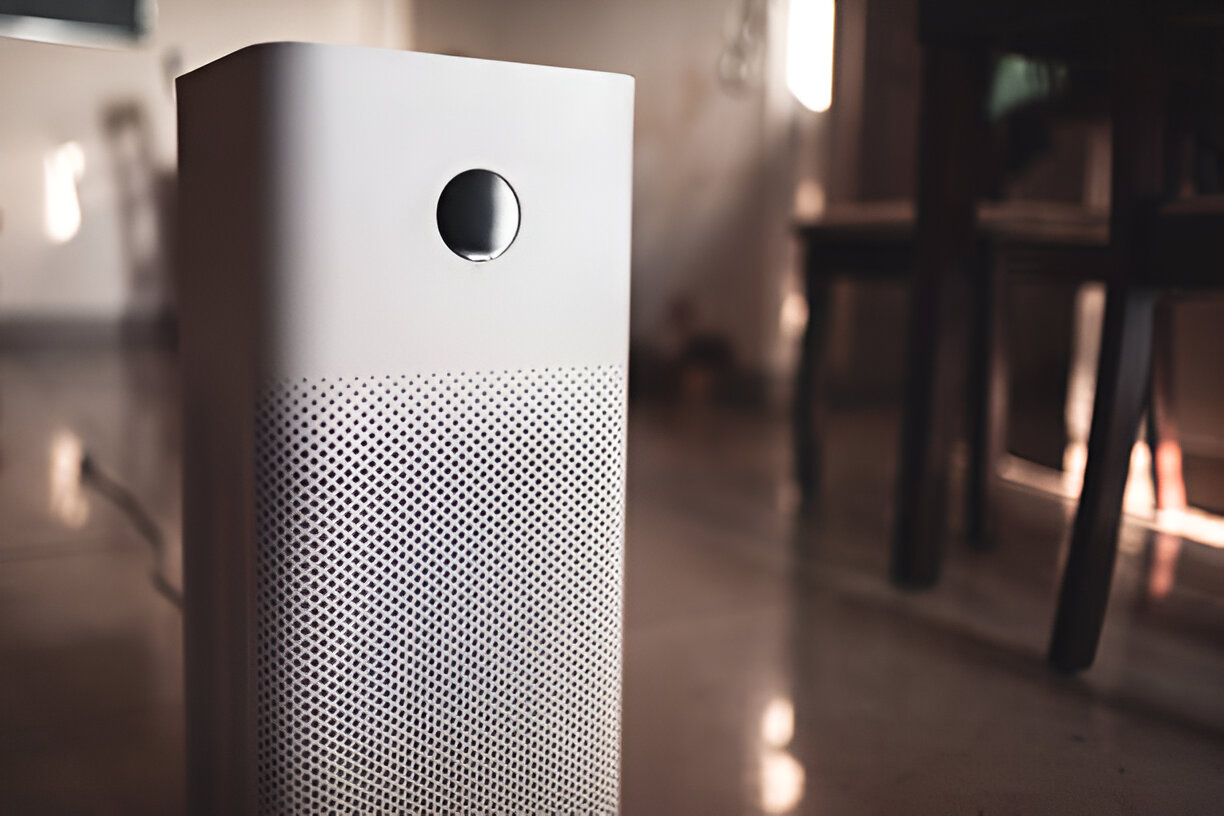
Why ventilation matters in Humble, TX
Humble sits in the greater Houston area with a hot, humid Gulf Coast climate. High outdoor humidity easily infiltrates buildings and increases indoor relative humidity, driving condensation, mold growth, musty odors, and accelerated wear on building materials. Sealed, energy-efficient homes often trap pollutants such as VOCs from building products, cooking byproducts, and allergens. Proper mechanical ventilation addresses those problems by introducing controlled amounts of outdoor air, removing excess moisture, and improving comfort without overworking your cooling system.
Common ventilation issues in Humble, TX
- High indoor humidity and condensation on windows or in attics, which leads to mold and rot.
- Stale air and persistent odors in living spaces and commercial units.
- Uneven airflow and pressure imbalances that cause backdrafting or bring outdoor pollutants indoors.
- Inadequate bathroom and kitchen exhaust, resulting in lingering moisture and cooking odors.
- Poor attic ventilation that traps heat and moisture, shortening roof and insulation life.
- Commercial kitchen and shop ventilation that fails to provide required make-up air, triggering negative pressure and compliance issues.
Ventilation system options and when to use them
- Exhaust fans: Effective for targeted moisture removal in bathrooms and kitchens. Inline and wall-mounted options are used depending on duct runs and noise requirements. In residential kitchens, a properly sized exhaust hood prevents grease and moisture buildup.
- Make-up air units: Required for commercial kitchens and for homes with large exhaust systems. These units supply conditioned outdoor air to replace exhausted air and prevent negative pressure.
- ERV (Energy Recovery Ventilator): Transfers heat and some moisture between incoming and outgoing air streams. In hot, humid climates like Humble, ERVs are often the preferred choice because they help control indoor humidity while recovering energy.
- HRV (Heat Recovery Ventilator): Transfers sensible heat but not moisture. HRVs are typically better for cold, dry climates; in Humble they may be appropriate only in specific situations.
- Balanced whole-house ventilation: Uses both supply and exhaust to control airflow and pressure, integrating with existing HVAC for centralized filtration and conditioning.
- Demand-controlled ventilation: Uses CO2 or occupancy sensors to increase ventilation only when needed, ideal for variable-occupancy commercial spaces to reduce energy use.
- Commercial rooftop exhaust and hood systems: Designed to meet local codes for restaurants and industrial facilities, paired with dedicated make-up air and filtration options.
Mechanical ventilation design and installation process
- Initial assessment: A technician inspects the building envelope, existing ductwork, attic and crawl spaces, sources of moisture and pollutants, and occupancy patterns. In Humble, attention focuses on moisture sources and proper exhaust routing to prevent re-entrainment.
- Load and ventilation rate calculations: Systems are sized using standards such as ASHRAE 62.2 for residences and applicable commercial codes. Proper sizing accounts for square footage, occupancy, and specific equipment like kitchen hoods.
- System selection and placement: Choice between ERV, HRV, exhaust-only, or balanced systems is based on humidity control needs, duct layout, and energy considerations. Placement minimizes long duct runs and noise, and ensures exhaust terminates away from windows and fresh air intakes.
- Duct design and sealing: Ducts are sized for required airflow, insulated where needed, and sealed to prevent leakage and condensation. For Humble’s humid climate, insulation and proper routing prevent moisture accumulation in ducts.
- Controls and integration: Ventilation integrates with HVAC controls, timers, or demand sensors to maintain comfort, IAQ, and energy efficiency. For businesses, controls must also support code-required ventilation rates during operation.
Compliance with codes and standards
Ventilation installations must meet local building codes, state energy codes, and industry standards. Typical requirements reference ASHRAE ventilation rates, the International Residential Code or International Mechanical Code for system installation, and specific commercial codes for kitchen hoods and rooftop equipment. In Humble, code compliance also addresses outdoor air routing, makeup air provisions, and energy recovery where required. Proper documentation and equipment labeling are part of compliant installations.
Maintenance requirements and performance checks
Regular maintenance preserves system performance and prevents moisture and IAQ problems:
- Replace or clean filters on ERV/HRV and make-up air units on the manufacturer schedule.
- Inspect and clean exhaust fans and kitchen hoods to remove grease and debris.
- Check ERV/HRV cores and condensate drains for blockages and clean as needed.
- Verify fan motors and belts, and listen for unusual noises that indicate wear.
- Test system airflow and balance periodically, and measure indoor humidity and CO2 to confirm ventilation rates.
- Inspect duct insulation and sealing, particularly in humid months, to prevent condensation and biological growth.
Signs a system needs service include increased indoor humidity, persistent odors, higher energy bills, visible mold, or rooms that feel stuffy despite running HVAC.
Choosing the right solution for your home or business in Humble
- For most Humble homes, a balanced ventilation system with an ERV provides the best mix of humidity control and energy recovery. ERVs reduce the moisture load that otherwise increases cooling demand.
- Older, leaky homes may need targeted exhaust fans combined with spot dehumidification rather than full mechanical ventilation, depending on retrofit feasibility.
- Commercial kitchens, workshops, and high-occupancy spaces require dedicated exhaust systems with properly sized make-up air units and controls to meet local codes and maintain safe pressure.
- Use demand-controlled ventilation in conference rooms, classrooms, and retail areas to reduce energy use while maintaining IAQ.
- Always consider integration with existing HVAC to allow incoming air to be filtered and conditioned, reducing peak loads and improving occupant comfort.
Long-term benefits and practical tips
Proper ventilation reduces mold risk, improves comfort, eliminates stale air, and can lower long-term HVAC operating costs by reducing humidity and smoothing temperature loads. In Humble’s humid climate, prioritizing moisture control through ERV selection, correct exhaust routing, and routine maintenance yields the most measurable improvements. Small upgrades such as correctly sized bathroom and kitchen exhaust fans, routine filter changes, and periodic airflow testing deliver ongoing benefits for health, property durability, and occupant comfort.
Proper ventilation design, installation, and maintenance tailored to Humble, TX conditions protect indoor environments from humidity-driven problems and keep systems operating efficiently. Regular performance checks and the right system choice help ensure your home or business stays comfortable and healthy year round.
Maintenance Plan You Can Rely On
Basic Care
Perfect for newer systems or budget-conscious homeowners wanting essential protection.
$149/year

Annual comprehensive system inspection
Filter replacement (standard filters included)
15% discount on repairs
Priority scheduling within 48 hours
Premium Protection
Ideal for homes with systems 5+ years old or with moderate usage patterns.
$249/year

Bi-annual system inspections (spring & fall)
Filter replacement (premium filters included)
25% discount on all repairs
Priority scheduling within 24 hours
Free diagnostic fees ($89 value)
Elite Coverage
Best for older systems, luxury homes, or properties with critical climate control needs.
$349/year
Quarterly system inspections
All filters and minor parts included
30% discount on major repairs
Same-day emergency service
Extended 2-year warranty on repairs
Annual system efficiency optimization
Basic Care
Perfect for newer systems or budget-conscious homeowners wanting essential protection.
$149/year
Annual comprehensive system inspection
Filter replacement (standard filters included)
15% discount on repairs
Priority scheduling within 48 hours
Premium Protection
Ideal for homes with systems 5+ years old or with moderate usage patterns.
$249/year
Bi-annual system inspections (spring & fall)
Filter replacement (premium filters included)
25% discount on all repairs
Priority scheduling within 24 hours
Free diagnostic fees ($89 value)
Elite Coverage
Best for older systems, luxury homes, or properties with critical climate control needs.
$349/year
Quarterly system inspections
All filters and minor parts included
30% discount on major repairs
Same-day emergency service
Extended 2-year warranty on repairs
Annual system efficiency optimization
Hear What Our Satisfied Clients Have To Say