
Ventilation in Kingwood, TX
Ventilation installation in Kingwood, TX optimizes indoor air quality with ERV/HRV options and proper sizing. Learn more about upgrade options.
Scroll down to discover more

Ventilation in Kingwood, TX
Good ventilation provided by Stat Air Care Air Conditioning & Heating is the foundation of healthy indoor air and comfortable living in Kingwood, TX. With hot, humid summers, a heavily treed environment that elevates pollen and organic debris, and tightly sealed homes built for energy efficiency, the right mechanical ventilation strategy prevents moisture problems, reduces odors and pollutants, and keeps HVAC systems running efficiently.
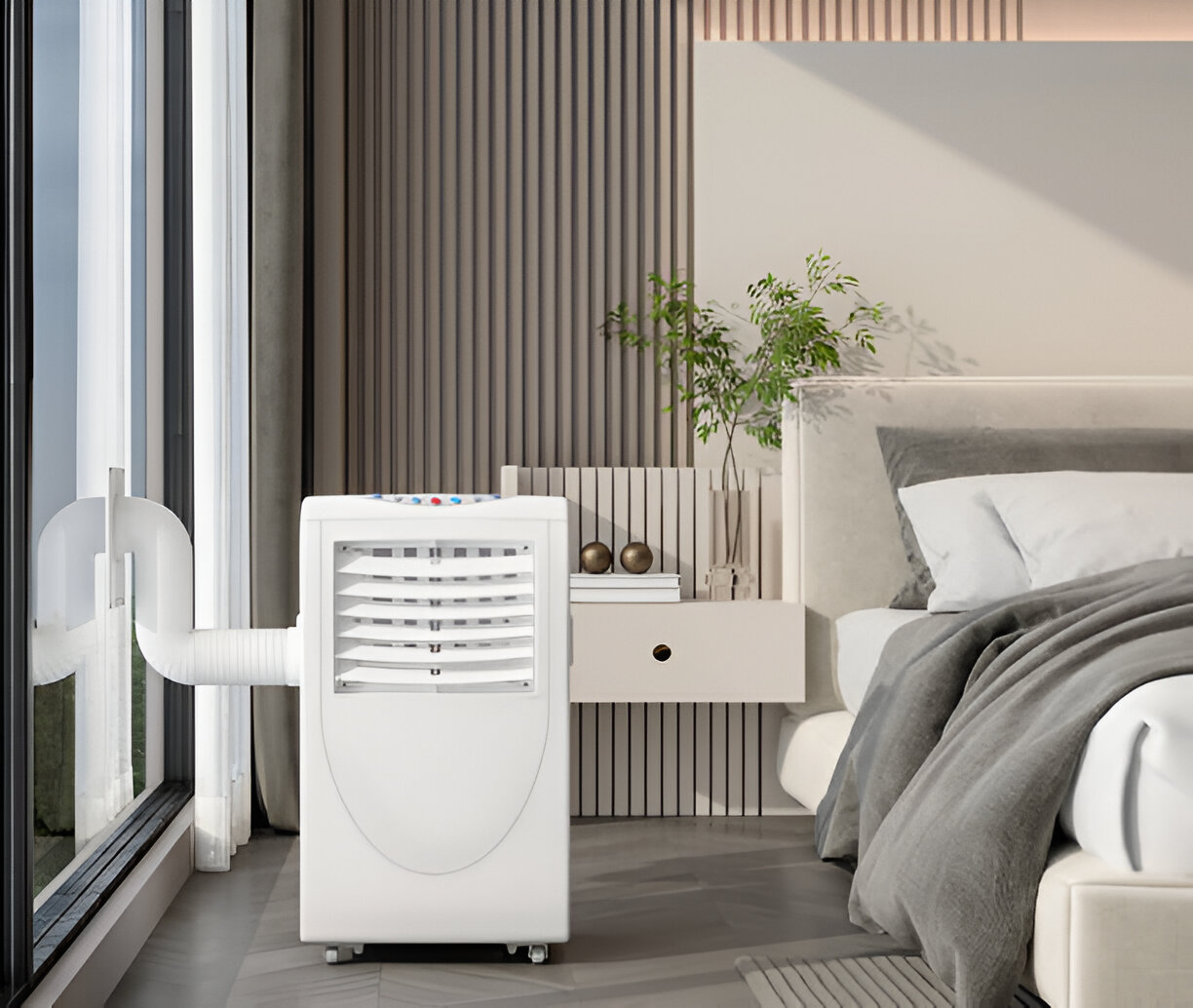
Why ventilation matters in Kingwood, TX
Kingwood’s humid subtropical climate means high indoor humidity for much of the year. That creates ideal conditions for mold growth, musty odors, and accelerated building material deterioration when indoor air is stagnant. Dense tree cover and seasonal pollen add to particulate loads, and occasional heavy storms and localized flooding increase the need for moisture control. Proper mechanical ventilation:
- Reduces indoor humidity and mold risk
- Removes cooking and bathroom odors
- Lowers concentrations of VOCs and indoor pollutants
- Balances indoor pressure to reduce unconditioned air infiltration
- Helps HVAC systems maintain comfort more efficiently
Common ventilation systems and when to use them
Understanding the options helps you choose a solution that meets local needs and code requirements.
- Exhaust fans
- Best for spot ventilation in bathrooms and kitchens.
- Removes humid or odorous air from source rooms to the outside.
- Simple, cost-effective for small homes or spot issues.
- Supply fans
- Pull fresh, filtered outdoor air into the building.
- Useful when you want controlled positive pressure to keep allergens and dust out.
- Often combined with filtration to protect indoor air quality.
- Balanced ventilation with ERV or HRV
- ERV (Energy Recovery Ventilator) transfers sensible heat and some moisture between incoming and outgoing air. In Kingwood’s humid climate, ERVs are typically preferred because they help limit the amount of outdoor moisture entering during cooling season.
- HRV (Heat Recovery Ventilator) transfers heat only. Better suited to cold-dry climates.
- Balanced systems provide consistent, whole-house ventilation without creating pressure problems.
- Demand-controlled ventilation
- Uses sensors (CO2, humidity, occupancy) to modulate ventilation rates based on actual need. Ideal for commercial spaces or high-occupancy rooms to save energy without sacrificing air quality.
Code and fresh-air requirements
Residential and commercial projects must meet current ventilation standards and local building codes. Typical guidance for homes follows ASHRAE 62.2 which sets ventilation rates based on floor area and bedrooms, while commercial properties use ASHRAE 62.1 which specifies rates by occupancy type. Newer, tight building envelopes commonly require mechanical ventilation to meet fresh-air minimums. A common residential formula used for initial sizing is:
Required ventilation (cfm) = 0.03 x conditioned floor area (ft2) + 7.5 x (number of bedrooms + 1)
Example: A 2,000 ft2 home with 3 bedrooms needs about 90 cfm continuous fresh air (0.032000 + 7.5(3+1) = 60 + 30 = 90 cfm).
Commercial ventilation sizing varies with occupancy and use. A professional assessment will confirm code compliance and final equipment selection.
System selection and sizing considerations
Choosing the right system for Kingwood requires balancing indoor air quality, humidity control, energy use, and integration with your existing HVAC.
- Climate considerations
- In hot, humid Kingwood summers, prioritize ERVs or balanced systems with moisture control and compatibility with whole-house dehumidification.
- Home tightness
- Tighter homes need mechanical ventilation to meet fresh-air requirements. A blower-door test is useful to quantify leakage and guide ventilation sizing.
- Occupancy and activities
- Homes with frequent cooking, many occupants, or attached garages need higher ventilation and careful intake placement.
- Filtration compatibility
- Combine ventilation with appropriate filtration. For allergy and pollen concerns common in Kingwood, MERV 8-13 filters are often recommended. Higher MERV improves particle capture but requires checking blower capability and static pressure.
- Noise and location
- Consider fan sound ratings and position intakes away from pollen sources, neighbor exhausts, and areas prone to standing water.
Typical installation and integration process
A professional installation follows staged steps to ensure performance and code compliance.
- Assessment
- Measure house size, layout, existing HVAC capacity, and envelope tightness. Test indoor humidity and pollutant levels if indicated.
- System selection and sizing
- Use ASHRAE guidance and local codes to determine required CFM and choose ERV, supply/exhaust, or balanced equipment.
- Ductwork and intake placement
- Design ducts to minimize pressure imbalances and place outdoor intakes in clean, elevated locations away from driveways, soffits, and mechanical exhausts.
- Controls and integration
- Integrate with the HVAC control system or use standalone controls; add timers, humidity sensors, or CO2 sensors for demand control.
- Commissioning and testing
- Verify airflow, check for leaks, test recovery core performance, and measure noise. Ensure compliance with ventilation rates and manufacturer guidance.
Maintenance needs and long-term care
Routine maintenance keeps systems operating efficiently and protects indoor air quality, especially in a high-humidity, high-pollen environment like Kingwood.
- Filters
- Inspect monthly; replace or clean according to type. Most homes benefit from filter changes every 3-12 months depending on use and local airborne loads.
- ERV cores and heat exchangers
- Clean or inspect annually. Organic debris and pollen can reduce transfer efficiency.
- Condensate drains and drip pans
- Check for clogs or standing water quarterly, especially during humid months.
- Fans and motors
- Lubricate and inspect annually; listen for increased noise that indicates wear.
- Controls and sensors
- Calibrate CO2 and humidity sensors yearly to ensure accurate demand-based ventilation.
- Duct inspection
- Inspect ducts periodically for mold, leaks, or pest intrusion; clean if contamination is present.
Benefits summary for Kingwood homes and businesses
Proper mechanical ventilation tailored for Kingwood delivers measurable benefits:
- Reduced mold and condensation risks during humid seasons
- Fewer odors and lower VOC concentrations
- Better allergy control during high pollen seasons
- More consistent comfort and reduced workload on air conditioning
- Compliance with modern building codes for new and remodeled properties
Choosing the right ventilation solution means accounting for Kingwood’s humidity, local pollen loads, and the tightness of modern construction. A professional assessment that uses ASHRAE guidelines, tests indoor conditions, and integrates ventilation with your existing HVAC will provide the healthiest, most energy-efficient outcome for your home or business. Regular maintenance ensures that system performance and indoor air quality remain high through every Texas season.
Maintenance Plan You Can Rely On
Basic Care
Perfect for newer systems or budget-conscious homeowners wanting essential protection.
$149/year

Annual comprehensive system inspection
Filter replacement (standard filters included)
15% discount on repairs
Priority scheduling within 48 hours
Premium Protection
Ideal for homes with systems 5+ years old or with moderate usage patterns.
$249/year

Bi-annual system inspections (spring & fall)
Filter replacement (premium filters included)
25% discount on all repairs
Priority scheduling within 24 hours
Free diagnostic fees ($89 value)
Elite Coverage
Best for older systems, luxury homes, or properties with critical climate control needs.
$349/year
Quarterly system inspections
All filters and minor parts included
30% discount on major repairs
Same-day emergency service
Extended 2-year warranty on repairs
Annual system efficiency optimization
Basic Care
Perfect for newer systems or budget-conscious homeowners wanting essential protection.
$149/year
Annual comprehensive system inspection
Filter replacement (standard filters included)
15% discount on repairs
Priority scheduling within 48 hours
Premium Protection
Ideal for homes with systems 5+ years old or with moderate usage patterns.
$249/year
Bi-annual system inspections (spring & fall)
Filter replacement (premium filters included)
25% discount on all repairs
Priority scheduling within 24 hours
Free diagnostic fees ($89 value)
Elite Coverage
Best for older systems, luxury homes, or properties with critical climate control needs.
$349/year
Quarterly system inspections
All filters and minor parts included
30% discount on major repairs
Same-day emergency service
Extended 2-year warranty on repairs
Annual system efficiency optimization
Hear What Our Satisfied Clients Have To Say