
Ventilation in New Caney, TX
Ventilation services in New Caney, TX offer ERV/HRV options, balanced systems, and smart controls to improve air quality. Learn more.
Scroll down to discover more

Ventilation in New Caney, TX
Proper ventilation is essential for homes and businesses in New Caney, TX, and Stat Air Care Air Conditioning & Heating is here to help. With hot, humid summers and frequent airborne allergens, inadequate air exchange leads to high indoor humidity, mold growth, stale air, and higher cooling loads.
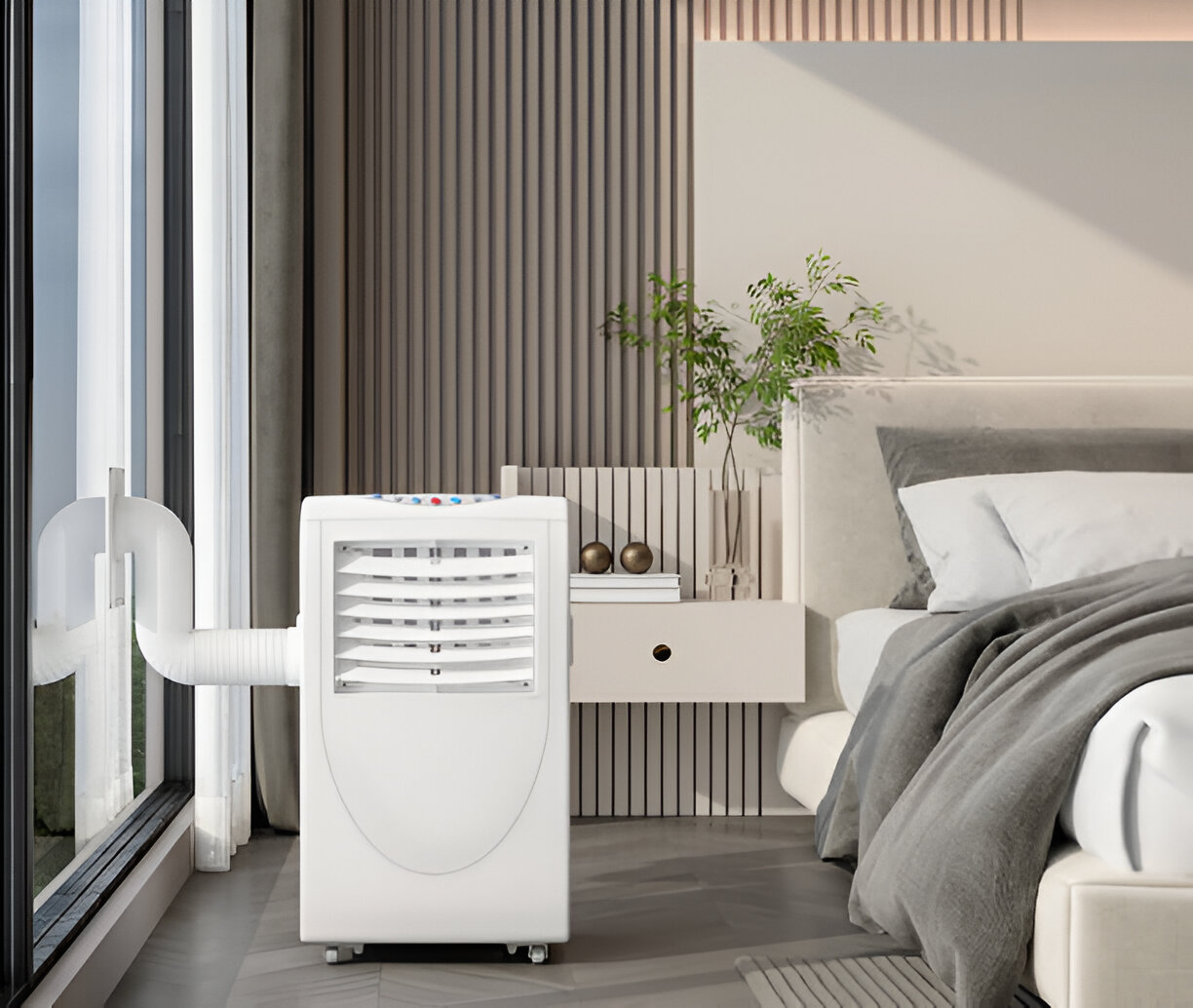
Common ventilation challenges in New Caney, TX
- High indoor humidity. Gulf Coast humidity penetrates building envelopes and adds latent load to air conditioners, causing uncomfortable rooms and potential mold in attics, bathrooms, and crawlspaces.
- Stagnant indoor air and odors. Sealed, energy-efficient homes can trap pollutants, VOCs, and cooking or pet odors without controlled fresh-air exchange.
- Allergens and outdoor particulates. Pollen and construction dust are common; without proper filtration and ventilation strategy, these reduce indoor air quality.
- Imbalanced systems and uneven comfort. Poorly designed or unbalanced ductwork creates pressure differences that pull humid attic or crawlspace air into living spaces.
- Commercial ventilation demands. Restaurants, offices, and small industrial sites need specific exhaust, make-up air, and code-compliant ventilation to manage odors, grease, and indoor air safety.
Ventilation solutions for New Caney homes and businesses
Below are practical, location-appropriate options organized by purpose.
- Mechanical whole-house ventilation
- Balanced systems: Combine supply and exhaust to deliver controlled fresh air without pressurizing or depressurizing the building.
- Supply-only or exhaust-only: Simpler and lower cost, but can create pressure imbalances that draw unconditioned air into the structure.
- ERV (Energy Recovery Ventilator) vs HRV (Heat Recovery Ventilator)
- ERVs: Transfer heat and moisture between incoming and outgoing air. In New Caney’s humid climate, ERVs help control indoor humidity and reduce the cooling load by limiting moisture transfer from the outside.
- HRVs: Transfer sensible heat only and are better suited for cold, dry climates. For most New Caney homes, an ERV is the preferred option.
- Exhaust fans and localized ventilation
- Kitchens and baths: Properly sized, ducted exhaust fans prevent moisture buildup and kitchen grease from migrating into the duct system.
- Attic ventilation: Passive ridge and soffit systems, combined with attic ventilation strategies, reduce attic temperatures and limit heat transfer into living areas. In humid climates, ensure attic ventilation does not introduce moisture into the home through pressure imbalances.
- Crawlspace conditioning: Rather than venting a crawlspace to the outside, consider sealing and conditioning it to reduce moisture and improve indoor air quality.
- Controls and smart ventilation
- Humidity sensors (hygrostats): Trigger ventilation when indoor humidity exceeds setpoints, preventing unnecessary ventilation during high outdoor humidity.
- Demand-controlled ventilation: Uses CO2 sensors and occupancy inputs to provide fresh air only when needed, saving energy in commercial spaces.
Assessment: determining ventilation needs
A proper ventilation plan begins with a comprehensive assessment tailored to New Caney properties.
- Building envelope and occupancy review
- Evaluate construction type, insulation, existing ductwork, and occupancy patterns to estimate ventilation demand.
- Moisture and IAQ inspection
- Identify sources of humidity and pollutants: bathrooms, kitchens, unsealed crawlspaces, water intrusion, or combustion appliances.
- Testing and measurement
- Use blower door testing and duct leakage tests to understand airtightness and duct performance.
- Measure current airflow, relative humidity, and CO2 to define target ventilation rates and controls.
- Code and standard compliance
- Size and configure systems to meet relevant codes and standards for residential and commercial ventilation.
Installation and balancing procedures
Professional installation and careful balancing are essential to get the designed results.
- System layout and ductwork integration
- Locate ERV/HRV units centrally, with insulated, airtight ducts dedicated to supply and exhaust runs.
- Proper duct sealing and insulation
- Seal all connections and insulate ducts in unconditioned spaces to prevent condensation and energy loss.
- Fan selection and noise control
- Choose fans rated for continuous operation at the required cfm, and install vibration isolation and sound attenuators where needed.
- Commissioning and airflow balancing
- Measure and adjust supply and exhaust flows to achieve the targeted ventilation rate and neutral pressure.
- Validate humidity and temperature impacts under typical summer and winter conditions.
- Control integration
- Program humidity controls, timers, or demand sensors so ventilation operates when it improves indoor conditions and minimizes energy waste.
Energy, comfort, and health benefits
Proper ventilation in New Caney delivers measurable benefits beyond fresh air.
- Improved humidity control and reduced cooling load
- ERVs reduce latent moisture transfer, easing the burden on air conditioning and improving comfort during extended humidity seasons.
- Healthier indoor air
- Consistent exchange dilutes pollutants, reduces mold risk, and lowers allergens and VOC concentrations.
- Balanced pressurization and odor control
- Correctly balanced systems prevent backdrafting and the infiltration of attic or crawlspace contaminants.
- Energy efficiency
- Energy recovery and demand-controlled ventilation limit unnecessary heat and moisture transfer, helping to maintain efficient HVAC operation.
Maintenance plans and warranties
Sustained performance requires routine care and a reliable warranty approach.
- Routine maintenance tasks
- Replace or clean filters regularly; check and clean the ERV core seasonally; inspect duct seals annually; confirm fan operation and noise levels.
- Clean exhaust fan ducts and kitchen fan grease traps as needed for safety and efficiency.
- Seasonal checks
- Verify controls and humidity setpoints before peak summer and winter seasons.
- Warranty-backed plans
- Look for maintenance packages that include scheduled inspections and warranty coverage for major components to protect system longevity and performance.
Final considerations for New Caney, TX properties
Selecting the right ventilation strategy in New Caney requires matching system type to climate realities and building characteristics. For most local homes and businesses, a balanced mechanical system with an ERV, properly sized exhaust fans, sealed ductwork, and smart humidity controls delivers the best mix of comfort, energy savings, and indoor air quality. Thorough assessment, professional installation, and a structured maintenance plan ensure the system continues to perform in New Caney’s humid environment, protecting indoor environments from moisture, allergens, and stale air while helping HVAC systems run more efficiently.
Maintenance Plan You Can Rely On
Basic Care
Perfect for newer systems or budget-conscious homeowners wanting essential protection.
$149/year

Annual comprehensive system inspection
Filter replacement (standard filters included)
15% discount on repairs
Priority scheduling within 48 hours
Premium Protection
Ideal for homes with systems 5+ years old or with moderate usage patterns.
$249/year

Bi-annual system inspections (spring & fall)
Filter replacement (premium filters included)
25% discount on all repairs
Priority scheduling within 24 hours
Free diagnostic fees ($89 value)
Elite Coverage
Best for older systems, luxury homes, or properties with critical climate control needs.
$349/year
Quarterly system inspections
All filters and minor parts included
30% discount on major repairs
Same-day emergency service
Extended 2-year warranty on repairs
Annual system efficiency optimization
Basic Care
Perfect for newer systems or budget-conscious homeowners wanting essential protection.
$149/year
Annual comprehensive system inspection
Filter replacement (standard filters included)
15% discount on repairs
Priority scheduling within 48 hours
Premium Protection
Ideal for homes with systems 5+ years old or with moderate usage patterns.
$249/year
Bi-annual system inspections (spring & fall)
Filter replacement (premium filters included)
25% discount on all repairs
Priority scheduling within 24 hours
Free diagnostic fees ($89 value)
Elite Coverage
Best for older systems, luxury homes, or properties with critical climate control needs.
$349/year
Quarterly system inspections
All filters and minor parts included
30% discount on major repairs
Same-day emergency service
Extended 2-year warranty on repairs
Annual system efficiency optimization
Hear What Our Satisfied Clients Have To Say