
Ventilation in Splendora, TX
Ventilation Installation in Splendora, TX: learn how to choose, size, and install balanced ERV/HRV systems for better indoor air quality.
Scroll down to discover more

Ventilation in Splendora, TX
Proper ventilation in Splendora, TX is essential for comfortable, healthy homes and businesses. With hot, humid summers, frequent pollen, and tightly sealed modern buildings, indoor air can quickly become stale, moist, and contaminated. Stat Air Care Air Conditioning & Heating offers professional ventilation solutions to ensure your property remains fresh and breathable throughout the year.
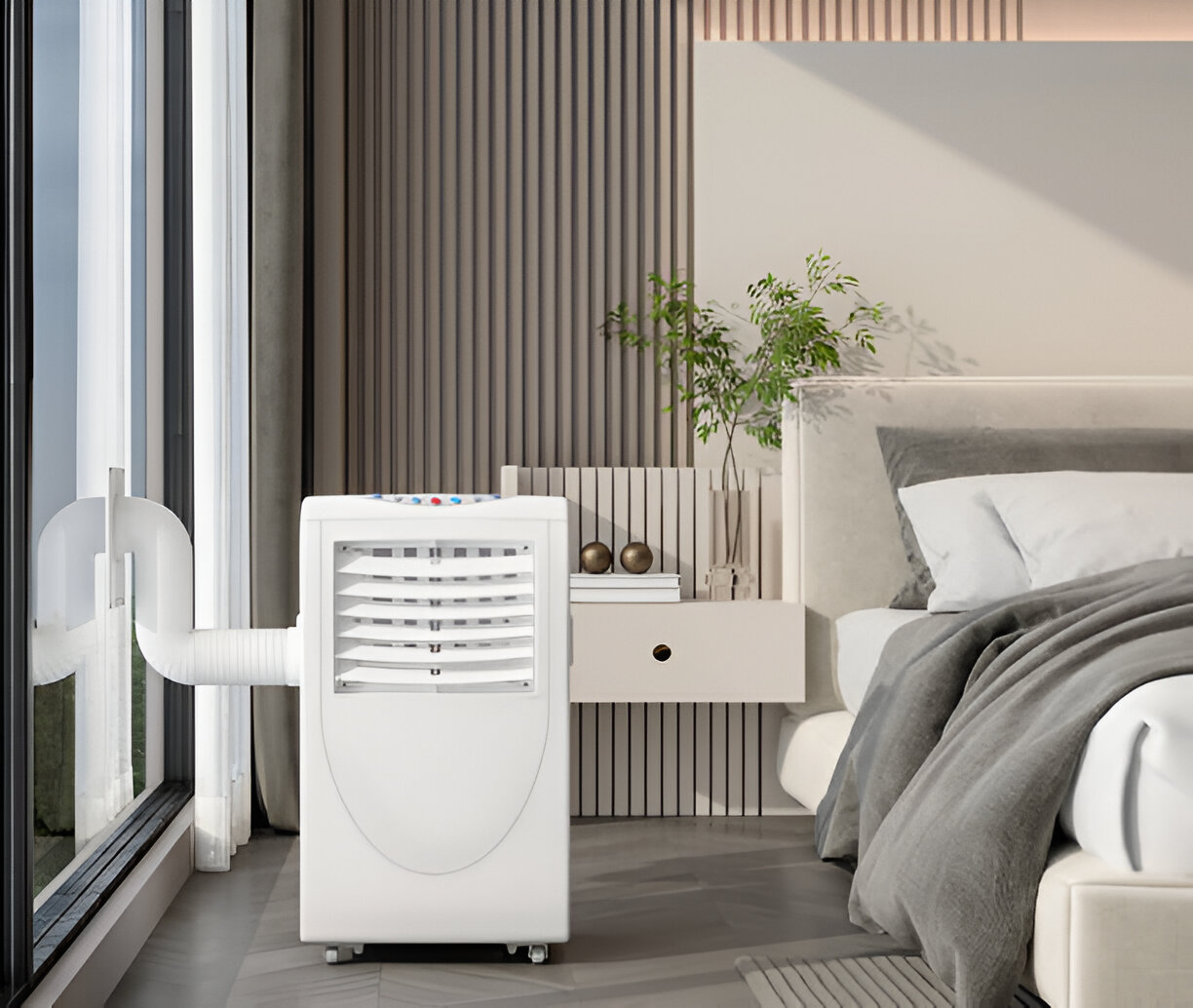
Why ventilation matters in Splendora, TX
Splendora’s Gulf Coast-influenced climate brings high humidity for much of the year. That environment increases the risk of:
- Mold and mildew growth in attics, crawlspaces, and interior spaces
- High indoor relative humidity, causing discomfort and degraded HVAC performance
- Allergen and pollutant build-up, including pollen and vehicle exhaust
- Poor indoor air quality in tightly sealed homes that rely solely on HVAC recirculation
Effective ventilation reduces moisture, dilutes pollutants and odors, prevents condensation damage, and helps HVAC systems operate more efficiently.
Types of ventilation systems
Understanding the core system types helps you choose the right solution for a Splendora home or business.
- Exhaust-only ventilation
- Uses fans to remove indoor air and relies on passive infiltration for makeup air.
- Common for bathrooms and kitchens. Not ideal alone in humid climates because it can draw warm, moist outdoor air into wall cavities and attics.
- Supply-only ventilation
- Pressurizes the building by introducing filtered outdoor air, forcing stale air out through leaks and exhaust vents.
- Good for controlling where fresh air enters; caution in commercial spaces where exhaust requirements must be met.
- Balanced ventilation
- Uses separate supply and exhaust fans to exchange indoor and outdoor air at controlled rates.
- Typically paired with ERV or HRV units for energy recovery and moisture/heat exchange.
- ERV (energy recovery ventilator)
- Transfers both heat and moisture between incoming and outgoing air streams.
- Generally the best option for Splendora homes and businesses because it helps limit outdoor humidity entering the building while maintaining energy efficiency.
- HRV (heat recovery ventilator)
- Transfers heat but not moisture. Better for cold, dry climates; less ideal for Splendora except in specific low-humidity applications.
Common ventilation issues in Splendora, TX
Homes and businesses in the area typically face:
- Persistent high indoor humidity and condensation on windows
- Musty odors and visible mold in closets, basements, and attics
- Stuffy indoor air despite recent HVAC servicing
- Inadequate ventilation in remodeled or tightly sealed buildings
- Improperly located intakes that pull in vehicle exhaust or pollen
- Commercial kitchens and restrooms lacking proper makeup air or exhaust balancing
How to choose the right system
Selecting the right ventilation system involves matching building needs, local climate, and code requirements.
Key selection factors:
- Building use: residential, retail, restaurant, or industrial each have different ventilation rates and makeup air needs
- Occupancy and activity levels: higher occupancy and pollutant-generating activities require higher ventilation rates
- Airtightness: tighter buildings need mechanical ventilation to meet fresh air needs
- HVAC integration: whether the ventilation system will work with existing ductwork and filtration
- Humidity control: in Splendora, prioritize moisture-management features like ERV or whole-house dehumidification
Sizing guidelines:
- Follow ASHRAE 62.2 for residential ventilation rates and ASHRAE 62.1 or local code for commercial spaces
- Common residential target: continuous whole-house ventilation at a rate that achieves required air changes per hour (ACH) or cubic feet per minute (CFM) per occupant and per floor area
- For commercial spaces, use occupancy-based ventilation calculations and consider demand-controlled ventilation (CO2 sensors) for variable occupancy areas
Because static pressure, duct losses, and building layout affect actual performance, professional calculations and airflow verification are essential for correct sizing.
Installation best practices for Splendora properties
Proper installation ensures the system performs as designed and avoids common problems:
- Place outdoor intakes upwind and away from crawlspaces, roof valleys, driveways, and HVAC exhausts to reduce contamination and pollen intake
- Ensure intakes are elevated and protected with screens and bird/insect guards
- Seal and insulate ducts that pass through unconditioned spaces to prevent condensation and energy loss
- Include backdraft dampers and motorized dampers where needed to prevent unwanted airflow when the unit is off
- Integrate ventilation controls with the HVAC system to prevent simultaneous operation that overloads equipment
- Install condensate drains and slope ducts appropriately for ERV/HRV applications to prevent moisture accumulation
- For commercial systems, ensure make-up air is properly tempered and balanced with exhaust hoods, restrooms, and parking garage vents
Maintenance and long-term care
Routine maintenance keeps ventilation systems efficient and protects indoor air quality:
- Inspect and replace filters regularly—check more often during high pollen seasons
- Clean ERV/HRV cores and condensate pans annually, more frequently if the system cycles heavily during humid months
- Verify airflow rates and balance every season and after major HVAC work
- Check and seal duct joints periodically; look for evidence of condensation or mold
- Test controls, timers, and sensors (CO2 or humidity sensors for demand ventilation)
- For commercial ventilation, maintain exhaust hoods, grease filters, and makeup air conditioning components on a scheduled basis
Meeting comfort and code requirements
Meeting comfort goals and code requirements involves both proper equipment selection and verification:
- Use ASHRAE 62.2 as the baseline for residential ventilation requirements and local building codes for commercial mandates
- In Splendora, energy codes may also influence allowable ventilation strategies; energy recovery devices are often favored because they reduce heating and cooling penalties
- Combine ventilation with dehumidification strategies in hot, humid months—continuous fresh air without moisture control can worsen indoor humidity
- Verify combustion appliance safety where ventilation systems change building pressure; a combustion safety test is recommended whenever you alter ventilation pathways
Final considerations for Splendora homes and businesses
Balanced ventilation with an ERV is often the most effective long-term solution for Splendora properties because it brings necessary fresh air while managing outdoor humidity and energy use. For high-pollution times—pollen peaks or regional smoke events—filtered supply ventilation and upgraded filtration in the HVAC system provide added protection.
Proper sizing, professional installation, and a maintenance plan tailored to the local climate will deliver improved indoor air quality, reduced moisture problems, and more consistent comfort year round.
Maintenance Plan You Can Rely On
Basic Care
Perfect for newer systems or budget-conscious homeowners wanting essential protection.
$149/year

Annual comprehensive system inspection
Filter replacement (standard filters included)
15% discount on repairs
Priority scheduling within 48 hours
Premium Protection
Ideal for homes with systems 5+ years old or with moderate usage patterns.
$249/year

Bi-annual system inspections (spring & fall)
Filter replacement (premium filters included)
25% discount on all repairs
Priority scheduling within 24 hours
Free diagnostic fees ($89 value)
Elite Coverage
Best for older systems, luxury homes, or properties with critical climate control needs.
$349/year
Quarterly system inspections
All filters and minor parts included
30% discount on major repairs
Same-day emergency service
Extended 2-year warranty on repairs
Annual system efficiency optimization
Basic Care
Perfect for newer systems or budget-conscious homeowners wanting essential protection.
$149/year
Annual comprehensive system inspection
Filter replacement (standard filters included)
15% discount on repairs
Priority scheduling within 48 hours
Premium Protection
Ideal for homes with systems 5+ years old or with moderate usage patterns.
$249/year
Bi-annual system inspections (spring & fall)
Filter replacement (premium filters included)
25% discount on all repairs
Priority scheduling within 24 hours
Free diagnostic fees ($89 value)
Elite Coverage
Best for older systems, luxury homes, or properties with critical climate control needs.
$349/year
Quarterly system inspections
All filters and minor parts included
30% discount on major repairs
Same-day emergency service
Extended 2-year warranty on repairs
Annual system efficiency optimization
Hear What Our Satisfied Clients Have To Say