
Ventilation in The Woodlands, TX
Learn how proper ventilation in The Woodlands, TX improves air quality with ERV/HRV options, sizing guidance, and installation tips.
Scroll down to discover more

Ventilation in The Woodlands, TX
Proper ventilation is one of the most important but often overlooked upgrades for homes and commercial properties in The Woodlands, TX. With hot, humid summers, high outdoor pollen and periodic storm-driven humidity, inadequate ventilation leads quickly to indoor moisture, mold growth, lingering odors, and poor indoor air quality. Stat Air Care Air Conditioning & Heating specializes in advanced ventilation systems to protect your property and health.
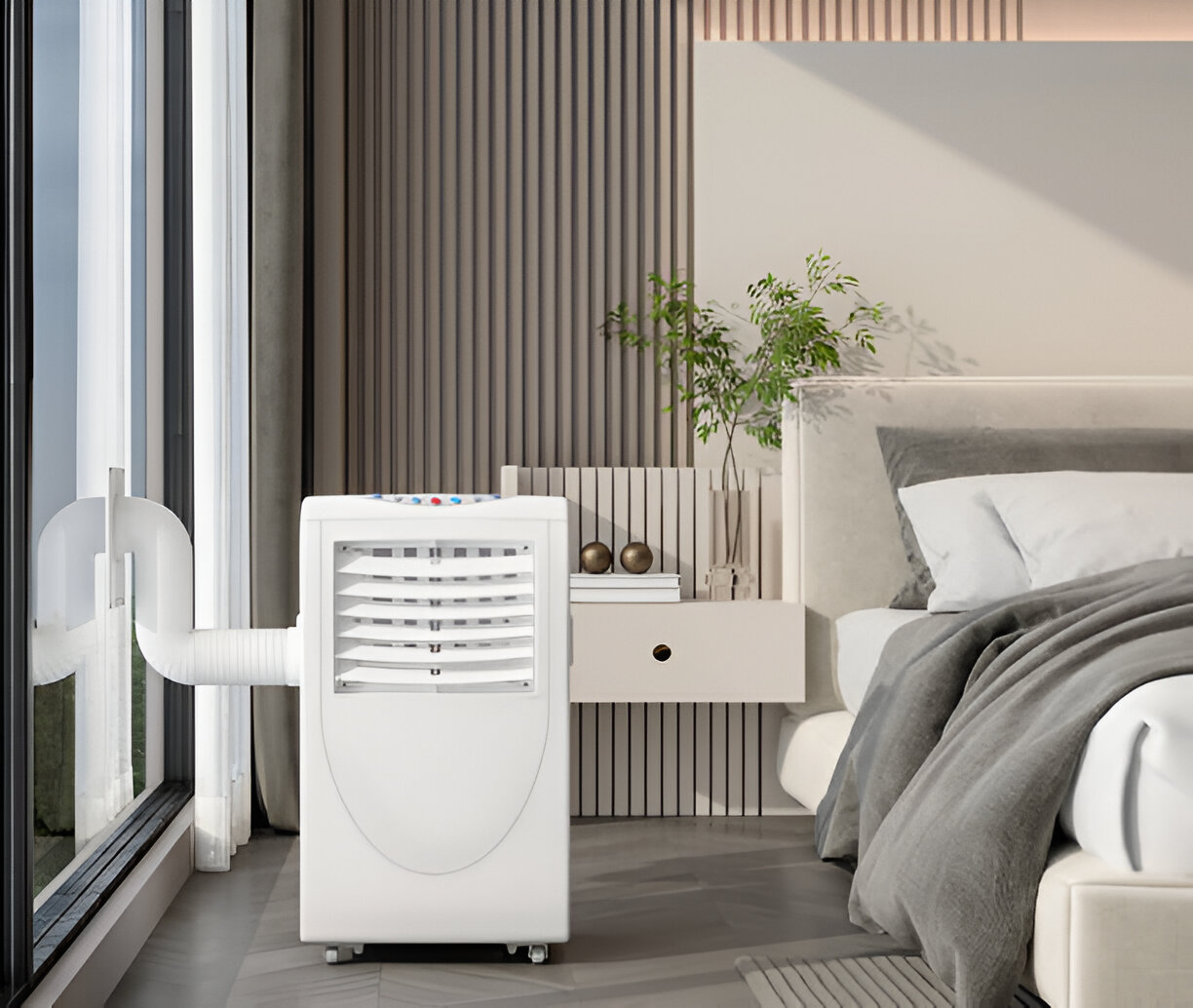
Why ventilation matters in The Woodlands, TX
- High outdoor humidity and frequent summer storms increase interior moisture loads; without mechanical control this accelerates mold and mildew.
- Dense tree cover elevates seasonal pollen and outdoor particulates that can infiltrate homes and businesses.
- Modern building envelopes are tighter for energy efficiency, which reduces natural air leakage and makes mechanical ventilation essential to maintain healthy indoor air.
- Commercial spaces with variable occupancy need ventilation strategies that control odors, CO2, and process pollutants while conserving energy.
Common ventilation problems in The Woodlands
- Persistent indoor humidity and musty smells, especially after rainy periods
- Condensation on windows, attic or crawlspace moisture accumulation
- Stale air, headaches, and odors in tight, renovated homes
- Bathroom and kitchen grease, moisture and odors not exhausted effectively
- Uneven ventilation in multi-zone commercial layouts causing hot spots or poor air distribution
Types of ventilation systems and when to choose them
- Supply ventilation
- Mechanically introduces filtered outdoor air using a supply fan.
- Useful when positive pressure is acceptable to keep dust and allergens out.
- Often paired with central HVAC for distribution.
- Exhaust ventilation
- Removes indoor air via an exhaust fan, drawing replacement outdoor air through leaks or intentional inlets.
- Common for bathrooms, kitchens, and spot ventilation; simple and cost-effective for older, leakier homes.
- Balanced ventilation
- Uses matched supply and exhaust fans to control airflow precisely.
- Best for tight, energy-efficient homes because it prevents pressure imbalances and helps with humidity control.
- ERV (energy recovery ventilator)
- Transfers both heat and sensible moisture between incoming and outgoing air streams.
- Recommended in hot-humid climates like The Woodlands when you need moisture control alongside energy recovery.
- HRV (heat recovery ventilator)
- Transfers heat but not moisture. Better suited to cold, dry climates.
- Less optimal for The Woodlands than ERV due to local humidity considerations.
Benefits for indoor air quality and moisture control
- Reduces indoor pollutants: VOCs, CO2, cooking and cleaning fumes, and particulates
- Controls humidity and lowers mold risk in attics, crawlspaces, bathrooms and basements
- Improves comfort and perceived air freshness without overcooling or overworking the HVAC system
- Enables targeted exhaust of odors and pollutants at the source (kitchens, bathrooms, laundry, commercial processes)
System selection and sizing principles
- Selection should be driven by building tightness, occupancy patterns, indoor pollutant sources, and existing HVAC distribution.
- Use industry ventilation standards and local code requirements as the baseline for determining required airflow; professionals calculate needed supply/exhaust CFM based on floor area, occupancy and room function.
- Consider continuous low-rate ventilation for residential spaces and demand-based or scheduled ventilation for commercial spaces with variable occupancy.
- In The Woodlands, prioritize ERV systems for whole-house balanced ventilation to manage humid outdoor air while recovering energy.
- Duct layout and distribution matter: a high-quality central distribution or dedicated fresh air duct network reduces noise and prevents short-circuiting of ventilation air.
Integration with existing HVAC
- Ventilation systems can tie into existing furnace or air handler ductwork for distribution; careful damper and control integration prevents undue airflow interference.
- Supply ventilation can be ducted to the return plenum with a dedicated fan and controls to prefilter and precondition outdoor air.
- Balanced ERV/HRV installations typically have their own small duct runs and a bypass strategy for seasons where recovery is not desired.
- Smart controls and CO2 or humidity sensors allow demand-controlled ventilation that reduces energy use while maintaining air quality.
- Combustion safety must be evaluated: any ventilation strategy that changes house pressure should be tested for backdrafting of combustion appliances.
Installation and commissioning process
- Site survey: assess building envelope, existing HVAC, pollutant sources, and moisture issues.
- System selection: choose supply, exhaust, or balanced approach and decide ERV vs HRV for balanced systems.
- Sizing and duct design: determine fan capacity and run layout to ensure even distribution and proper static pressure handling.
- Installation: mount equipment, route insulated ducts, install filters and condensate management, and coordinate with HVAC for supply connections.
- Commissioning: measure actual CFM, verify pressure relationships, check drainage for ERVs, and adjust controls and sensor setpoints.
Maintenance and seasonal guidance
- Regular filter changes on ventilation units and any integrated fresh air intake filters prevent allergen and pollen buildup.
- Inspect and clean ERV/HRV cores and condensate trays at least annually, more often in high-pollen seasons.
- Check intake and exhaust terminations for obstructions after storms and during tree-pollen periods.
- Test ventilation airflow and house pressure after major HVAC changes or envelope upgrades.
- For humid months check dehumidification strategies: ventilation plus whole-house dehumidification or setpoint adjustments may be needed to prevent indoor RH rising above comfort range.
Code, safety, and health considerations
- Follow local building codes and recognized standards for ventilation rates and appliance safety; ensure ventilation does not create dangerous depressurization that can cause backdrafting from gas appliances.
- For multi-unit or commercial buildings, comply with ventilation minimums per occupancy and use specialized exhaust for kitchens, restrooms and process areas.
- Monitor indoor humidity and mold risk proactively; mechanical ventilation that brings in humid outdoor air without moisture control can worsen indoor humidity in hot, humid climates if not paired with dehumidification or ERV.
- Consider indoor air quality sampling if occupants report health symptoms; elevated CO2, VOCs or particulate levels indicate a need for increased ventilation or filtration.
Practical improvements to reduce odors, pollutants, and humidity
- Install localized exhaust fans in kitchens and bathrooms vented to outdoors and sized to remove moisture at the source.
- Use a balanced ERV for whole-house ventilation to bring fresh air in while exchanging moisture and heat.
- Add filtration at ventilation intakes: MERV-rated filters reduce pollen and fine particulates before distribution.
- Combine mechanical ventilation with a whole-house dehumidifier during hot, humid months to keep indoor relative humidity in a healthy range.
- Implement demand-control ventilation in classrooms, conference rooms and larger commercial spaces to maintain comfort while conserving energy.
Ventilation upgrades in The Woodlands are both a health and comfort improvement. A properly specified and installed system—especially balanced ERV solutions in this climate—addresses humidity, reduces allergens and pollutants, and protects building assemblies from moisture-related damage. Regular maintenance and thoughtful integration with existing HVAC will keep indoor air fresh, safe and comfortable year-round.
Maintenance Plan You Can Rely On
Basic Care
Perfect for newer systems or budget-conscious homeowners wanting essential protection.
$149/year

Annual comprehensive system inspection
Filter replacement (standard filters included)
15% discount on repairs
Priority scheduling within 48 hours
Premium Protection
Ideal for homes with systems 5+ years old or with moderate usage patterns.
$249/year

Bi-annual system inspections (spring & fall)
Filter replacement (premium filters included)
25% discount on all repairs
Priority scheduling within 24 hours
Free diagnostic fees ($89 value)
Elite Coverage
Best for older systems, luxury homes, or properties with critical climate control needs.
$349/year
Quarterly system inspections
All filters and minor parts included
30% discount on major repairs
Same-day emergency service
Extended 2-year warranty on repairs
Annual system efficiency optimization
Basic Care
Perfect for newer systems or budget-conscious homeowners wanting essential protection.
$149/year
Annual comprehensive system inspection
Filter replacement (standard filters included)
15% discount on repairs
Priority scheduling within 48 hours
Premium Protection
Ideal for homes with systems 5+ years old or with moderate usage patterns.
$249/year
Bi-annual system inspections (spring & fall)
Filter replacement (premium filters included)
25% discount on all repairs
Priority scheduling within 24 hours
Free diagnostic fees ($89 value)
Elite Coverage
Best for older systems, luxury homes, or properties with critical climate control needs.
$349/year
Quarterly system inspections
All filters and minor parts included
30% discount on major repairs
Same-day emergency service
Extended 2-year warranty on repairs
Annual system efficiency optimization
Hear What Our Satisfied Clients Have To Say