
Ventilation in Willis, TX
Ventilation services in Willis, TX improve IAQ, humidity control, and comfort for homes and businesses. Learn more today.
Scroll down to discover more

Ventilation in Willis, TX
Living and working in Willis, TX means dealing with high heat, persistent humidity, and seasonal pollen that all affect indoor air quality. Proper ventilation is the most effective way to manage indoor humidity, reduce allergens and pollutants, prevent mold growth, and keep conditioned air efficient. Stat Air Care Air Conditioning & Heating is here to help you implement the best ventilation strategies for your specific needs.
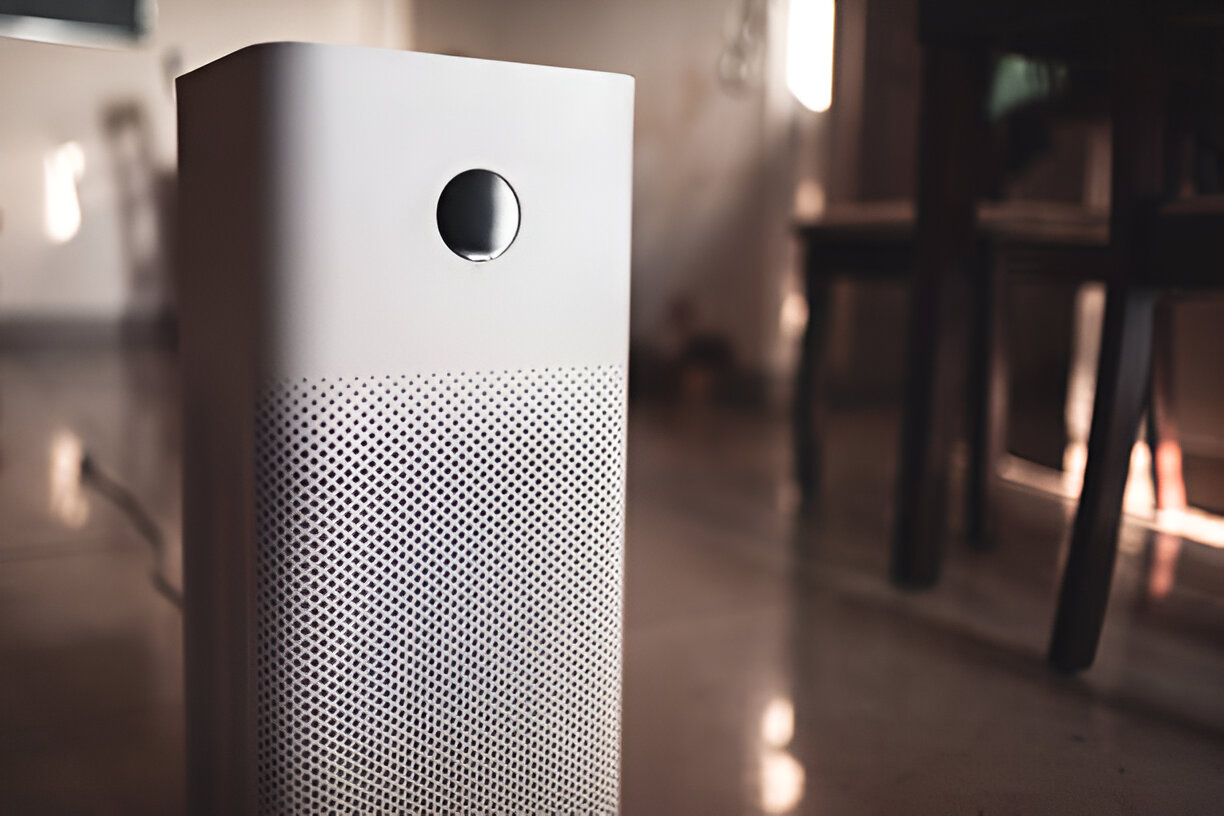
Why ventilation matters in Willis, TX
Willis sits in a humid subtropical climate: hot summers, mild winters, and frequent humidity spikes. That environment increases the risk of:
- Mold and mildew growth in poorly ventilated spaces
- Persistent indoor humidity and condensation on windows
- Elevated allergens and VOC accumulation
- Higher cooling loads when fresh air is brought in without heat recovery
For tighter, energy-efficient homes, mechanical ventilation is essential to provide controlled, balanced outdoor air without wasting energy or inviting excess humidity. For businesses, code-driven ventilation and occupant comfort make a measurable difference in productivity and customer experience.
Common ventilation issues in Willis, TX
Homeowners and business owners in Willis frequently encounter the following problems:
- High indoor humidity and musty odors caused by inadequate fresh air exchange
- Uneven airflow and stagnant rooms where contaminants accumulate
- Negative pressure and backdrafting of combustion appliances when exhaust is unbalanced
- Excessive cooling energy use from uncontrolled makeup air in summer
- Poor indoor air quality in sealed buildings with low natural infiltration
- Failure to meet ventilation code or recommended ventilation rates for commercial spaces
Ventilation solutions and system types
Selecting the right ventilation approach depends on building type, occupancy patterns, and humidity control needs. Key options include:
- Whole-home mechanical ventilation: Controlled, continuous fresh air exchange sized to meet recommended ventilation rates. Works best when integrated with HVAC for balanced delivery.
- Balanced supply/exhaust systems: Simultaneously bring in supply air and exhaust stale air to maintain neutral pressure and prevent backdrafting.
- ERV (Energy Recovery Ventilator): Transfers both sensible heat and a portion of moisture between the incoming and outgoing air streams. In Willis’ humid climate, an ERV is often the preferred option because it reduces moisture load brought in with outdoor air during summer.
- HRV (Heat Recovery Ventilator): Transfers heat but not moisture. Better suited to very dry climates; less ideal for Willis unless paired with dehumidification.
- Demand-controlled ventilation (DCV): Uses CO2 or occupancy sensors to vary ventilation rates with actual use — highly effective for offices, classrooms, and retail spaces with fluctuating occupancy.
- Spot ventilation and makeup air: High-capacity exhaust for kitchens, bathrooms, laundry rooms, and garages; makeup air handlers to replace exhausted air without creating negative pressure.
- Integrated dehumidification: When outdoor humidity is extreme, pairing ventilation with a whole-home dehumidifier or HVAC dehumidification strategy helps maintain comfort while allowing fresh air.
Assessment and performance testing
A professional assessment of ventilation performance typically includes:
- Inspecting existing ductwork, exhaust pathways, and vent locations
- Measuring airflow rates (CFM) and whole-house air changes per hour (ACH)
- Monitoring indoor CO2, relative humidity, and temperature to detect occupancy-related issues
- Checking for combustion appliance backdrafting and pressure imbalances
- Evaluating energy impacts and recommending heat/moisture recovery options
These diagnostics reveal whether current ventilation meets recommended standards, where leaks or restrictions exist, and which solution will deliver the best balance of IAQ and energy efficiency for Willis homes and businesses.
Installation and HVAC integration
Proper installation ensures ventilation works with, not against, your HVAC system:
- Equipment sizing: Choose ventilation capacity based on building size, occupancy, and local code/standard guidance.
- Ducting and placement: Balanced systems require dedicated, insulated duct runs and strategic vent locations to avoid short-circuiting fresh air to exhaust.
- Controls and sequencing: Integrate ventilation with your HVAC thermostat, humidity controls, and any demand sensors to prevent simultaneous operation that overloads cooling in summer.
- Recovery technology: ERVs reduce the sensible and latent load during hot, humid months, cutting cooling energy penalty.
- Commissioning: Final testing of airflow, pressure relationships, and controls is essential to ensure the system meets design intent.
Energy and code considerations
Energy efficiency and code compliance are central to any ventilation strategy:
- Energy recovery (ERV/HRV) mitigates added HVAC load by recovering heat and some moisture, lowering operating costs.
- Variable-speed fans and smart controls reduce runtime and electricity use while delivering required ventilation.
- Systems should be sized to meet applicable ventilation standards for dwellings and commercial spaces to ensure occupant health and regulatory compliance.
- For Willis properties, prioritize solutions that manage latent load (moisture) to avoid running the air conditioner more often.
Maintenance needs
To keep ventilation systems performing in Willis’ climate, routine maintenance is essential:
- Replace or clean filters on intake and ERV/HRV cores per manufacturer recommendations
- Inspect and clean heat/enthalpy cores annually; more often if pollen and dust loads are high
- Check fan operation and lubrication, belts, and bearings
- Flush condensate drains and verify condensate traps for integrated dehumidifiers
- Recalibrate CO2 and humidity sensors for DCV systems periodically
- Re-test system airflow and balancing after major duct or HVAC work
Recommended options by building type in Willis
- Older, leaky homes: A balanced ERV with duct improvement and targeted dehumidification provides controlled fresh air without overwhelming the AC.
- New construction or tightly sealed homes: Whole-home ERV integrated with HVAC and a dehumidification strategy to manage latent loads.
- Single-room problem areas (baths, kitchens): High-capacity exhaust fans with timed or humidity controls and makeup air to prevent negative pressure.
- Offices, classrooms, retail: DCV with CO2 monitoring plus an ERV for energy-efficient continuous ventilation during occupied hours.
- Restaurants and commercial kitchens: Powerful exhaust hoods with properly sized makeup air units and heat/moisture recovery where feasible.
Benefits for comfort, health, and property
Proper ventilation in Willis, TX delivers measurable benefits:
- Lower indoor humidity and reduced mold/mildew risk
- Improved respiratory health through reduced allergens, VOCs, and CO2
- More consistent comfort and reduced odors
- Reduced HVAC energy consumption when recovery technologies are used
- Compliance with ventilation standards and improved indoor environmental quality for occupants and customers
A tailored ventilation strategy for Willis properties balances humidity control, energy efficiency, and occupant health. With the right assessment, equipment choice, and integration with your HVAC system, ventilation becomes a durable solution that protects comfort and indoor air quality year-round.
Maintenance Plan You Can Rely On
Basic Care
Perfect for newer systems or budget-conscious homeowners wanting essential protection.
$149/year

Annual comprehensive system inspection
Filter replacement (standard filters included)
15% discount on repairs
Priority scheduling within 48 hours
Premium Protection
Ideal for homes with systems 5+ years old or with moderate usage patterns.
$249/year

Bi-annual system inspections (spring & fall)
Filter replacement (premium filters included)
25% discount on all repairs
Priority scheduling within 24 hours
Free diagnostic fees ($89 value)
Elite Coverage
Best for older systems, luxury homes, or properties with critical climate control needs.
$349/year
Quarterly system inspections
All filters and minor parts included
30% discount on major repairs
Same-day emergency service
Extended 2-year warranty on repairs
Annual system efficiency optimization
Basic Care
Perfect for newer systems or budget-conscious homeowners wanting essential protection.
$149/year
Annual comprehensive system inspection
Filter replacement (standard filters included)
15% discount on repairs
Priority scheduling within 48 hours
Premium Protection
Ideal for homes with systems 5+ years old or with moderate usage patterns.
$249/year
Bi-annual system inspections (spring & fall)
Filter replacement (premium filters included)
25% discount on all repairs
Priority scheduling within 24 hours
Free diagnostic fees ($89 value)
Elite Coverage
Best for older systems, luxury homes, or properties with critical climate control needs.
$349/year
Quarterly system inspections
All filters and minor parts included
30% discount on major repairs
Same-day emergency service
Extended 2-year warranty on repairs
Annual system efficiency optimization
Hear What Our Satisfied Clients Have To Say