
Heat Pump Inspection in Splendora, TX
Schedule a heat pump inspection in Splendora, TX to protect comfort and efficiency. Learn more and book your service today.
Scroll down to discover more

Heat Pump Inspection in Splendora, TX
A professional heat pump inspection from Stat Air Care Air Conditioning & Heating in Splendora, TX protects your comfort, your energy bills, and the lifespan of your system. In East Texas’ hot, humid summers and unpredictable storm seasons, heat pumps work hard — and small problems left unchecked become expensive failures during peak demand. A comprehensive inspection identifies safety issues, efficiency losses, and wear before they become urgent repairs, helping homes in Splendora stay reliably comfortable year round.
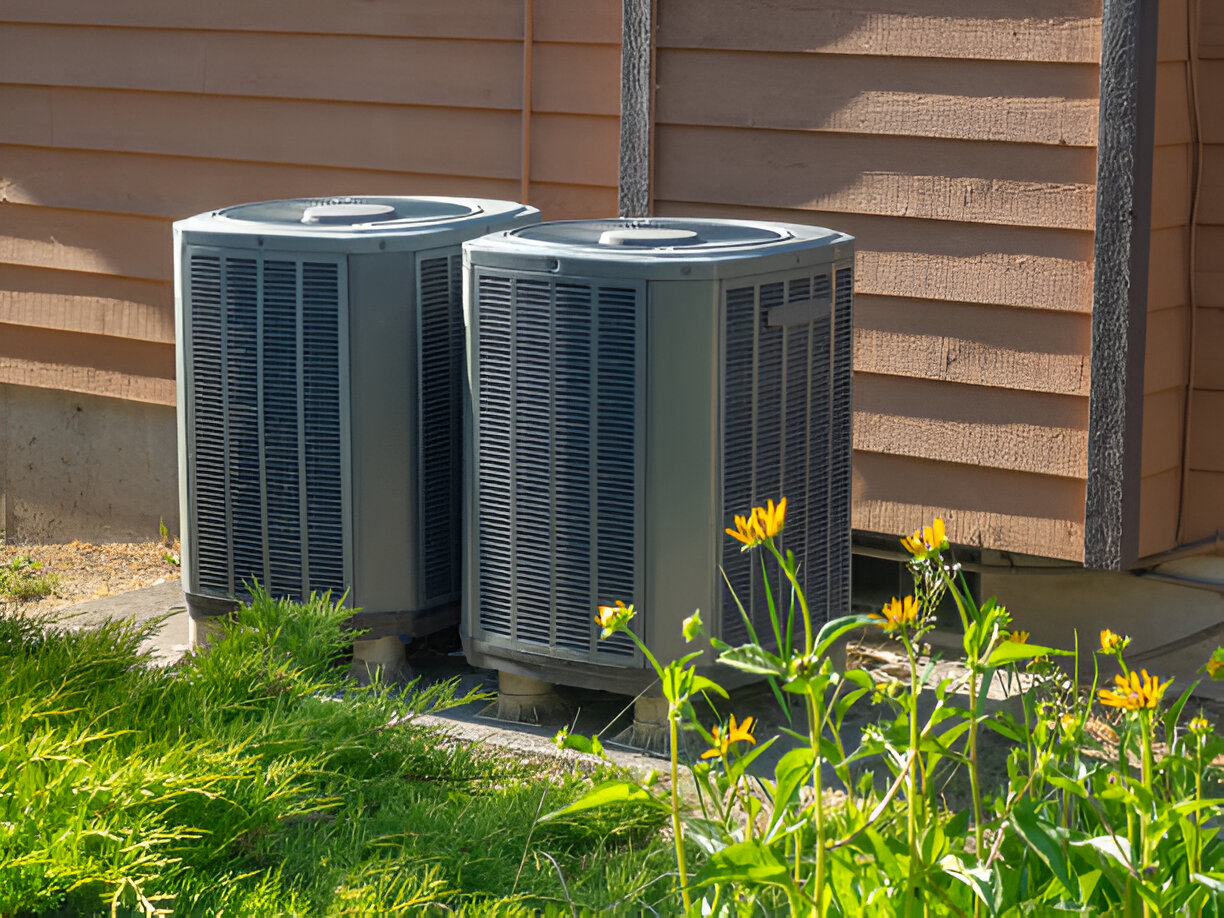
Why a heat pump inspection matters in Splendora, TX
Splendora’s humid subtropical climate means heat pumps run long hours for cooling and dehumidification. Common local stressors include:
- High humidity and pollen, which accelerate coil fouling and clog filters
- Heavy summer runtimes that increase compressor stress and electrical wear
- Periodic storms and power interruptions that can damage controls and capacitors
- Mature tree cover in many neighborhoods, leading to debris accumulation on outdoor coils
An inspection tailored to these conditions helps prevent mid-summer failures, reduces energy waste, and maintains healthy indoor air quality.
Common use cases for heat pump inspections
- Pre-purchase inspection: Verify system condition and expected remaining service life before closing on a Splendora home.
- Seasonal preventative check: Spring or fall inspections to prepare the system for cooling or heating seasons.
- Pre-warranty expiration review: Document condition and address defects prior to warranty deadlines.
- Post-storm or outage check: Confirm no damage after power events or severe weather.
- After repair or service verification: Ensure repairs were completed and the system is operating correctly.
What a comprehensive inspection covers
A full heat pump inspection is systematic and documented. Typical inspection elements include:
- System performance assessment: Measure temperature rise/drop (temperature split) and run-time behaviors to evaluate overall efficiency.
- Visual and operational checks: Inspect outdoor unit and indoor air handler for physical damage, corrosion, debris, and abnormal noises while cycling the system through heating and cooling modes.
- Refrigerant evaluation: Check refrigerant charge and pressures (where accessible) and look for signs of leaks or undercharging that reduce capacity.
- Airflow measurements: Evaluate return and supply airflow, check static pressure when needed, and verify filter condition and register obstructions.
- Electrical safety and controls: Test capacitors, contactors, fuses, breakers, thermostat calibration, and control wiring for safe, reliable operation.
- Defrost and reversing valve checks: For heating season, confirm the heat pump’s defrost cycle and reversing valve operate properly.
- Duct and filter condition: Inspect ductwork for obvious leaks, disconnected runs, or insulation issues; review filter type and recommend replacement frequency.
- Condensate and drain inspection: Ensure drain lines, pans, and secondary safeties are clear and functioning to prevent water damage.
- Heat exchanger and coil condition: Visual check of indoor evaporator coil and outdoor condenser coil for blocking, corrosion, or scale.
Diagnostic tools and measurements explained
Inspections combine visual inspection with targeted diagnostic tests:
- Temperature split (supply vs return) tells if evaporator coil and refrigerant are doing their job.
- Refrigerant pressures and superheat/subcooling (measured when included) indicate if the system is properly charged.
- Amp draw measurements of compressors and fans uncover motors drawing too much current (a sign of impending failure).
- Static pressure or CFM checks identify airflow restrictions that reduce efficiency and risk freeze-ups.These measurements are performed in accessible, safe ways and results are interpreted to recommend only necessary repairs.
Reporting and recommended next steps
Every inspection includes a clear, prioritized report that typically contains:
- An executive summary of overall system condition
- Safety-critical issues that require immediate attention
- Efficiency or performance concerns (leaks, low airflow, dirty coils)
- Suggested repairs or replacements, with rationale and expected impact on comfort and energy use
- Estimated remaining service life and options for phased upgrades (e.g., thermostats, zoning, or a new, higher-efficiency unit)
Reports focus on practical next steps: safety items first, then repairs that deliver the biggest improvement in comfort and savings. For pre-purchase inspections, reports are structured to support negotiation or planned budgeting for expected work.
Typical inspection scope options (fee structure overview)
Inspections are commonly offered as tiered packages to suit different needs:
- Basic visual and operational check: Surface-level inspection of major components and a performance snapshot.
- Comprehensive diagnostic inspection: Includes refrigerant and airflow testing, electrical diagnostics, and detailed reporting.
- Pre-purchase or real estate-focused inspection: Comprehensive diagnostics with documentation formatted for buyers and sellers.
Fees vary based on system size, complexity (e.g., multi-zone ductless systems), and the depth of diagnostic testing requested. Inspection providers in Splendora generally offer transparent pricing and will explain package differences so you can choose the level of detail you need.
Common findings and practical solutions
Frequent issues found during Splendora inspections and how they’re typically addressed:
- Dirty coils and clogged filters: Coil cleaning and filter replacement restore capacity and lower run times.
- Low refrigerant or leaks: Leak detection, repair, and proper recharge to factory-recommended levels.
- Restricted airflow: Repair or replacement of damaged ductwork, cleaning of return paths, and addressing blocked registers.
- Electrical wear: Replace worn capacitors, contactors, or correct voltage issues to prevent compressor failure.
- Thermostat or control faults: Recalibration or replacement for accurate temperature control and efficient set-back strategies.
Long-term benefits of regular inspections
Routine heat pump inspections extend equipment life, lower energy bills, improve comfort consistency, and reduce the chance of emergency breakdowns during Splendora heat waves. They also protect indoor air quality by catching mold, moisture, and filtration problems early. For buyers or homes with warranty coverage, inspections create documented records that can be valuable for claims or resale.
Maintenance tips between inspections
- Change or clean filters every 1 to 3 months depending on use and pollen levels.
- Keep outdoor unit clear of leaves, grass, and debris; trim vegetation at least 2 feet away.
- Monitor for unusual noises, odors, or frequent cycling and schedule an inspection if they appear.
- Maintain consistent thermostat settings and avoid aggressive set-backs that force long recovery runs.
- Schedule at least one comprehensive inspection annually; in Splendora, consider spring for cooling preparation and fall for heating readiness.
A thorough heat pump inspection gives Splendora homeowners the factual information they need to make confident maintenance and replacement decisions. Inspections diagnose performance and safety issues in plain terms, prioritize action, and document system condition so you can plan repairs and upgrades with clarity.
Maintenance Plan You Can Rely On
Basic Care
Perfect for newer systems or budget-conscious homeowners wanting essential protection.
$149/year

Annual comprehensive system inspection
Filter replacement (standard filters included)
15% discount on repairs
Priority scheduling within 48 hours
Premium Protection
Ideal for homes with systems 5+ years old or with moderate usage patterns.
$249/year

Bi-annual system inspections (spring & fall)
Filter replacement (premium filters included)
25% discount on all repairs
Priority scheduling within 24 hours
Free diagnostic fees ($89 value)
Elite Coverage
Best for older systems, luxury homes, or properties with critical climate control needs.
$349/year
Quarterly system inspections
All filters and minor parts included
30% discount on major repairs
Same-day emergency service
Extended 2-year warranty on repairs
Annual system efficiency optimization
Basic Care
Perfect for newer systems or budget-conscious homeowners wanting essential protection.
$149/year
Annual comprehensive system inspection
Filter replacement (standard filters included)
15% discount on repairs
Priority scheduling within 48 hours
Premium Protection
Ideal for homes with systems 5+ years old or with moderate usage patterns.
$249/year
Bi-annual system inspections (spring & fall)
Filter replacement (premium filters included)
25% discount on all repairs
Priority scheduling within 24 hours
Free diagnostic fees ($89 value)
Elite Coverage
Best for older systems, luxury homes, or properties with critical climate control needs.
$349/year
Quarterly system inspections
All filters and minor parts included
30% discount on major repairs
Same-day emergency service
Extended 2-year warranty on repairs
Annual system efficiency optimization
Hear What Our Satisfied Clients Have To Say