
Heat Pump Installation in Kingwood, TX
Heat pump installation in Kingwood, TX delivers reliable comfort with precise sizing, proper commissioning, and improved energy efficiency.
Scroll down to discover more

Heat Pump Installation in Kingwood, TX
Choosing the right heat pump and getting it installed correctly by Stat Air Care Air Conditioning & Heating is one of the most effective ways to keep Kingwood, TX homes comfortable year-round while controlling energy costs. With hot, humid summers and mild winters, properly sized and commissioned heat pumps deliver reliable cooling, effective dehumidification, and efficient heating during shoulder seasons. This page explains the complete heat pump installation process, common local issues, and the practical decisions that lead to lasting comfort and lower utility bills.
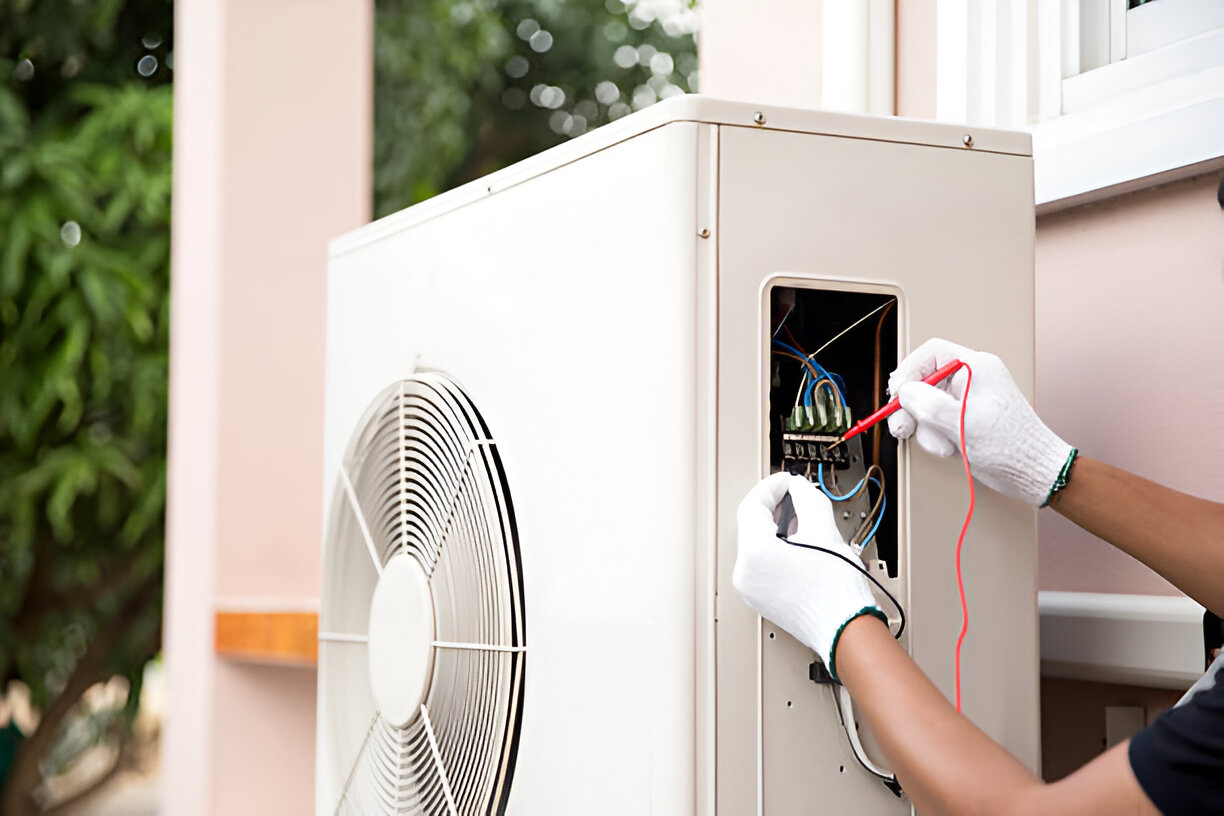
Why a proper heat pump installation matters in Kingwood, TX
Kingwood’s humid subtropical climate means cooling is the primary load for most of the year. High humidity and frequent subtropical storms can stress equipment and reveal weaknesses in ductwork, insulation, and system sizing. A correctly installed heat pump:
- Provides more even temperatures and better humidity control
- Reduces short cycling that increases wear and energy use
- Maintains efficiency in high-load summer conditions
- Lowers the risk of moisture-related problems in the home
Common heat pump issues in Kingwood, TX
Homeowners in Kingwood often face specific challenges that impact heat pump performance:
- Oversized or undersized equipment — leads to short cycling or inadequate comfort.
- Poor dehumidification — feels sticky indoors despite cool temperatures.
- Leaky or uninsulated ductwork — common in older or multi-level homes, reducing effective capacity.
- Reduced efficiency from storm damage or improper outdoor unit placement — debris, flooding risk, and inadequate airflow.
- Aging systems with R22 refrigerant — harder to service and less efficient than modern units.
Understanding these issues helps guide the installation process and equipment choices.
Heat pump installation process — what to expect
A thorough installation follows clear, industry-standard steps that prioritize accuracy, performance, and safety. Key phases include:
- On-site consultation
- A technician inspects the home layout, attic, crawlspace, and existing ductwork.
- Discussion of comfort goals, budget, and preferences (e.g., single-stage vs variable-speed, single system vs multi-zone).
- Assessment of electrical service capacity and outdoor unit placement considering storm and flood risk in Kingwood neighborhoods.
- Load calculation and unit selection
- A detailed load calculation (Manual J) determines the exact heating and cooling needs based on square footage, insulation, window orientation, occupancy, and local climate factors.
- Equipment selection uses the load result (and Manual S guidance) to choose a heat pump with the right capacity and efficiency rating (SEER and HSPF).
- Considerations include variable-speed compressors, inverter technology, and compatibility with zoning controls for multi-story Kingwood homes.
- Pre-installation preparation
- Plan for ductwork repairs, insulation upgrades, and electrical work if needed.
- Properly size refrigerant lines and select an appropriate condensate drain strategy to prevent backups and biological growth in humid conditions.
- Installation steps
- Safe removal of the old unit and proper disposal of refrigerants when present.
- Secure placement of the outdoor unit on a stable pad or elevated platform to handle heavy rains.
- Install indoor air handler or coil, connect refrigerant lines, electrical, and drain lines.
- Seal and insulate all ducts and refrigerant lines to maintain efficiency.
- System commissioning and testing
- Evacuate and pressure-test refrigerant lines for leaks, then charge the system to manufacturer specifications using superheat/subcooling or weight method.
- Measure airflow, static pressure, and temperature split to confirm design performance.
- Verify thermostat calibration, control wiring, and defrost cycle operation.
- Run a full performance check under both cooling and heating modes and document the results.
Energy-efficiency and comfort considerations for Kingwood homes
Energy-efficient choices matter more in regions with long cooling seasons. Consider:
- Higher SEER and HSPF ratings for reduced seasonal energy use.
- Variable-speed or two-stage compressors for quieter operation, better humidity control, and improved part-load efficiency common in Kingwood’s climate.
- Smart thermostats and zoning to control temperatures for upper and lower floors separately.
- Duct sealing and insulation to prevent conditioned air loss—especially important in older Kingwood homes or those with attic duct runs.
- Proper outdoor unit placement to ensure unobstructed airflow and protection from debris and flooding.
Post-installation support and warranty
Quality installations include documented warranty coverage for both parts and labor as well as manufacturer warranties. Typical post-installation support elements include:
- Written equipment and workmanship warranty details and documentation.
- Recommendations for scheduled maintenance (biannual tune-ups are common) to preserve efficiency and extend system life.
- Guidance on registering the equipment with the manufacturer to ensure full warranty protection.
- Inspection notes showing performance numbers and any follow-up tasks for ductwork or insulation improvements.
Regular maintenance after installation—clean filters, seasonal checks, and timely refrigerant and airflow inspections—keeps the heat pump running efficiently in Kingwood’s demanding summer months.
Sizing and zoning recommendations for optimal comfort
Correct sizing and strategic zoning are critical in Kingwood homes to avoid hot and cold spots and excessive humidity:
- Do not oversize. Oversized units cool space quickly but do not run long enough to remove humidity, creating discomfort.
- Use accurate Manual J load calculations to determine capacity rather than rule-of-thumb estimates.
- Consider zoning with motorized dampers or multiple indoor units for two-story houses or large homes with varied occupancy patterns.
- Address duct issues before installation—seal, insulate, and balance ducts to ensure the system can deliver rated airflow.
- Choose variable-speed indoor blowers when possible to improve distribution and humidity control.
Final benefits of a professional heat pump installation
A professionally installed heat pump sized and commissioned for Kingwood, TX conditions delivers more consistent comfort, improved humidity control, lower energy bills, and reduced repair costs over the life of the system. Taking time to assess load, choose the right equipment, properly install and commission the system, and maintain it regularly ensures the system performs as intended in Kingwood’s hot and humid climate.
Maintenance Plan You Can Rely On
Basic Care
Perfect for newer systems or budget-conscious homeowners wanting essential protection.
$149/year

Annual comprehensive system inspection
Filter replacement (standard filters included)
15% discount on repairs
Priority scheduling within 48 hours
Premium Protection
Ideal for homes with systems 5+ years old or with moderate usage patterns.
$249/year

Bi-annual system inspections (spring & fall)
Filter replacement (premium filters included)
25% discount on all repairs
Priority scheduling within 24 hours
Free diagnostic fees ($89 value)
Elite Coverage
Best for older systems, luxury homes, or properties with critical climate control needs.
$349/year
Quarterly system inspections
All filters and minor parts included
30% discount on major repairs
Same-day emergency service
Extended 2-year warranty on repairs
Annual system efficiency optimization
Basic Care
Perfect for newer systems or budget-conscious homeowners wanting essential protection.
$149/year
Annual comprehensive system inspection
Filter replacement (standard filters included)
15% discount on repairs
Priority scheduling within 48 hours
Premium Protection
Ideal for homes with systems 5+ years old or with moderate usage patterns.
$249/year
Bi-annual system inspections (spring & fall)
Filter replacement (premium filters included)
25% discount on all repairs
Priority scheduling within 24 hours
Free diagnostic fees ($89 value)
Elite Coverage
Best for older systems, luxury homes, or properties with critical climate control needs.
$349/year
Quarterly system inspections
All filters and minor parts included
30% discount on major repairs
Same-day emergency service
Extended 2-year warranty on repairs
Annual system efficiency optimization
Hear What Our Satisfied Clients Have To Say