
Heat Pump Maintenance in Willis, TX
Heat pump maintenance in Willis, TX keeps systems efficient and reliable. Schedule a tune-up today for comfort and energy savings.
Scroll down to discover more

Heat Pump Maintenance in Willis, TX
Keeping your heat pump tuned and running reliably is essential for comfort and efficiency in Willis, TX. With hot, humid summers and mild winters punctuated by occasional cold snaps, your heat pump works hard year round. Regular, professional heat pump maintenance from Stat Air Care Air Conditioning & Heating reduces breakdowns, improves efficiency, and helps protect your investment.
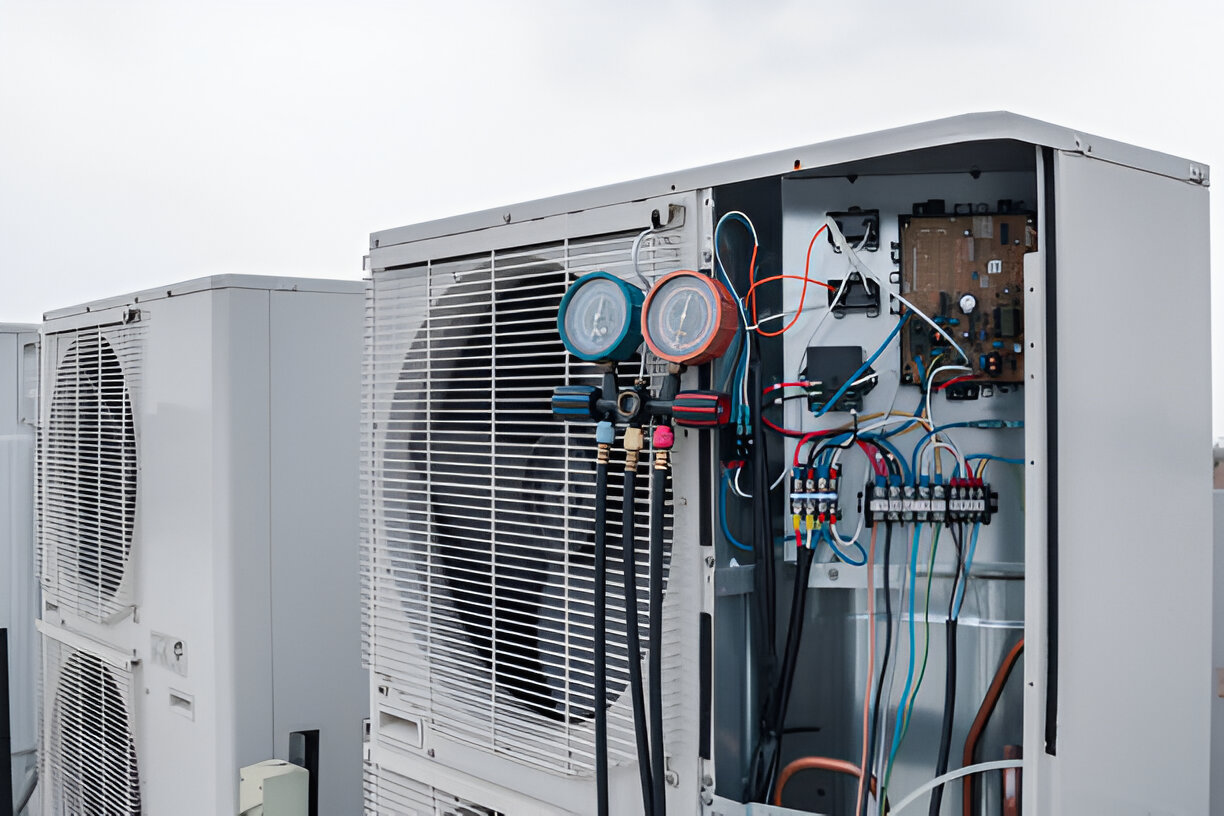
Why routine heat pump maintenance matters in Willis, TX
Willis experiences long cooling seasons and high humidity, which place sustained strain on heat pumps. Heavy pollen in spring and summer increases filter and coil fouling. High humidity raises the likelihood of condensate line clogs and mold growth in drain pans. Even though winters are typically mild, the heat pump defrost cycle and reversing valve need annual checks to ensure reliable heating during cold spells. Regular maintenance addresses these local stressors before they become costly failures.
Common heat pump issues in Willis homes
- Reduced cooling capacity and longer run times from dirty coils and clogged filters.
- Short cycling or frequent compressor starts due to incorrect refrigerant charge or electrical faults.
- Condensate backups and water leaks from blocked drain lines or dirty drain pans in humid months.
- Frozen outdoor coils during winter caused by incorrect defrost operation or poor airflow.
- Increased energy bills from worn components, loose electrical connections, or failing capacitors and motors.
- Thermostat drift or control issues that create uneven temperatures.
Heat pump tune-up checklist
A professional tune-up typically covers all key components and performance tests. Common items included in a comprehensive service:
- Filter inspection and replacement - Verify filter type and condition; change as needed. For most Willis homes, replace every 1 to 3 months depending on pollen, pets, and home occupancy.
- Evaporator and condenser coil cleaning - Remove debris, pollen, and buildup to restore heat transfer and airflow.
- Refrigerant level check - Confirm proper charge and test for leaks; low refrigerant reduces efficiency and risks compressor damage.
- Electrical system inspection - Tighten connections, test capacitors, contactors, and relays for wear and safety.
- Motor and blower inspection and lubrication - Check blower wheel balance and motor operation; lubricate where applicable.
- Airflow and duct inspection - Measure static pressure, inspect registers and visible ductwork for blockages or leaks.
- Thermostat calibration and control checks - Ensure accurate temperature sensing and correct cycle operation.
- Defrost cycle and reversing valve check - Verify proper heating operation and defrost timing for winter reliability.
- Condensate drain and pan cleaning - Clear drainage lines, check trap and pan for clogs and microbial growth.
- Compressor and system performance testing - Measure operating pressures, temperatures, and electrical draw to assess overall health.
- Safety and operational checks - Test safety controls, time delay relays, and overall system startup/shutdown sequences.
Diagnostic process - what technicians do and why it matters
A technician will start with a visual inspection and homeowner interview about recent system behavior. They will measure temperature differentials, airflow, electrical current, and refrigerant pressures to benchmark system performance. These diagnostics identify underlying causes rather than only treating symptoms. For example, a clogged filter may mask a refrigerant leak; both need addressing to prevent repeated failures. Documented findings let you see priorities and expected outcomes for repairs or upgrades.
Typical repairs and solutions uncovered during maintenance
- Cleaning or replacing filthy filters and coils to restore airflow and efficiency.
- Repairing refrigerant leaks and recharging to correct pressures and protect the compressor.
- Replacing worn capacitors, contactors, or motors that cause hard starts or high energy use.
- Clearing condensate lines and treating drain pans to prevent water damage and mold.
- Sealing accessible duct leaks or recommending duct cleaning when airflow is restricted.
- Adjusting or replacing thermostats and sensors for more consistent temperatures.
Recommended service intervals for Willis homeowners
- Biannual inspections - Highly recommended: pre-summer and pre-winter tune-ups to prepare the system for peak cooling and to verify heating readiness.
- Filter changes - Every 1 to 3 months depending on filter type, pets, and pollen levels. More frequent changes during spring pollen season.
- Immediate service - If you notice unusual noises, reduced cooling, short cycling, water leaks, or sudden bill increases, schedule a diagnostic inspection right away.
Maintenance plans and agreements
Maintenance plans typically offer tiered coverage to fit different needs:
- Basic Plan - Annual or biannual visual inspections, basic cleaning, and priority scheduling windows.
- Comprehensive Plan - Includes all tune-up checklist items, diagnostics, parts testing, and documented system performance reports.
- Premium Agreement - Adds priority emergency scheduling, discounts on repairs, and regular reminders for filter changes and seasonal checks.
Common features of plans for Willis homes include seasonal scheduling aligned with local climate demands, documented checklists you can keep for warranty compliance, and discounts on repair parts and labor. These agreements simplify year-round care and help preserve manufacturer warranties that require regular professional maintenance.
Benefits of regular maintenance
- Improved efficiency - A well-maintained heat pump runs less and cools or heats more effectively, often reducing energy use compared to neglected systems.
- Longer equipment life - Preventive care limits wear and extends service life by addressing small issues early.
- Lower repair frequency and severity - Identifying problems during routine checks prevents emergency breakdowns and costly component failures.
- Consistent comfort - Balanced airflow and accurate controls produce more even temperatures throughout your home.
- Indoor air quality - Clean filters, coils, and drains reduce dust, pollen, and mold risk—important in Willis humidity and pollen seasons.
Simple homeowner maintenance between professional visits
- Check and change air filters monthly during high-use months.
- Keep the outdoor unit clear of grass, leaves, and debris; leave 2 feet of clearance around the unit.
- Monitor drains for slow drainage or standing water and report issues promptly.
- Note and record irregular noises, odors, or performance changes to share with your technician.
Regular heat pump maintenance tuned to Willis climate patterns protects comfort, lowers operating costs, and preserves system lifespan. Following a professional biannual schedule combined with basic homeowner care ensures dependable performance through hot, humid summers and the occasional chilly winter night.
Maintenance Plan You Can Rely On
Basic Care
Perfect for newer systems or budget-conscious homeowners wanting essential protection.
$149/year

Annual comprehensive system inspection
Filter replacement (standard filters included)
15% discount on repairs
Priority scheduling within 48 hours
Premium Protection
Ideal for homes with systems 5+ years old or with moderate usage patterns.
$249/year

Bi-annual system inspections (spring & fall)
Filter replacement (premium filters included)
25% discount on all repairs
Priority scheduling within 24 hours
Free diagnostic fees ($89 value)
Elite Coverage
Best for older systems, luxury homes, or properties with critical climate control needs.
$349/year
Quarterly system inspections
All filters and minor parts included
30% discount on major repairs
Same-day emergency service
Extended 2-year warranty on repairs
Annual system efficiency optimization
Basic Care
Perfect for newer systems or budget-conscious homeowners wanting essential protection.
$149/year
Annual comprehensive system inspection
Filter replacement (standard filters included)
15% discount on repairs
Priority scheduling within 48 hours
Premium Protection
Ideal for homes with systems 5+ years old or with moderate usage patterns.
$249/year
Bi-annual system inspections (spring & fall)
Filter replacement (premium filters included)
25% discount on all repairs
Priority scheduling within 24 hours
Free diagnostic fees ($89 value)
Elite Coverage
Best for older systems, luxury homes, or properties with critical climate control needs.
$349/year
Quarterly system inspections
All filters and minor parts included
30% discount on major repairs
Same-day emergency service
Extended 2-year warranty on repairs
Annual system efficiency optimization
Hear What Our Satisfied Clients Have To Say