
Heat Pump Repair in Spring, TX
Professional heat pump repair in Spring, TX diagnosing common failures, troubleshooting and reliable service with same-day options.
Scroll down to discover more

Heat Pump Repair in Spring, TX
When your heat pump fails in Spring, TX, the result is more than discomfort. Stat Air Care Air Conditioning & Heating provides timely, knowledgeable repair essential to restore comfort, protect indoor air quality, and avoid costly secondary damage caused by the area's extreme weather stress.
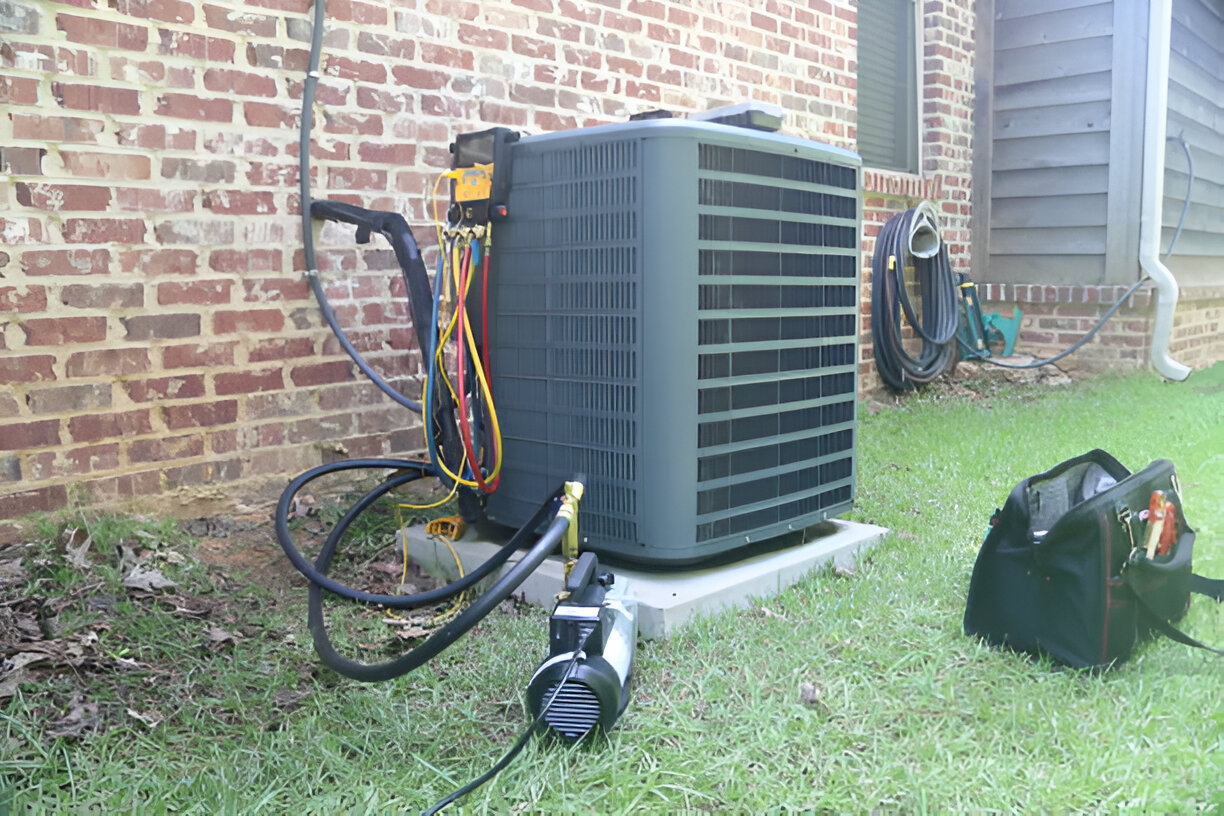
Common heat pump problems in Spring, TX
Spring’s climate and local conditions contribute to specific failure modes. Watch for these frequent issues:
- No cooling or heating: Often caused by electrical faults, thermostat issues, or refrigerant loss. High outdoor temps make performance loss more noticeable and urgent.
- Short cycling: Unit turns on and off rapidly. Typical causes include a failing compressor, low refrigerant, or a clogged filter causing airflow restriction.
- Weak airflow: Clogged filters, blocked vents, failing blower motors, or obstructed ductwork reduce output and increase run times.
- Ice on the outdoor coil: Infrequent during Houston-area winters, but when it occurs it usually indicates low refrigerant, poor airflow, or a failed defrost control.
- Strange noises: Grinding, clanking, or hissing point to loose components, motor or fan failure, or refrigerant leaks.
- High energy bills: Declining efficiency from dirty coils, worn compressors, or improper refrigerant charge.
- Electrical failures: Burned contactors, bad capacitors, and tripped breakers are common in high-demand months.
Troubleshooting homeowners can try (safe, basic checks)
Before scheduling a professional repair, try these non-technical steps. Stop and call a technician if you encounter electrical issues or refrigerant leaks.
- Verify thermostat settings and batteries; set to cool or heat as appropriate.
- Check the breaker panel for tripped breakers and reset if safe.
- Replace or clean air filters if dirty.
- Remove debris, leaves, and vegetation around the outdoor unit; maintain 2 to 3 feet clearance for airflow.
- Check vents and registers inside for obstructions and ensure the condenser is not buried by mulch or grass clippings.
- Listen for obvious unusual noises when the unit starts. Note the time of occurrence and any error codes displayed on smart thermostats or control panels.
How professional heat pump diagnostics work
A qualified technician follows a structured diagnostic process to identify root causes efficiently:
- Visual inspection: Check indoor and outdoor units, electrical connections, filter condition, and visible coil cleanliness.
- Operational tests: Run the system to observe startup behavior, temperature split, and airflow.
- Electrical testing: Measure voltage, current, and continuity on compressors, capacitors, contactors, and fan motors.
- Refrigerant and pressure checks: Use gauges to assess refrigerant charge and detect leaks.
- Control and sensor checks: Verify thermostats, defrost controls, and safety switches function correctly.
- Detailed reporting: Provide a clear diagnosis, recommended repairs, and parts needed.
Typical repair process and what to expect
A reliable repair follows these steps so you know the work being done and any warranty implications:
- Initial inspection and diagnosis to identify faulty components.
- Clear written estimate listing required parts, labor, and potential follow-up work. Rather than a single fix-all, most repairs focus on the root cause to prevent repeat failures.
- Scheduling and completion of repairs, including parts replacement, electrical repairs, refrigerant recovery and recharge if needed, and control board work.
- Post-repair testing to confirm proper operation under load and documentation of work performed.
- Advice on maintenance steps and timeline to prevent recurrence.
Emergency response is prioritized during extreme weather. Many local providers in Spring, TX offer same-day response for urgent failures; typical emergency windows range from a few hours to 24 hours depending on time of day and workload. Non-urgent repairs are usually scheduled within a few days.
Common parts replaced during heat pump repair
- Compressor and compressor start components
- Reversing valve
- Capacitors and contactors
- Fan and blower motors
- Expansion devices and thermostatic expansion valves
- Refrigerant line repairs and leak repair components
- Control boards, relays, and sensorsChoosing OEM parts preserves factory warranties, while quality aftermarket parts can be a cost-effective alternative when appropriate.
Warranty-covered repairs: what homeowners and business owners need to know
Warranty coverage varies by manufacturer and by the original installation:
- Manufacturer warranties typically cover specific parts for a set time and often require proof of regular maintenance. Registration and original purchase or installation documentation help speed claims.
- Labor warranties may be offered by the service provider for a limited period after repair. These cover the workmanship portion but not necessarily new manufacturer parts.
- What voids warranties: Lack of routine maintenance, improper installation, or unauthorized modifications can void coverage.When pursuing warranty service, have the unit model and serial number, proof of purchase or installation date, and recent maintenance records available. A technician will document failure, provide necessary invoices and part numbers, and assist with claims submission when applicable.
Residential vs commercial considerations in Spring, TX
- Residential repairs typically focus on single-split systems, packaged systems, or ducted heat pumps. Scheduling around family routines and ensuring safe access are priorities.
- Commercial systems are larger, may be rooftop units, and often require coordination with building management, permits, and off-hours service to minimize disruption. Restaurants, medical offices, and retail spaces in Spring rely on rapid response to maintain customer comfort and code compliance.
Preventive maintenance to reduce repairs
Given Spring’s humid climate and high summer demand, routine maintenance is especially valuable:
- Replace filters every 1 to 3 months during peak use.
- Schedule professional tune-ups at least once a year; in humid climates, bi-annual checks (spring and fall) help maintain efficiency.
- Keep outdoor units clear of vegetation and check condensate drains to prevent mold and water damage.
- Monitor system run times and energy use; changes often precede mechanical failure.
Benefits of timely, professional heat pump repair
Prompt diagnosis and repair restore comfort and system efficiency, prevent expensive secondary damage, protect warranty eligibility, and extend equipment life. In Spring, TX where heat and humidity challenge systems most of the year, addressing symptoms early avoids emergency failures during extreme weather.
Preparing for a service visit helps the technician work efficiently: have the unit model and serial number handy, note recent symptoms and any error codes, ensure clear access to the indoor and outdoor units, and gather warranty or maintenance records. With the right repair strategy, most heat pump problems can be resolved quickly and reliably, keeping your home or business comfortable through Spring’s climate extremes.
Maintenance Plan You Can Rely On
Basic Care
Perfect for newer systems or budget-conscious homeowners wanting essential protection.
$149/year

Annual comprehensive system inspection
Filter replacement (standard filters included)
15% discount on repairs
Priority scheduling within 48 hours
Premium Protection
Ideal for homes with systems 5+ years old or with moderate usage patterns.
$249/year

Bi-annual system inspections (spring & fall)
Filter replacement (premium filters included)
25% discount on all repairs
Priority scheduling within 24 hours
Free diagnostic fees ($89 value)
Elite Coverage
Best for older systems, luxury homes, or properties with critical climate control needs.
$349/year
Quarterly system inspections
All filters and minor parts included
30% discount on major repairs
Same-day emergency service
Extended 2-year warranty on repairs
Annual system efficiency optimization
Basic Care
Perfect for newer systems or budget-conscious homeowners wanting essential protection.
$149/year
Annual comprehensive system inspection
Filter replacement (standard filters included)
15% discount on repairs
Priority scheduling within 48 hours
Premium Protection
Ideal for homes with systems 5+ years old or with moderate usage patterns.
$249/year
Bi-annual system inspections (spring & fall)
Filter replacement (premium filters included)
25% discount on all repairs
Priority scheduling within 24 hours
Free diagnostic fees ($89 value)
Elite Coverage
Best for older systems, luxury homes, or properties with critical climate control needs.
$349/year
Quarterly system inspections
All filters and minor parts included
30% discount on major repairs
Same-day emergency service
Extended 2-year warranty on repairs
Annual system efficiency optimization
Hear What Our Satisfied Clients Have To Say