
Heating Inspection in Humble, TX
Humble, TX heating inspection protects your home with safety and efficiency. Schedule today for reliable performance and peace of mind.
Scroll down to discover more

A professional heating inspection in Humble, TX by Stat Air Care Air Conditioning & Heating protects your home, family, and investment by identifying safety risks, hidden performance issues, and items that can void warranties or complicate real estate transactions. With Humble’s humid subtropical climate, occasional winter cold snaps, and high airborne pollen and moisture, heating systems face specific stresses that make timely inspections important for safety, efficiency, and long-term reliability.
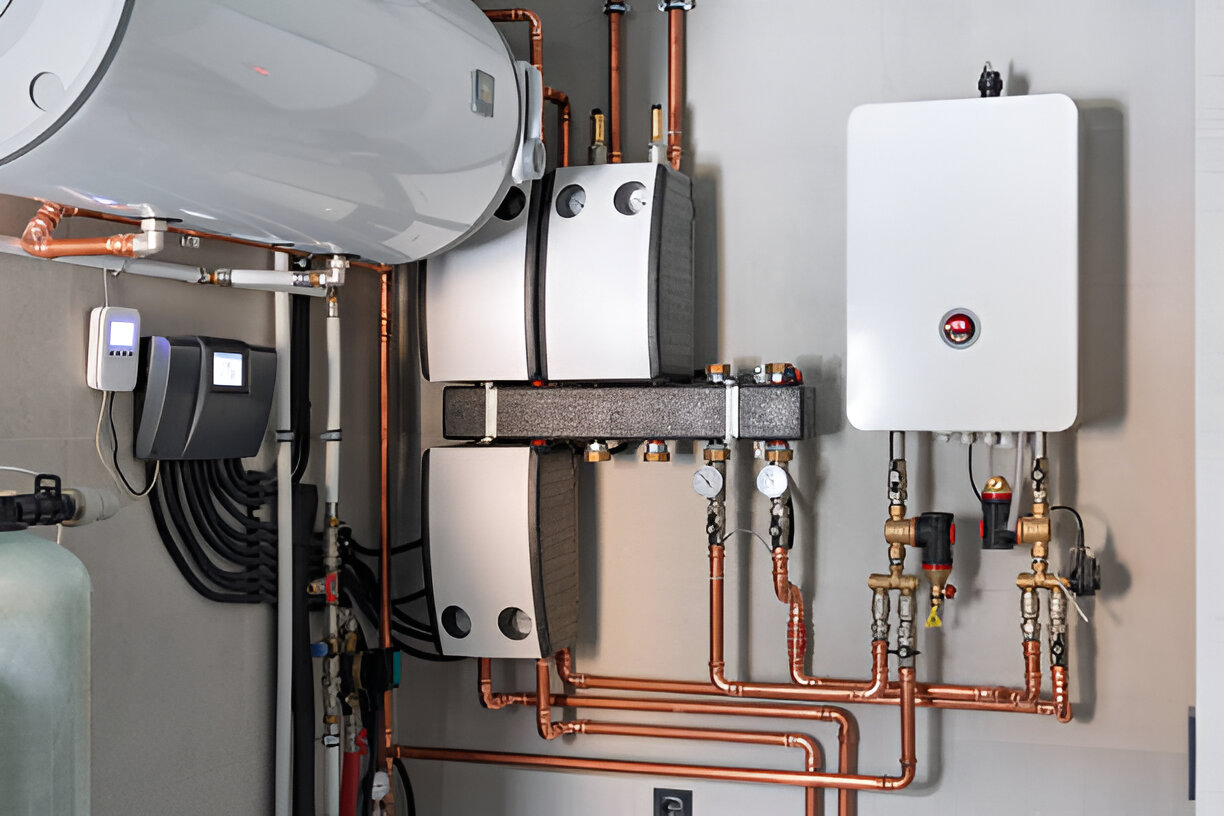
Why a heating inspection matters in Humble, TX
- Safety: Detects carbon monoxide leaks, gas leaks, faulty heat exchangers, and electrical hazards before they become life threatening.
- Efficiency: Finds airflow restrictions, dirty burners, worn components, and duct leaks that drive up energy bills.
- Longevity: Identifies wear and tear early so you can make targeted repairs instead of paying for premature replacements.
- Documentation: Provides the detailed reports often required for real estate closings, home warranties, and insurance reviews.
Common heating systems in Humble homes
- Gas furnaces with vented flues
- Heat pumps and hybrid systems (common due to mild winters)
- Electric furnaces and space heaters
- Packaged rooftop units (for small commercial properties)Each system has unique inspection points; heat pumps, for example, need refrigerant and compressor checks, while gas furnaces require combustion and venting analysis.
Typical heating inspection issues in Humble, TX
- Carbon monoxide entry from cracked heat exchangers or poor venting
- High humidity and corrosion on burners, igniters, and electrical connections
- Reduced airflow from clogged filters, pollen, or duct contamination
- Condensate blockages or drain corrosion in high-humidity conditions
- Refrigerant leaks or failing reversing valves on heat pumps
- Thermostat calibration errors and control board failures
- Duct leaks in attics and crawlspaces that reduce heating efficiency
What a comprehensive inspection includes
- Visual system assessment: Examine furnace, heat pump, ducts, vents, and flue for obvious damage, corrosion, or improper clearances.
- Safety checks: Inspect heat exchanger integrity, burner condition, ignition system, flame quality, and fuel line attachments.
- Carbon monoxide and combustion analysis: Use a combustion analyzer and CO meter to measure CO levels, oxygen content, and combustion efficiency.
- Ventilation and flue testing: Verify positive draft, proper vent termination, and absence of blockages that could trap exhaust gases.
- Electrical and control inspection: Test wiring, capacitors, relays, safety switches, and the thermostat for proper operation.
- Airflow and distribution testing: Check filter condition, blower operation, supply/return temperatures, and static pressure to evaluate airflow performance.
- Refrigerant and heat pump diagnostics: Measure pressures, temperatures, and superheat/subcooling where applicable.
- Ductwork evaluation: Look for leaks, disconnected seams, insulation gaps, and signs of mold or pest intrusion.
- Detailed inspection report: Provide prioritized findings, safety concerns, and recommended actions to restore safe and efficient operation.
Diagnostic tools and process
Inspections use calibrated instruments for accurate assessment:
- Combustion analyzer for CO, CO2, and efficiency readings
- CO detectors and multigas meters for ambient safety checks
- Infrared camera to spot heat leaks and electrical hot spots
- Manometer and static pressure gauges for airflow measurement
- Refrigerant gauges and temperature probes for heat pump serviceThis systematic approach ensures both immediate safety checks and long-term performance diagnostics.
Typical findings and recommended actions
- Elevated CO readings or draft failure: Immediate flue cleaning, heat exchanger evaluation, and temporary shutdown until safe.
- Dirty burners or misaligned flame: Clean and tune burners and adjust gas pressure for optimal combustion.
- Low airflow from clogged filters or blower issues: Replace filters, clean blower assembly, and balance ducts.
- Refrigerant loss or weak heat pump performance: Locate and repair leaks, recharge to manufacturer specs, and test compressor health.
- Corroded connections or worn controls: Replace damaged electrical components and update controls to meet current safety standards.Reports will grade urgency so you can prioritize safety risks first and efficiency improvements second.
Inspections for real estate and warranty needs
Heating inspections for home sales or warranty compliance include precise documentation:
- A written report listing condition, deficiencies, corrective actions, and timelines
- Photographic evidence of critical failures when required
- Assessments of whether repairs are functional fixes or system replacementsThese inspections help buyers, sellers, and warranty providers make informed decisions and reduce liability.
How inspections support maintenance and repair planning
An inspection turns unknown problems into an actionable plan:
- Prioritizes immediate safety fixes versus scheduled maintenance
- Helps estimate remaining equipment life so you can budget replacements
- Identifies small repairs that prevent larger failures, saving money over time
- Supports efficient scheduling of parts and labor by diagnosing issues in advance
Scheduling and frequency recommendations for Humble homeowners
- Annual inspections before the heating season are standard and recommended.
- Heat pump systems in mixed-use climates may benefit from biannual checks (before the heating and cooling seasons).
- After major storms, flooding, or extended system downtime, request an inspection to check for water intrusion, debris, or electrical damage.
Maintenance tips for Humble, TX homes
- Replace HVAC filters every 1 to 3 months during high pollen or humidity seasons.
- Keep outdoor units clear of vegetation, pollen buildup, and storm debris.
- Ensure vent terminations remain above potential standing water and are free of nests or blockages.
- Test CO detectors monthly and replace batteries yearly.
- Maintain attic and crawlspace insulation to reduce duct heat loss and humidity intrusion.
Q: How long does a typical heating inspection take?
A: Most residential inspections take 45 to 90 minutes depending on system complexity and whether ducts or multiple units need review.
Q: Will the inspector turn off my system if they find a hazard?
A: Yes. If a safety hazard such as dangerous CO levels, gas leaks, or electrical shorts is detected, the system may be shut down until repairs are completed.
Q: Are heating inspections required for home sales in Humble, TX?
A: Requirements vary by transaction and lender. An inspection for safety and function is commonly requested during home sales and can be supplied as part of disclosure or negotiation.
Q: Can an inspection fix my heating problem on the same visit?
A: Inspections identify problems and often include minor adjustments or recommendations. More extensive repairs may require scheduling follow-up service and parts.
Q: How does Humble weather affect my heating system?
A: High humidity, pollen, and occasional freezes increase corrosion risk, filter loading, and condensate issues. Heat pumps may see variable load cycles due to mild winters.
Q: What should I keep handy before an inspection?
A: Provide access to indoor and outdoor units, attic or crawlspaces with ductwork, the thermostat, and any service records to help the inspector evaluate system history and performance.
Maintenance Plan You Can Rely On
Basic Care
Perfect for newer systems or budget-conscious homeowners wanting essential protection.
$149/year

Annual comprehensive system inspection
Filter replacement (standard filters included)
15% discount on repairs
Priority scheduling within 48 hours
Premium Protection
Ideal for homes with systems 5+ years old or with moderate usage patterns.
$249/year

Bi-annual system inspections (spring & fall)
Filter replacement (premium filters included)
25% discount on all repairs
Priority scheduling within 24 hours
Free diagnostic fees ($89 value)
Elite Coverage
Best for older systems, luxury homes, or properties with critical climate control needs.
$349/year
Quarterly system inspections
All filters and minor parts included
30% discount on major repairs
Same-day emergency service
Extended 2-year warranty on repairs
Annual system efficiency optimization
Basic Care
Perfect for newer systems or budget-conscious homeowners wanting essential protection.
$149/year
Annual comprehensive system inspection
Filter replacement (standard filters included)
15% discount on repairs
Priority scheduling within 48 hours
Premium Protection
Ideal for homes with systems 5+ years old or with moderate usage patterns.
$249/year
Bi-annual system inspections (spring & fall)
Filter replacement (premium filters included)
25% discount on all repairs
Priority scheduling within 24 hours
Free diagnostic fees ($89 value)
Elite Coverage
Best for older systems, luxury homes, or properties with critical climate control needs.
$349/year
Quarterly system inspections
All filters and minor parts included
30% discount on major repairs
Same-day emergency service
Extended 2-year warranty on repairs
Annual system efficiency optimization
Hear What Our Satisfied Clients Have To Say