
Heating Inspection in Splendora, TX
Heating inspection service in Splendora, TX helps keep your family safe, improve efficiency, and catch issues early. Schedule now.
Scroll down to discover more

A professional heating inspection in Splendora, TX by Stat Air Care Air Conditioning & Heating protects your family, your comfort, and your energy budget. Although Southeast Texas winters are typically mild, cold snaps and overnight temperature swings still place stress on residential heating systems. A thorough inspection detects safety risks such as cracked heat exchangers and carbon monoxide leaks, verifies controls and venting are working correctly, and identifies efficiency losses before they become costly repairs or breakdowns.
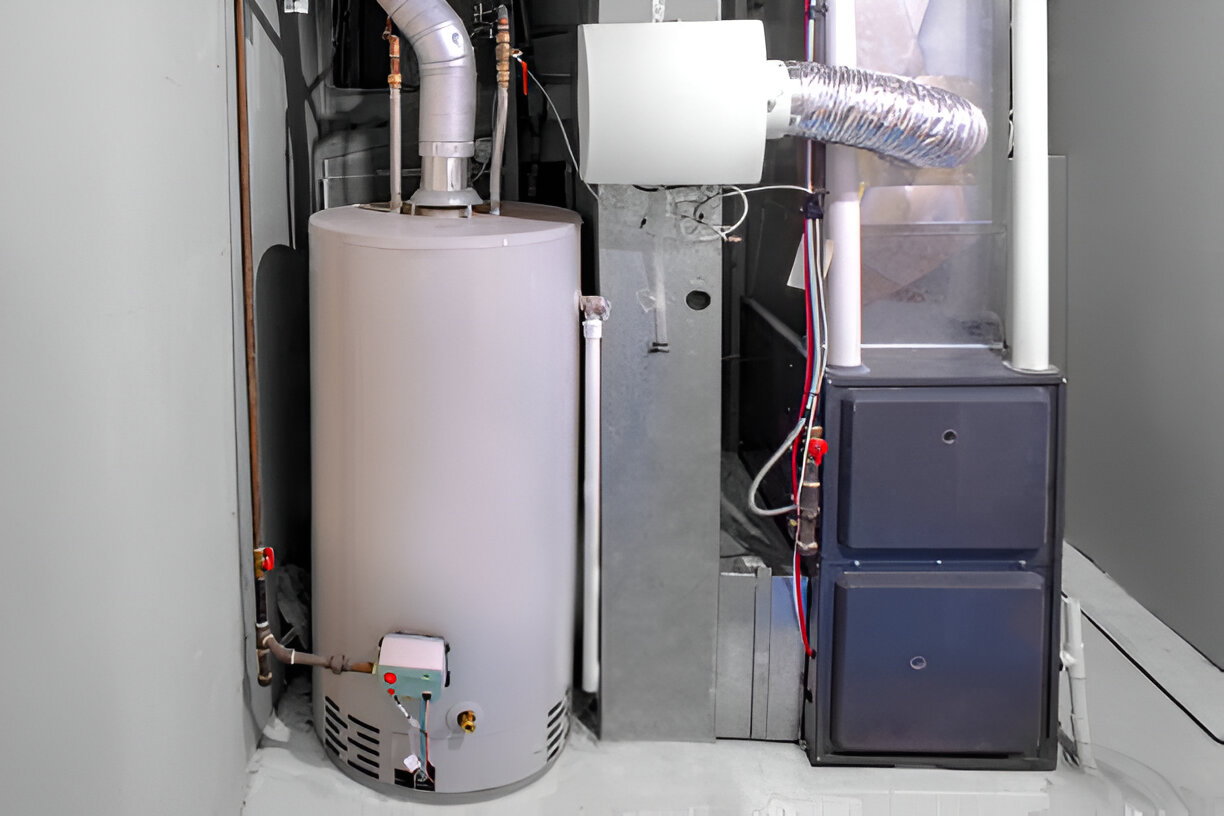
Why a heating inspection matters for Splendora homes
- Splendora experiences high humidity year-round and occasional strong storms. Moisture and debris buildup can accelerate corrosion in furnaces and venting, reducing lifespan and safety.
- Many local homes are older or have had incremental HVAC upgrades. That patchwork history can hide mismatched components, improper venting, or control calibration issues that only surface during use.
- Power fluctuations during storms can damage thermostats and control boards. An inspection verifies electronics and safety interlocks operate reliably after grid disturbances.
Common heating inspection issues in Splendora, TX
- Cracked or corroded heat exchanger causing combustion safety concerns.
- Blocked or improperly sloped venting and flue problems that impair draft and can allow dangerous combustion gases into living spaces.
- Dirty burners, clogged pilot assemblies, or failed ignition systems that cause intermittent heating or inefficient fuel use.
- Malfunctioning thermostats, incorrect calibration, or faulty wiring causing short cycling or uneven temperatures.
- Restricted airflow from dirty filters, coils, or ductwork leading to reduced comfort and increased system strain.
- Evidence of moisture-related corrosion or animal intrusion in exterior units and intake areas.
What a thorough heating inspection includes
A complete heating inspection in Splendora, TX covers safety, performance, and efficiency. Key components include:
- Visual and mechanical safety checks of the furnace or heat pump, including mounting, access panels, and visible signs of wear.
- Heat exchanger inspection for cracks, corrosion, or leakage that can create serious carbon monoxide risks.
- Venting and flue examination to confirm proper draft, slope, clearances, and absence of obstructions or rust.
- Thermostat and control verification including setpoint accuracy, programmable schedules, and control wiring checks.
- Combustion and carbon monoxide testing where applicable: measuring combustion gases, verifying proper CO levels, and checking for leaks at joints and connections.
- Efficiency assessment: documenting temperature rise, fuel pressure (if gas), and airflow to identify performance losses.
- Air filter, blower motor, and capacitor inspection to determine if restricted airflow or electrical issues are present.
- Written inspection report that outlines findings, safety concerns, and prioritized recommendations for repair, tune-up, or replacement.
How diagnostics are performed (plain language)
Inspectors use a combination of visual inspection, hands-on testing, and diagnostic instruments:
- Start-up and operational test to observe ignition, burner behavior, and startup cycles.
- Use of combustion analyzers to measure fuel burn efficiency and CO production.
- Airflow and temperature measurements to confirm the system is moving and delivering conditioned air as intended.
- Electrical checks for proper voltage and current draw on motors and controls.
- Physical inspection of vents, filters, and heat exchanger for visible damage or obstructions.The process is methodical and documented so you have a clear picture of current performance and any safety priorities.
Repair, tune-up, and replacement options explained
After the inspection you will receive a written report with clear next-step options:
- Repair: Targeted fixes for issues like faulty ignitors, sealed duct repairs, vent relining, or control replacements. Repairs address immediate safety and reliability concerns.
- Tune-up: Cleaning burners, replacing filters, lubricating motors, calibrating thermostats, and adjusting system settings to restore efficiency and prevent premature failures.
- Replacement: Recommended when inspections reveal irreversible heat exchanger damage, chronic inefficiency, or when repair costs approach or exceed the value of a newer, safer, more efficient system.
Each option includes an explanation of the expected benefits, cost drivers, and how the choice impacts safety, energy bills, and long-term service life.
Benefits of timely heating inspections in Splendora
- Improved safety: Early detection of combustion and CO risks protects occupants.
- Lower operating costs: Efficient systems use less fuel and reduce monthly bills.
- Fewer emergency breakdowns: Preventive diagnostics reduce the chance of mid-winter failures.
- Longer equipment lifespan: Regular maintenance and early repairs prevent premature replacements.
- Documentation for homeowners: A written inspection record helps with resale disclosures and service history tracking.
Seasonal maintenance tips tailored to Splendora homes
- Schedule inspections before the first cool front: Systems that sit idle all summer can develop ignition or control problems. A pre-season check ensures reliable startup when you need it.
- Replace filters regularly during heavy pollen and humidity seasons to prevent restricted airflow and moisture buildup on coils.
- Keep outdoor vents and flues clear of leaves, pine needles, and debris from nearby trees common to the Piney Woods region.
- Watch for unusual odors, soot, or yellow pilot flames, and have the system inspected promptly if any of these occur.
FAQs
Q: How often should I have a heating inspection?
A: Annual inspections are recommended; have them done before the heating season begins to ensure safety and reliability.
Q: Will an inspection tell me if my system needs replacement?
A: Yes. An inspection will assess safety risks, repair history, efficiency, and estimated remaining life to help determine if replacement is the best option.
Q: Do you perform carbon monoxide testing during the inspection?
A: A proper heating inspection includes combustion safety checks and carbon monoxide testing where applicable to verify safe operation.
Q: How long does a typical heating inspection take?
A: Most residential inspections take 60 to 90 minutes depending on system type, age, and any diagnostic testing required.
Q: Is a written report provided after the inspection?
A: Yes. A detailed written inspection report outlines findings, safety concerns, and recommended next steps for repair, tune-up, or replacement.
Maintenance Plan You Can Rely On
Basic Care
Perfect for newer systems or budget-conscious homeowners wanting essential protection.
$149/year

Annual comprehensive system inspection
Filter replacement (standard filters included)
15% discount on repairs
Priority scheduling within 48 hours
Premium Protection
Ideal for homes with systems 5+ years old or with moderate usage patterns.
$249/year

Bi-annual system inspections (spring & fall)
Filter replacement (premium filters included)
25% discount on all repairs
Priority scheduling within 24 hours
Free diagnostic fees ($89 value)
Elite Coverage
Best for older systems, luxury homes, or properties with critical climate control needs.
$349/year
Quarterly system inspections
All filters and minor parts included
30% discount on major repairs
Same-day emergency service
Extended 2-year warranty on repairs
Annual system efficiency optimization
Basic Care
Perfect for newer systems or budget-conscious homeowners wanting essential protection.
$149/year
Annual comprehensive system inspection
Filter replacement (standard filters included)
15% discount on repairs
Priority scheduling within 48 hours
Premium Protection
Ideal for homes with systems 5+ years old or with moderate usage patterns.
$249/year
Bi-annual system inspections (spring & fall)
Filter replacement (premium filters included)
25% discount on all repairs
Priority scheduling within 24 hours
Free diagnostic fees ($89 value)
Elite Coverage
Best for older systems, luxury homes, or properties with critical climate control needs.
$349/year
Quarterly system inspections
All filters and minor parts included
30% discount on major repairs
Same-day emergency service
Extended 2-year warranty on repairs
Annual system efficiency optimization
Hear What Our Satisfied Clients Have To Say