
Heating Tune-up in Splendora, TX
Heating tune-up in Splendora, TX to boost efficiency, reliability, and safety. Learn what's included and schedule your service today.
Scroll down to discover more

Keeping your heating system tuned and ready matters in Splendora, TX, and Stat Air Care Air Conditioning & Heating is here to help, even though winters are milder than in northern states. Seasonal temperature swings, high humidity, and frequent pollen and storm activity make regular maintenance essential for efficiency, safety, and comfort. A professional heating tune-up focuses on critical checks like burner and heat-exchanger inspection, filter and thermostat checks, safety control testing, combustion analysis (when applicable), lubrication, and calibration—so your home heats reliably when you need it most.
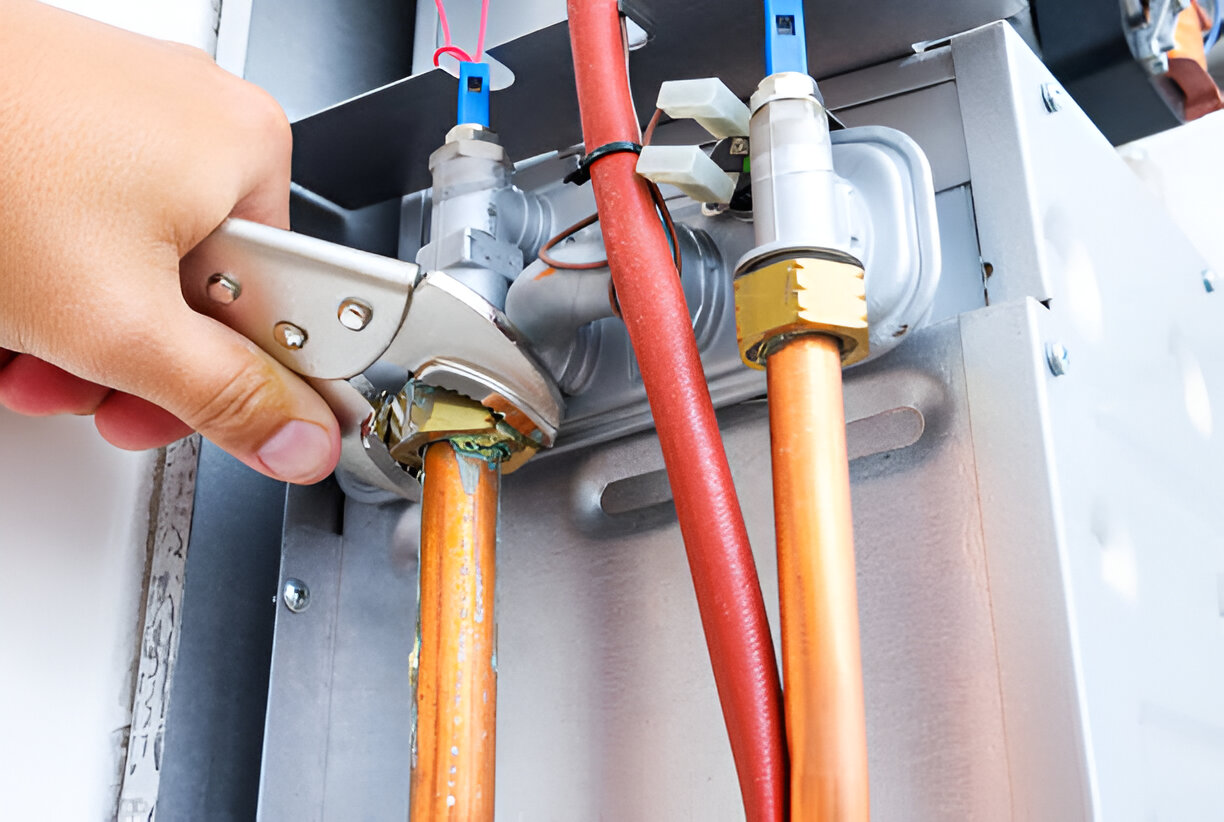
Why a heating tune-up matters in Splendora, TX
Homes in Splendora face unique factors that affect heating systems:
- High humidity and pollen loads clog filters faster and contribute to mold growth in ductwork.
- Storms and occasional cold snaps create rapid on/off cycling that stresses controls and motors.
- Older systems exposed to moisture can develop corrosion on burners, flues, and electrical connections.Regular tune-ups catch small problems before they lead to breakdowns, keep fuel and electricity use low, and reduce the risk of safety issues such as carbon monoxide leaks.
Common heating problems in Splendora homes
During tune-ups technicians frequently find:
- Dirty or clogged filters restricting airflow and lowering efficiency
- Improper thermostat calibration causing uneven temperatures or short cycling
- Worn or unlubricated blower motors and belts creating noise and failing prematurely
- Soot, corrosion, or cracks on burners and heat exchangers that indicate combustion problems
- Weak ignition, dirty flame sensors, or faulty safety controls preventing reliable starts
- Blocked or improperly sloped condensate drains (common on heat pumps and high-efficiency furnaces)
- Loose electrical connections or failing capacitors due to humidity-related corrosion
What a professional heating tune-up includes
A thorough tune-up follows a consistent diagnostic and maintenance sequence to maximize reliability and efficiency:
Inspection and diagnostics
- Visual inspection of the furnace or heat pump, flue, venting, and surrounding area
- Check for signs of corrosion, soot, rust, or pest intrusion in the system and ducts
- Verify proper combustion air and venting pathways
Combustion and safety testing (gas systems)
- Burners and heat-exchanger inspection for cracks, warping, or soot buildup
- Combustion analysis when applicable to measure CO and combustion efficiency
- Test of safety controls, flame rollout switches, limit switches, and pressure switches
- Check and test carbon monoxide indicators for proper operation
Airflow, filtration, and thermostat
- Inspect and change or recommend appropriate air filters
- Measure airflow and check duct intakes for blockage or leaks
- Calibrate or test thermostats for accurate temperature control and proper wiring
Electrical, mechanical, and moving parts
- Tighten electrical connections and measure voltage and amperage on motors
- Lubricate bearings and moving parts where required
- Inspect and adjust belts, pulleys, and blower assemblies
- Test starting components, capacitors, and relays
Calibration and performance checks
- Verify proper gas pressure and ignition performance when applicable
- Test startup and shutdown cycles, run the system through a full operation
- Confirm system temperature rise or heat pump target pressures meet manufacturer specs
- Provide recommendations for efficiency improvements or repairs
Typical repair solutions identified during tune-ups
A tune-up often resolves or pinpoints issues that directly improve performance:
- Replacing or upgrading filters to restore airflow and indoor air quality
- Cleaning burners, flame sensors, and ignition assemblies for reliable starts
- Sealing small duct leaks and rebalancing airflow to eliminate hot or cold spots
- Tightening or replacing electrical components and lubricating motors to prevent failures
- Replacing failed safety switches or limit controls to restore safe operation
- Replacing cracked heat exchangers or recommending replacement when repair is unsafe
Benefits of regular heating tune-ups
- Improved energy efficiency and lower heating costs through optimal combustion and airflow
- Greater reliability during cold snaps and stormy weather when systems are stressed
- Longer equipment life by reducing strain on motors, compressors, and controls
- Reduced risk of hazardous conditions such as carbon monoxide leakage
- Preservation of manufacturer warranties that require scheduled maintenance
Recommended frequency for tune-ups in Splendora, TX
- Annual tune-up before the heating season (late summer to early fall) for gas furnaces and electric furnaces
- Twice-yearly service for heat pumps: once in fall (pre-heating season) and once in spring (pre-cooling season) since they handle both heating and cooling loads
- More frequent checks (every 6 months) if your home has heavy pollen loads, pets, smokers, or occupants with allergies, or if the system is more than 10 years old
Signs you need immediate service
Schedule an inspection if you notice:
- A yellow or flickering pilot light, visible soot, or unusual odors
- Unexplained increase in heating bills
- Uneven temperatures, rooms that never reach setpoint, or frequent short-cycling
- Loud, grinding, or screeching noises coming from the system
- Symptoms of carbon monoxide exposure such as headaches, dizziness, or nausea when the system is running
Maintenance tips to keep your system performing between tune-ups
- Change disposable filters monthly during heavy use seasons and high-pollen months; use higher MERV ratings carefully to match your system
- Keep outdoor units clear of debris, vegetation, and stored items that block airflow
- Maintain a consistent thermostat schedule; avoid extreme setpoint swings that increase cycling
- Keep vents and returns unobstructed by furniture or curtains to ensure balanced airflow
- Inspect visible vents and ductwork for signs of moisture or mold after storms and address promptly
Q: How long does a typical heating tune-up take?
A: Most comprehensive tune-ups take 60 to 90 minutes depending on system type, age, and any issues found that require additional attention.
Q: Will a tune-up reduce my heating bills?
A: Yes. Proper combustion, clean burners, correct airflow, and calibrated controls can improve system efficiency and often lower monthly heating costs.
Q: Do all systems require combustion analysis?
A: Combustion analysis is recommended for gas-fired equipment and is performed when safe access and conditions allow. It measures efficiency and checks for unsafe combustion byproducts.
Q: Is a tune-up necessary if my heat pump works year round in Splendora?
A: Yes. Heat pumps benefit from biannual service—spring and fall—to ensure efficient performance and reliability for both cooling and heating seasons.
Q: Can a tune-up extend the life of my furnace or heat pump?
A: Regular maintenance reduces wear on components, improves reliability, and can extend equipment life by preventing small issues from becoming major failures.
Maintenance Plan You Can Rely On
Basic Care
Perfect for newer systems or budget-conscious homeowners wanting essential protection.
$149/year

Annual comprehensive system inspection
Filter replacement (standard filters included)
15% discount on repairs
Priority scheduling within 48 hours
Premium Protection
Ideal for homes with systems 5+ years old or with moderate usage patterns.
$249/year

Bi-annual system inspections (spring & fall)
Filter replacement (premium filters included)
25% discount on all repairs
Priority scheduling within 24 hours
Free diagnostic fees ($89 value)
Elite Coverage
Best for older systems, luxury homes, or properties with critical climate control needs.
$349/year
Quarterly system inspections
All filters and minor parts included
30% discount on major repairs
Same-day emergency service
Extended 2-year warranty on repairs
Annual system efficiency optimization
Basic Care
Perfect for newer systems or budget-conscious homeowners wanting essential protection.
$149/year
Annual comprehensive system inspection
Filter replacement (standard filters included)
15% discount on repairs
Priority scheduling within 48 hours
Premium Protection
Ideal for homes with systems 5+ years old or with moderate usage patterns.
$249/year
Bi-annual system inspections (spring & fall)
Filter replacement (premium filters included)
25% discount on all repairs
Priority scheduling within 24 hours
Free diagnostic fees ($89 value)
Elite Coverage
Best for older systems, luxury homes, or properties with critical climate control needs.
$349/year
Quarterly system inspections
All filters and minor parts included
30% discount on major repairs
Same-day emergency service
Extended 2-year warranty on repairs
Annual system efficiency optimization
Hear What Our Satisfied Clients Have To Say