
Heating Inspection in The Woodlands, TX
Get a thorough heating inspection in The Woodlands, TX to ensure safety and efficiency—schedule your professional assessment today.
Scroll down to discover more

A professional heating inspection in The Woodlands, TX from Stat Air Care Air Conditioning & Heating ensures your home or business stays safe, comfortable, and energy-efficient through the cooler months and during the occasional cold snap. Even though winters here are generally mild, The Woodlands’ humid subtropical climate and seasonal temperature swings place specific stresses on heating equipment—making timely inspections important for reliability, indoor air quality, and occupant safety.
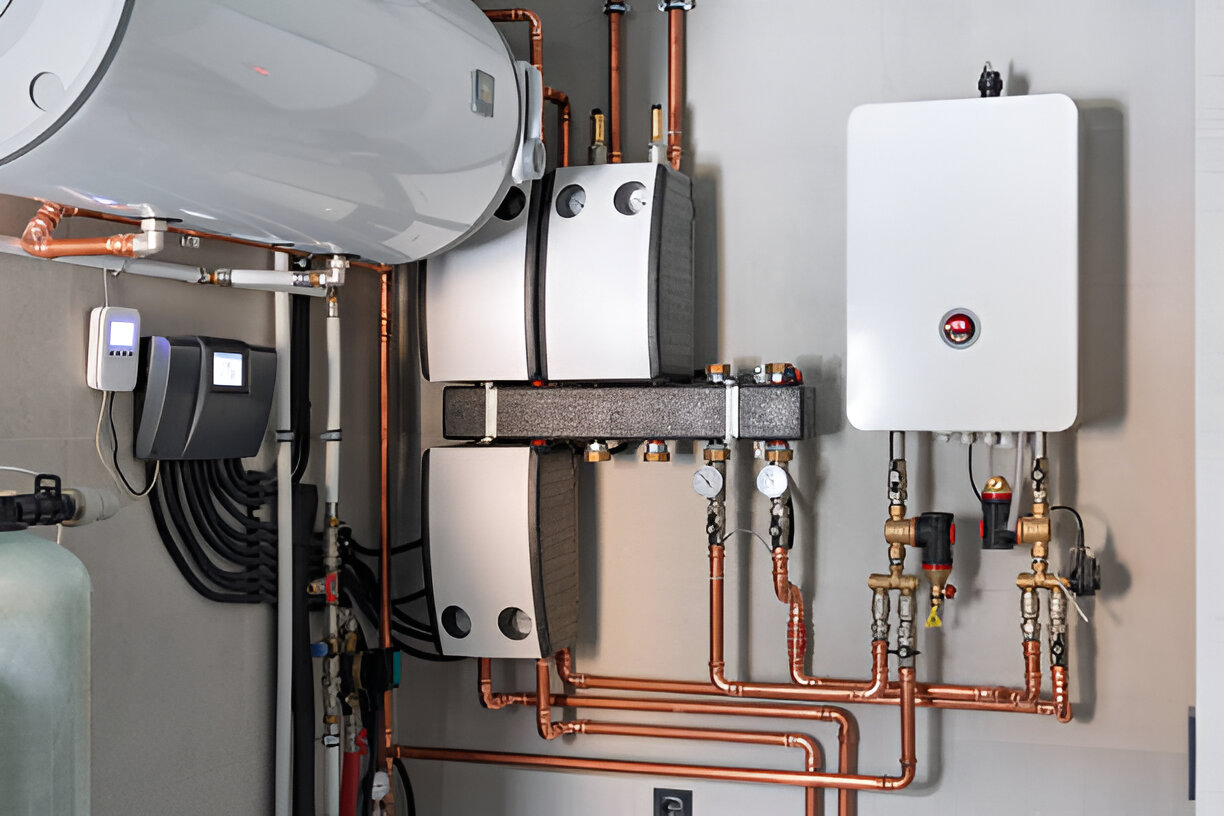
Why a heating inspection matters in The Woodlands
- Safety: Fuel-burning systems (gas furnaces, boilers) can develop leaks, blocked vents, or cracked heat exchangers that create carbon monoxide risks. Proper inspections include combustion safety checks and CO testing where applicable.
- Performance: Heat pumps and furnaces lose efficiency over time. Inspections identify airflow restrictions, refrigerant issues, and electrical faults that raise energy bills and shorten equipment life.
- Humidity and corrosion: High humidity and frequent pollen in The Woodlands promote condensate and corrosion concerns in coils, drains, and ductwork. Inspections catch early signs before they become failures.
- Commercial compliance: Local codes and insurance requirements often mandate periodic safety and code inspections for commercial heating equipment, rooftop units, and boilers.
Common heating inspection issues in The Woodlands, TX
- Restricted airflow from dirty filters, clogged coils, or obstructed vents, causing uneven heating and higher energy use
- Refrigerant leaks or improper charge on heat pumps—common in systems that run year-round for cooling and heating
- Pilot, ignition, or burner problems on gas furnaces and boilers affecting safe combustion
- Cracked heat exchangers or flue defects creating carbon monoxide hazards
- Corroded flue, vent, or condensate lines accelerated by humidity
- Faulty thermostats, control boards, or electrical connections leading to intermittent operation
- Duct leaks, mold growth, or insulation damage from moisture and yard vegetation
- Rooftop unit neglect and rooftop curb flashing issues on commercial buildings
Types of heating inspections
- Basic safety and performance inspection: Visual assessment, airflow testing, filter check, thermostat calibration, and basic electrical safety review.
- Combustion and carbon monoxide inspection: Fuel-burning system check that includes burner performance, flue and vent integrity, CO monitoring, and combustion analysis when required.
- Full system diagnostic inspection: Detailed assessments including blower performance, refrigerant pressure (heat pumps), motor amperage, and control diagnostics.
- Commercial code and compliance inspection: Documentation and checks aligned with local codes for rooftop units, boilers, and commercial HVAC systems, often including written reports suitable for permits or insurance.
- Duct and indoor air quality inspection: Evaluate duct leakage, insulation condition, moisture issues, and evidence of microbial growth that affects air quality.
What a professional heating inspection includes
Technicians follow a structured process to provide clear, actionable findings and recommendations:
- Intake and system history
- Document system make, model, age, maintenance history, and occupant complaints.
- Visual and mechanical checks
- Inspect burners, heat exchangers, flues, vents, condensate lines, filters, coils, blowers, and belts.
- Check ductwork access points and attic or crawlspace components for moisture or damage.
- Safety testing
- Perform carbon monoxide tests near the appliance and in living spaces when combustion equipment is present.
- Verify proper venting, combustion air supply, and flue draft to reduce CO risk.
- Operational diagnostics
- Run heating cycles to observe startup, run behavior, and temperature rise.
- Test thermostat function and control responsiveness.
- For heat pumps: check refrigerant pressures, defrost cycles, and reversing valve operation.
- Electrical and control inspection
- Measure motor amperage, inspect wiring, contactors, and capacitors for wear or imminent failure.
- Written findings and recommendations
- Provide a clear report that prioritizes issues (safety, performance, maintenance), outlines recommended repairs or upgrades, and estimates remaining equipment life and expected benefits.
Typical repair and maintenance solutions after inspection
- Replace or clean filters, coils, and drain lines to restore airflow and prevent mold
- Repair or replace faulty ignition systems, burners, or control boards on fuel-burning appliances
- Seal or insulate duct leaks and repair damaged ducting to improve distribution and efficiency
- Repair flue or venting issues and remediate any heat exchanger concerns; recommend replacement when safety is compromised
- Recharge or locate refrigerant leaks on heat pumps and restore correct operating pressures
- Adjust or replace thermostats and recalibrate controls for accurate temperature control
- Schedule seasonal tune-ups to maintain peak performance and extend equipment life
Commercial properties and code/compliance inspections
For commercial buildings in The Woodlands, inspections often include:
- Verification of rooftop unit secure mounting and curb flashing
- Boiler safety valve checks, pressure testing, and combustion efficiency measurements
- Documentation of inspection results and recommended corrective actions for permitting or insurance records
- Coordination with building managers to ensure compliance with local fire, mechanical, and energy codes
Benefits of regular heating inspections
- Improved safety and reduced carbon monoxide risk
- Greater heating reliability during cold fronts and overnight temperature drops
- Lower energy bills through restored efficiency
- Extended equipment life and predictable budgeting for repairs or replacement
- Documentation for compliance, resale, or insurance needs
Maintenance cadence and seasonal considerations
- In The Woodlands, schedule inspections at least once a year before the heating season; for heat pumps used year-round, consider semiannual checks (spring and fall).
- After heavy storms, high pollen seasons, or visible moisture in attics, plan an extra inspection to catch corrosion or drainage problems early.
- Keep filters clean and maintain clear vents to reduce strain on systems in humid conditions.
FAQs
Q: How long does a typical heating inspection take?
A: Most residential inspections take 45–90 minutes depending on system complexity; commercial and code inspections can take several hours.
Q: Will the inspection include carbon monoxide testing?
A: Yes. Any inspection of fuel-burning equipment includes combustion and carbon monoxide safety checks where applicable.
Q: What happens if a heat exchanger is cracked?
A: A cracked heat exchanger is a critical safety concern. The written inspection report will prioritize it as a safety issue and recommend repair or replacement based on severity and age.
Q: Are written findings provided after the inspection?
A: Yes. Inspections include a clear written report with prioritized recommendations, estimated remaining life, and suggested next steps for repairs or maintenance.
Q: How often should commercial heating systems be inspected for code compliance?
A: Frequency depends on local regulations and system type, but annual inspections are common; some high-risk systems may need more frequent checks.
Maintenance Plan You Can Rely On
Basic Care
Perfect for newer systems or budget-conscious homeowners wanting essential protection.
$149/year

Annual comprehensive system inspection
Filter replacement (standard filters included)
15% discount on repairs
Priority scheduling within 48 hours
Premium Protection
Ideal for homes with systems 5+ years old or with moderate usage patterns.
$249/year

Bi-annual system inspections (spring & fall)
Filter replacement (premium filters included)
25% discount on all repairs
Priority scheduling within 24 hours
Free diagnostic fees ($89 value)
Elite Coverage
Best for older systems, luxury homes, or properties with critical climate control needs.
$349/year
Quarterly system inspections
All filters and minor parts included
30% discount on major repairs
Same-day emergency service
Extended 2-year warranty on repairs
Annual system efficiency optimization
Basic Care
Perfect for newer systems or budget-conscious homeowners wanting essential protection.
$149/year
Annual comprehensive system inspection
Filter replacement (standard filters included)
15% discount on repairs
Priority scheduling within 48 hours
Premium Protection
Ideal for homes with systems 5+ years old or with moderate usage patterns.
$249/year
Bi-annual system inspections (spring & fall)
Filter replacement (premium filters included)
25% discount on all repairs
Priority scheduling within 24 hours
Free diagnostic fees ($89 value)
Elite Coverage
Best for older systems, luxury homes, or properties with critical climate control needs.
$349/year
Quarterly system inspections
All filters and minor parts included
30% discount on major repairs
Same-day emergency service
Extended 2-year warranty on repairs
Annual system efficiency optimization
Hear What Our Satisfied Clients Have To Say