HVAC Inspection in Montgomery, TX
Ensure your HVAC system operates efficiently with regular inspections in Montgomery, TX. Protect your home from hazards and reduce energy costs.
Scroll down to discover more

HVAC Inspection in Montgomery, TX
Keeping your HVAC system operating safely and efficiently is essential in Montgomery, TX, where long, humid summers and mild winters put heavy demand on cooling equipment. A professional HVAC inspection in Montgomery, TX by Stat Air Care Air Conditioning & Heating evaluates system performance, pinpoints safety risks like carbon monoxide or electrical faults, detects duct problems, and delivers a clear, written report with recommended actions.
Why an HVAC inspection matters in Montgomery, TX
Montgomery’s hot, humid climate and storm season increase the strain on air conditioning systems and make indoor air quality and moisture control major concerns. Regular inspections:
- Protect occupants from safety hazards such as carbon monoxide and electrical faults
- Prevent system failures during peak summer months
- Improve comfort by restoring proper airflow and humidity control
- Reduce energy use and operating costs by identifying inefficiencies
- Provide documentation for pre-sale, pre-purchase, or pre-installation decisions
Common HVAC inspection issues in Montgomery, TX
Many issues are more frequent in this region because of humidity, pollen, and seasonal storms:
- Reduced cooling capacity from low refrigerant or clogged evaporator coils
- Excessive humidity and mold growth in ducts or drip pans
- Dirty or restricted air filters causing poor airflow
- Duct leaks and air loss leading to uneven cooling and higher bills
- Corroded electrical connections or damaged capacitors from power surges
- Cracked heat exchangers or combustion problems in gas furnaces (safety risk)
- Condensate drain clogs causing overflow and water damage
- Aging systems that no longer meet current efficiency or load requirements
What a comprehensive HVAC inspection includes
A full inspection in Montgomery covers both safety and performance, with documentation and prioritized recommendations.
- System evaluation
- Visual assessment of indoor and outdoor units, age, model, and installation quality
- Operational test of heating and cooling cycles
- Safety checks
- Carbon monoxide testing on combustion appliances
- Heat exchanger inspection for cracks or corrosion
- Electrical safety check: wiring, breakers, capacitors, and grounding
- Refrigeration and performance diagnostics
- Refrigerant pressure checks and leak indications
- Temperature split and airflow measurements
- Compressor and motor amperage testing
- Duct inspection
- Visual inspection of accessible ductwork
- Optional duct camera inspection for hidden obstructions or mold
- Assessment of insulation and leakage
- Efficiency assessment
- Evaluation of equipment efficiency relative to current loads and expected performance
- Identification of mismatched or undersized systems
- Written inspection report
- Clear list of findings, prioritized repairs or replacements, estimated urgency, and recommended next steps
- Pre-sale and pre-installation options
- Documentation tailored for buyers, sellers, and installers that verifies system condition and installation readiness
The inspection process — what to expect
Inspections are systematic and focused on delivering actionable information:
- Intake and history: Review recent service records, known issues, and occupant observations.
- Visual and safety screening: Inspect for obvious hazards, signs of leaks, rust, or pest intrusion.
- Operational testing: Run the system through heating and cooling cycles while measuring key parameters.
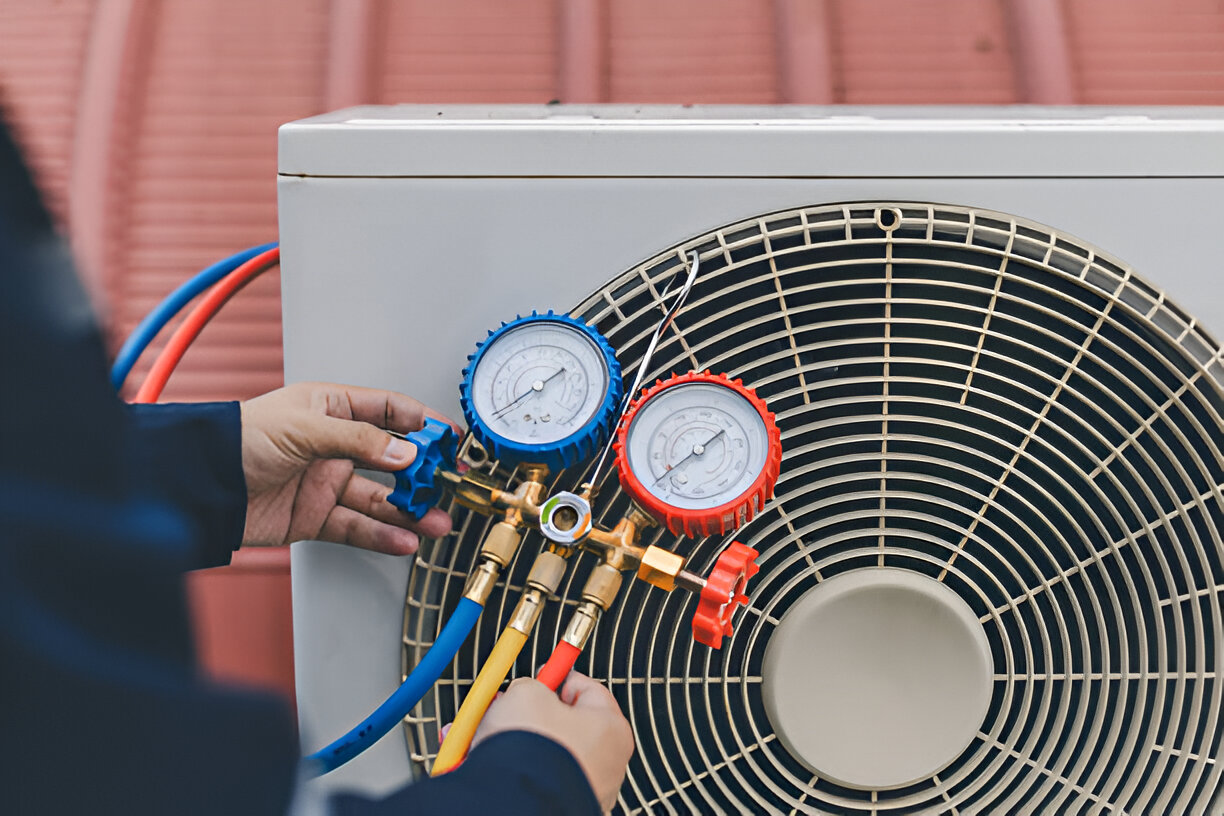
- Diagnostic measurements: Use tools such as multimeters, refrigerant gauges, combustion analyzers, and infrared cameras to quantify problems.
- Duct and airflow checks: Measure static pressure, airflow, and inspect ductwork for leaks or contamination.
- Report preparation: Produce a written report that explains problems in plain language, ranks priorities (safety, performance, efficiency), and outlines recommended repairs or further testing.
Typical inspections take about 60 to 90 minutes for a standard residential setup; larger or more complex systems take longer, especially if duct camera work or advanced testing is included.
Common repairs and solutions identified by inspections
After an inspection, common corrective actions include:
- Refrigerant leak repair and recharge to restore cooling capacity
- Coil cleaning and condensate drain clearing to prevent overflow and microbial growth
- Duct sealing and insulation to stop conditioned air loss and reduce humidity issues
- Electrical repairs: tighten or replace corroded connections, capacitors, and contactors
- Thermostat calibration or replacement for accurate temperature control
- Replacement of failed motors, compressors, or capacitors when repairs are not viable
- Heat exchanger repair or replacement in gas furnaces when unsafe conditions are detected
- Recommendations for system replacement when age, efficiency, or repeated failures justify it
Safety items such as carbon monoxide presence, cracked heat exchangers, or dangerous wiring are flagged as top priority for immediate action.
Pre-sale and pre-installation inspections
Specific inspections for home transactions or system upgrades focus on documentation and compatibility:
- Pre-sale/pre-purchase: Verify operational condition, identify hidden defects, and provide a written report buyers and sellers can rely on for negotiations or disclosure.
- Pre-installation: Confirm ductwork condition, electrical capacity, and space requirements; identify modifications needed for a proper, efficient installation; recommend system sizing to match home load in Montgomery’s climate.
Benefits of timely HVAC inspections in Montgomery
Regular inspections drive measurable value for Montgomery homeowners:
- Lower utility bills when systems run at designed efficiency
- Fewer emergency breakdowns during peak cooling months
- Improved indoor comfort and humidity control in a humid climate
- Reduced risk of safety hazards like carbon monoxide exposure
- Better resale value and smoother real estate transactions with inspection documentation
Practical maintenance tips for Montgomery homeowners
Small steps between inspections can prevent common problems:
- Replace or clean filters every 30 to 90 days depending on use and pets
- Keep outdoor condenser units free of leaves, debris, and shrub overgrowth
- Maintain adequate attic insulation and seal duct connections to limit heat gain
- Use a programmable thermostat to avoid unnecessary runtime while away
- Run full inspections before peak summer and after major storms or power outages
- Address any musty odors or visible mold quickly with professional evaluation
A thorough HVAC inspection in Montgomery, TX provides peace of mind, improves comfort, and protects your investment by identifying safety issues and efficiency losses early. The written report from a professional inspection gives clear, prioritized recommendations so you can make informed decisions about repairs, replacements, or pre-sale disclosures appropriate for local climate and home conditions.
Maintenance Plan You Can Rely On
Basic Care
Perfect for newer systems or budget-conscious homeowners wanting essential protection.
$149/year

Annual comprehensive system inspection
Filter replacement (standard filters included)
15% discount on repairs
Priority scheduling within 48 hours
Premium Protection
Ideal for homes with systems 5+ years old or with moderate usage patterns.
$249/year

Bi-annual system inspections (spring & fall)
Filter replacement (premium filters included)
25% discount on all repairs
Priority scheduling within 24 hours
Free diagnostic fees ($89 value)
Elite Coverage
Best for older systems, luxury homes, or properties with critical climate control needs.
$349/year
Quarterly system inspections
All filters and minor parts included
30% discount on major repairs
Same-day emergency service
Extended 2-year warranty on repairs
Annual system efficiency optimization
Basic Care
Perfect for newer systems or budget-conscious homeowners wanting essential protection.
$149/year
Annual comprehensive system inspection
Filter replacement (standard filters included)
15% discount on repairs
Priority scheduling within 48 hours
Premium Protection
Ideal for homes with systems 5+ years old or with moderate usage patterns.
$249/year
Bi-annual system inspections (spring & fall)
Filter replacement (premium filters included)
25% discount on all repairs
Priority scheduling within 24 hours
Free diagnostic fees ($89 value)
Elite Coverage
Best for older systems, luxury homes, or properties with critical climate control needs.
$349/year
Quarterly system inspections
All filters and minor parts included
30% discount on major repairs
Same-day emergency service
Extended 2-year warranty on repairs
Annual system efficiency optimization
Hear What Our Satisfied Clients Have To Say