
HVAC Inspection in The Woodlands, TX
HVAC inspection in The Woodlands, TX ensures safety, efficiency, and lasting comfort. Schedule now for a clear maintenance plan.
Scroll down to discover more

HVAC Inspection in The Woodlands, TX
A comprehensive HVAC inspection in The Woodlands, TX by Stat Air Care Air Conditioning & Heating protects your comfort, home value, and energy budget. With long, hot summers and year-round humidity, HVAC systems in The Woodlands work harder than in many other places. Stat Air Care Air Conditioning & Heating knows that extra load increases wear and makes timely inspections essential—whether you are preparing to sell a home, diagnosing an unexplained problem, or planning seasonal maintenance.
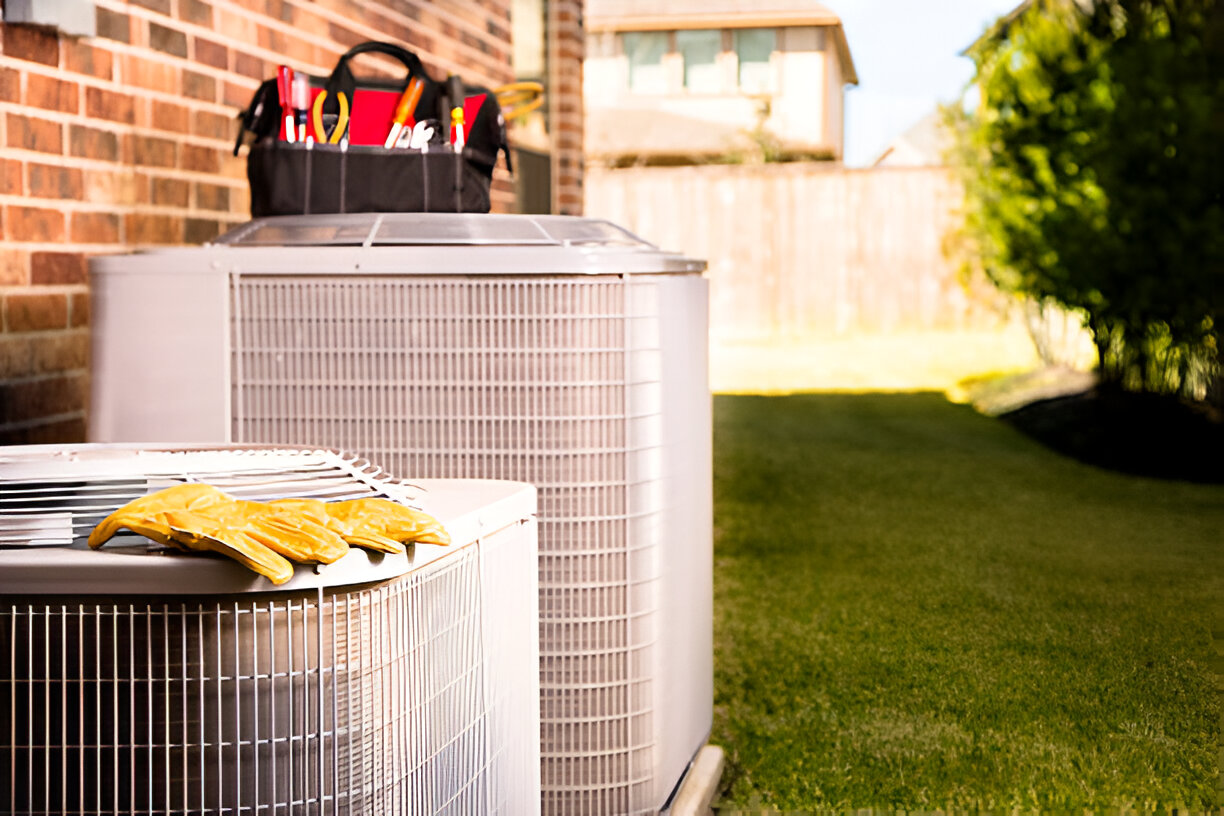
What a full HVAC inspection covers
A thorough inspection evaluates every major system component and identifies safety risks, performance losses, and efficiency opportunities. Typical items evaluated include:
- Outdoor condensing unit and compressor: visual condition, mounting, fan operation, coil cleanliness, and refrigerant charge checks.
- Indoor evaporator coil and air handler: coil condition, blower motor performance, belts, and fan balance.
- Ductwork: connections, visible leaks, insulation condition, and air distribution balance.
- Electrical components: contactors, capacitors, breakers, fuses, wiring integrity, and control voltage.
- Refrigerant system: pressure readings, charge level, and leak detection procedures.
- Thermostat and controls: calibration, communication with equipment, and programming.
- Safety controls: limit switches, float switches, pressure switches, and combustion safety on gas equipment.
- Combustion components (gas furnaces): heat exchanger integrity, burner condition, and combustion gas analysis when needed.
- Condensate drain and pan: flow, blockages, and mold risk.
- Indoor air quality indicators: filter condition, humidity trends, and visible mold or dust accumulation.
Types of inspections
- Pre-sale HVAC inspection in The Woodlands: A detailed, objective report for buyers or sellers that describes system condition, expected life span, and recommended repairs to support disclosure and negotiation.
- Diagnostic inspection: Triggered by performance issues such as poor cooling, short cycling, unusual noises, or high utility bills. Focuses on root-cause testing.
- Seasonal or preventative inspection: Regular tune-up to optimize efficiency and prevent emergency failures before peak summer or winter demand.
- Safety and compliance inspection: Focused on gas lines, combustion safety, CO risk, and electrical hazards.
The inspection process — what to expect
Inspections follow a consistent sequence to ensure completeness and reliable recommendations:
- Visual walk-around: Check for physical damage, debris, clearance around equipment, and drainage routing.
- Operational check: Run heating and cooling modes to observe startup behavior, cycling, and noise.
- Performance testing: Measure temperature split across the coil, airflow estimates, and refrigerant pressures to evaluate efficiency.
- Electrical testing: Use multimeter and amp clamp to test voltages, currents, and component health.
- Leak and combustion testing: Refrigerant leak detection and combustion analysis for gas systems when indicated.
- Duct inspection: Inspect visible duct runs and, when necessary, suggest more detailed testing such as duct leakage testing or camera inspection.
- Condition report: Deliver a clear, prioritized report describing findings, safety concerns, recommended corrective actions, and estimated remaining useful life.
Technicians use common diagnostic tools such as refrigerant gauges, infrared cameras, combustion analyzers, and multimeters. Results are presented in plain language so homeowners and buyers understand what to fix now and what can be scheduled.
Common HVAC inspection issues in The Woodlands, TX
Local climate and housing stock create a set of recurring problems:
- Dirty coils and restricted airflow: High humidity and pollen loads in spring reduce coil efficiency and can cause ice-up or compressor strain.
- Clogged condensate drains and mold: Moisture and organic debris lead to clogs, overflow, and microbial growth inside drain pans and ductwork.
- Refrigerant leaks: Aging systems commonly lose refrigerant, reducing cooling capacity and increasing runtime.
- Duct leakage and poor insulation: Leaky or poorly insulated ducts in attics or crawlspaces cause significant energy loss in The Woodlands where cooling demand is high.
- Electrical wear and failing capacitors: Frequent cycling in hot months shortens the life of capacitors, contactors, and motors.
- Corrosion and outdoor unit wear: Humidity accelerates corrosion of outdoor coils and electrical contacts.
- Age-related failures: Units beyond 10 to 15 years often show multiple failing components and diminished efficiency.
Recommended corrective actions and prioritization
Inspection findings are typically grouped into safety-critical, performance-impacting, and preventative recommendations:
- Safety-critical: Address immediately. Examples include gas leaks, cracked heat exchangers, blocked condensate drains causing overflow, or electrical hazards.
- Performance and comfort: High priority within weeks. Examples include refrigerant leak repair and recharge, replacing failed capacitors or motors, and repairing significant duct leaks.
- Preventative and efficiency improvements: Scheduled work. Examples include coil cleaning, duct sealing and insulation, thermostat upgrades, and balancing airflow.
When repairs are costly or multiple major components are near end of life, inspection reports will include a replacement recommendation with an estimate of remaining useful life and likely efficiency gains from a new system.
How inspection results inform maintenance and replacement decisions
A professional inspection provides data, not just opinion. Typical outcomes include:
- Condition rating and life expectancy: A realistic estimate of how many years the system is likely to run before replacement is the most valuable piece of information for buyers and homeowners.
- Energy and cost impact: Identifying inefficient components helps forecast potential savings from repairs versus replacement.
- Safety and liability considerations: For sellers, pre-sale inspections clarify disclosure obligations and reduce later legal risk. For homeowners, safety findings determine immediate priorities.
- Maintenance planning: Inspections produce a prioritized maintenance schedule that spreads work across seasons to avoid emergency failures.
- Replacement timing: If multiple high-cost issues emerge on an older system, replacement may be more economical than incremental repairs. Inspection reports outline that cost-benefit picture.
Long-term benefits and maintenance advice for The Woodlands homes
Regular inspections reduce emergency repairs, lower energy bills, and extend equipment life. In The Woodlands, schedule inspections before the heavy cooling season and again in late fall if you use heat. Practical steps to keep systems healthy include:
- Replace air filters monthly during peak pollen season and at least quarterly otherwise.
- Keep outdoor unit clear of vegetation, debris, and direct sunlight where possible to improve efficiency.
- Ensure attic and duct insulation are in good condition to reduce cooling load.
- Clean condensate drains annually to prevent overflow and mold.
- Consider a programmable or smart thermostat to reduce runtime and even out cycles.
- Plan for a full replacement when inspections show multiple failing major components or when estimated remaining life is short.
A focused HVAC inspection in The Woodlands, TX gives you clarity about safety, efficiency, and cost. Properly executed inspections protect your comfort and investment and provide a defensible basis for maintenance or replacement decisions tailored to the local climate and home conditions.
Maintenance Plan You Can Rely On
Basic Care
Perfect for newer systems or budget-conscious homeowners wanting essential protection.
$149/year

Annual comprehensive system inspection
Filter replacement (standard filters included)
15% discount on repairs
Priority scheduling within 48 hours
Premium Protection
Ideal for homes with systems 5+ years old or with moderate usage patterns.
$249/year

Bi-annual system inspections (spring & fall)
Filter replacement (premium filters included)
25% discount on all repairs
Priority scheduling within 24 hours
Free diagnostic fees ($89 value)
Elite Coverage
Best for older systems, luxury homes, or properties with critical climate control needs.
$349/year
Quarterly system inspections
All filters and minor parts included
30% discount on major repairs
Same-day emergency service
Extended 2-year warranty on repairs
Annual system efficiency optimization
Basic Care
Perfect for newer systems or budget-conscious homeowners wanting essential protection.
$149/year
Annual comprehensive system inspection
Filter replacement (standard filters included)
15% discount on repairs
Priority scheduling within 48 hours
Premium Protection
Ideal for homes with systems 5+ years old or with moderate usage patterns.
$249/year
Bi-annual system inspections (spring & fall)
Filter replacement (premium filters included)
25% discount on all repairs
Priority scheduling within 24 hours
Free diagnostic fees ($89 value)
Elite Coverage
Best for older systems, luxury homes, or properties with critical climate control needs.
$349/year
Quarterly system inspections
All filters and minor parts included
30% discount on major repairs
Same-day emergency service
Extended 2-year warranty on repairs
Annual system efficiency optimization
Hear What Our Satisfied Clients Have To Say