
HVAC Repair in The Woodlands, TX
HVAC repair in The Woodlands, TX: professional diagnostics, transparent parts and labor, and rapid emergency service. Schedule now for reliable comfort.
Scroll down to discover more

HVAC Repair in The Woodlands, TX
Keeping your heating, ventilation, and air conditioning system running reliably is essential in The Woodlands’ hot, humid climate. HVAC breakdowns here not only reduce comfort but can allow humidity to build indoors, increasing mold risk and energy bills; Stat Air Care Air Conditioning & Heating provides the professional service needed to keep your system efficient.
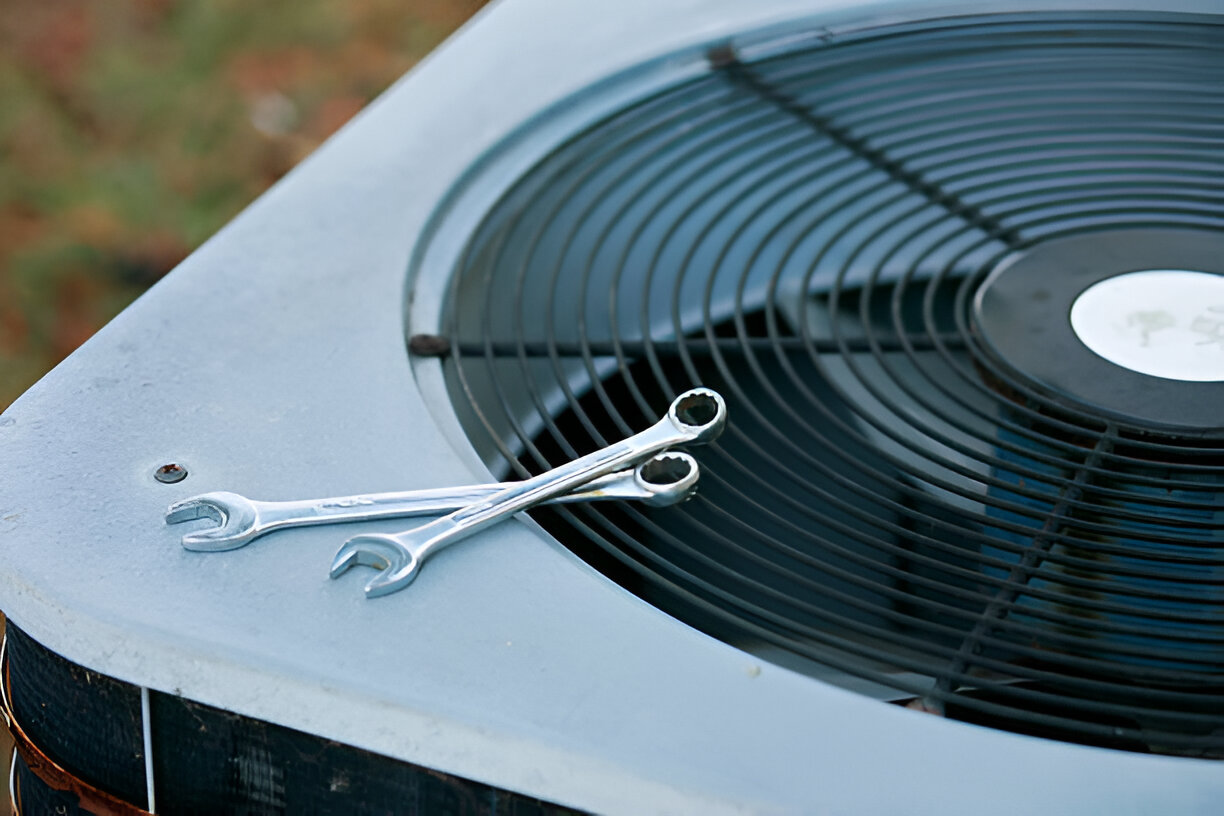
Why timely HVAC repair matters in The Woodlands
- Summer heat and high humidity put continuous strain on cooling systems; small issues quickly become major failures.
- Severe weather and tropical storms can cause power surges, flooding, or system damage that require fast, knowledgeable response.
- Proper repair restores comfort, reduces energy use, prevents indoor air quality problems, and prolongs equipment life.
Common HVAC problems in The Woodlands homes
- Insufficient cooling or uneven temperatures — often caused by refrigerant leaks, compressor problems, blocked coils, or failing thermostats.
- System short-cycling — frequent on/off cycles from refrigerant restriction, oversized equipment, or electrical issues.
- Weak airflow — dirty filters, failing blowers, duct leaks, or closed registers. Humidity can worsen perceived airflow problems.
- Frozen evaporator coils — typically due to low refrigerant, poor airflow, or refrigerant metering device failures.
- Electrical failures — tripped breakers, capacitor or contactor failures, and control board issues after storms.
- Strange noises or odors — loose components, failing motors, mold, or burned electrical parts.
- Heat pump or furnace failures in cooler months — failed reversing valves, ignition issues, or blocked condensate drains.
- Duct leaks and insulation problems — common in older homes and exacerbated by high humidity and attic heat.
How we diagnose HVAC issues (what to expect)
A thorough diagnostic process focuses on safety and root cause identification:
- System history and symptoms — technician documents runtime patterns, noises, odors, and thermostat behavior.
- Visual and safety checks — inspect electrical connections, drain lines, filters, and visible ductwork.
- Operational testing — measure temperature splits, refrigerant pressures, voltages, and airflow.
- Component inspection — check capacitors, contactors, motors, compressors, coils, and control boards.
- Moisture and indoor air checks — assess humidity impact and signs of mold or microbial growth.
- Estimate and options — explain findings, outline repair steps, parts needed, and expected timeline or replacement recommendation.
Emergency response procedures
The Woodlands residents often need fast response during summer peaks or after storms. Emergency repair protocols commonly include:
- Priority triage for unsafe conditions (gas leaks, electrical arcing, burning smells).
- Immediate safety actions such as isolating power, shutting off gas, and stabilizing systems to prevent further damage.
- Temporary fixes to restore basic cooling or heating while ordering parts (e.g., bypassing a failed contactor or installing temporary condensate solutions).
- Clear communication about risks, next steps, and expected arrival for parts or follow-up work.
During hurricane season, technicians also check for water intrusion, surge-damaged electronics, and refrigerant or compressor stress from extended outages.
Typical repair timelines
- Minor repairs and adjustments (thermostat reprogramming, filter replacement, condensate unclogs): same-day or within a few hours.
- Common component replacements (capacitor, contactor, thermostat, blower motor): often same-day or next day if parts are on hand.
- Refrigerant repairs and leak sealing: 1–2 days depending on leak location and availability of approved refrigerant. Older systems using phased-out refrigerants may require longer sourced components.
- Compressor or major outdoor unit work: 1–3 days due to heavier parts and potential special-order items.
- Complex ductwork or major control replacements: multi-day, depending on scope and access.
These are typical timelines; actual duration depends on part availability, system age/type, and weather conditions.
Parts and labor — what to expect
- Genuine or OEM-equivalent parts are recommended for longevity and compatibility; aftermarket options may be used when appropriate and disclosed.
- Labor transparency: professional estimates itemize parts and labor required, and technicians explain warranty coverage on parts and workmanship.
- Warranty: many repairs include a workmanship warranty and manufacturer warranties may apply to specific components. Verify coverage before proceeding.
- Refrigerant considerations: older systems that use R-22 or other phased-out refrigerants can be more costly to service; technicians will explain alternatives such as retrofits or replacement options.
Examples of repairs handled
- Replacing a failing compressor causing complete loss of cooling during peak summer.
- Repairing refrigerant leaks and recharging systems, followed by coil cleaning to restore efficiency.
- Fixing short-cycling units by replacing a failing thermostat and adjusting system controls.
- Restoring airflow by repairing blower motors and sealing duct leaks in attic runs heated by summer sun.
- Clearing blocked condensate drains and replacing rusted drain pans to prevent indoor water damage and mold.
- Repairing heat pump reversing valves and defrost controls during cooler spells.
Repair vs replacement: decision factors
Consider repair when:
- The problem is isolated, parts are readily available, and the unit is relatively new (generally under 8–10 years for conventional systems).
- Repair restores efficiency and reliability at a reasonable cost compared to replacement.
Consider replacement when: - The system is older (often 10–15+ years), requires frequent repairs, or uses phased-out refrigerants that are costly or unavailable.
- Energy efficiency gains (higher SEER ratings, modern heat pump technology) will recover replacement costs over time through lower utility bills—especially important in The Woodlands where cooling dominates energy use.
- Repairs expose hidden issues like widespread duct damage, rusted coils, or repeated compressor failures that indicate end-of-life.
Technicians should provide a clear cost-comparison with expected lifetime savings and comfort improvements to help make an informed choice.
Ongoing maintenance and prevention tips for The Woodlands homes
- Change or clean filters regularly—high humidity and outdoor pollen can clog systems faster.
- Schedule seasonal tune-ups: pre-summer cooling checks and late-fall heating inspections.
- Keep outdoor units clear of debris, leaves, and landscaping to maintain airflow.
- Monitor humidity and use dehumidification strategies if indoor RH remains high.
- Address odd noises, odors, or reduced output promptly to avoid storm-season or summer peak failure.
Timely, expert HVAC repair in The Woodlands, TX restores comfort, protects indoor air quality, and extends equipment life. A clear diagnostic, transparent parts and labor approach, and careful consideration of the local climate and storm risks ensure repairs solve immediate problems and reduce the chance of repeat failures.
Maintenance Plan You Can Rely On
Basic Care
Perfect for newer systems or budget-conscious homeowners wanting essential protection.
$149/year

Annual comprehensive system inspection
Filter replacement (standard filters included)
15% discount on repairs
Priority scheduling within 48 hours
Premium Protection
Ideal for homes with systems 5+ years old or with moderate usage patterns.
$249/year

Bi-annual system inspections (spring & fall)
Filter replacement (premium filters included)
25% discount on all repairs
Priority scheduling within 24 hours
Free diagnostic fees ($89 value)
Elite Coverage
Best for older systems, luxury homes, or properties with critical climate control needs.
$349/year
Quarterly system inspections
All filters and minor parts included
30% discount on major repairs
Same-day emergency service
Extended 2-year warranty on repairs
Annual system efficiency optimization
Basic Care
Perfect for newer systems or budget-conscious homeowners wanting essential protection.
$149/year
Annual comprehensive system inspection
Filter replacement (standard filters included)
15% discount on repairs
Priority scheduling within 48 hours
Premium Protection
Ideal for homes with systems 5+ years old or with moderate usage patterns.
$249/year
Bi-annual system inspections (spring & fall)
Filter replacement (premium filters included)
25% discount on all repairs
Priority scheduling within 24 hours
Free diagnostic fees ($89 value)
Elite Coverage
Best for older systems, luxury homes, or properties with critical climate control needs.
$349/year
Quarterly system inspections
All filters and minor parts included
30% discount on major repairs
Same-day emergency service
Extended 2-year warranty on repairs
Annual system efficiency optimization
Hear What Our Satisfied Clients Have To Say