
HVAC Inspection in Willis, TX
HVAC inspection in Willis, TX identifies safety risks, refrigerant leaks, and performance improvements to lower costs—schedule your inspection today.
Scroll down to discover more

HVAC Inspection in Willis, TX
Keeping your HVAC system running reliably and efficiently is critical in Willis, TX, where Stat Air Care Air Conditioning & Heating helps residents manage long, hot, humid summers and high pollen counts. A professional HVAC inspection in Willis, TX by Stat Air Care Air Conditioning & Heating identifies safety hazards, uncovers hidden problems, and delivers clear recommendations so you can avoid surprise breakdowns, reduce energy costs, and protect your home or investment.
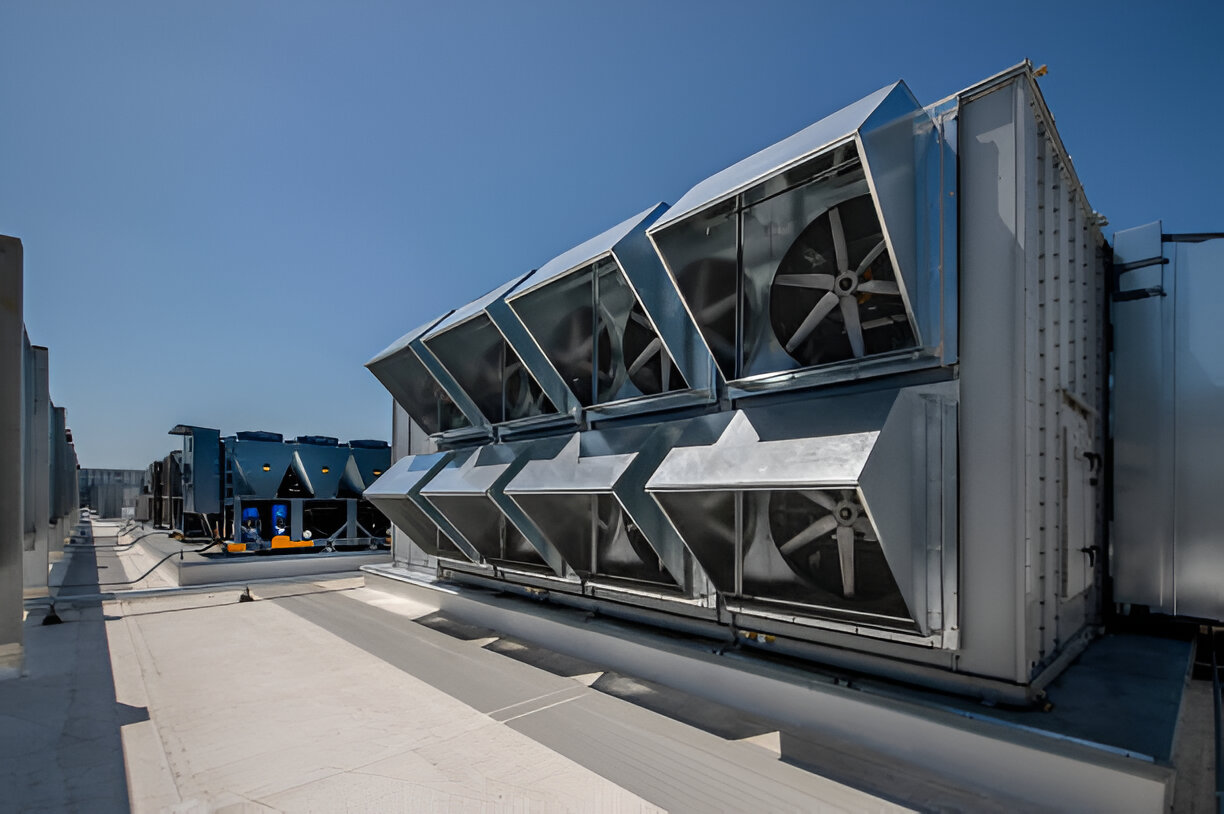
Why a professional inspection matters in Willis homes
Willis residents face prolonged cooling seasons, high humidity, and seasonal storms that can accelerate wear on condensers, corroded coil fins, duct leaks, and mold growth in ductwork or drip pans. A thorough inspection focuses on both safety and performance:
- Detects carbon monoxide risks from gas furnaces or poorly vented equipment
- Finds refrigerant leaks that reduce comfort and increase energy use
- Identifies airflow and duct issues that create hot and cold spots and promote allergens
- Verifies safe electrical operation to prevent failures during peak demand
What an HVAC inspection covers (comprehensive checklist)
A full inspection typically follows a structured checklist so nothing is missed. Key elements include:
- Safety inspection
- Carbon monoxide (CO) testing at vents and returns
- Gas line and burner integrity check
- Electrical connections, breakers, and grounding inspection
- Condensate drainage and overflow safeguards
- Refrigerant and leak detection
- Visual and electronic leak detection around the outdoor unit, evaporator coil, and service ports
- Refrigerant level and operating pressures checked for proper charge
- Evaluation of compressor health and cycling behavior
- Duct and airflow assessment
- Visual inspection of accessible ductwork for leaks, damage, and insulation gaps
- Airflow testing at registers and static pressure checks to identify restrictions
- Balance and distribution evaluation—ensuring supply and return paths are clear
- System performance and components
- Thermostat calibration and control testing
- Blower motor, belts, and fan performance
- Condenser and evaporator coil condition, cleaning needs, and fin integrity
- Capacitors, contactors, and start/run components tested
- System runtime diagnostics and short-cycling checks
- Indoor air quality factors
- Filter condition and recommendations for MERV-level upgrades
- Inspection for biological growth in drip pans and ducts
- Assessment of ventilation and humidity control needs
- Pre-purchase and pre-season options
- Pre-purchase inspections that provide equipment age, estimated remaining life, and likely near-term repairs
- Pre-season inspections focused on preventing summer or winter failures and optimizing efficiency
The inspection process — what to expect
A quality inspection is thorough but transparent. Typical steps performed by a certified technician:
- Initial walkthrough to document system type, age, and any homeowner concerns.
- Safety tests first: CO detection, gas leak checks, and electrical hazard identification.
- Operational tests while running: temperature splits, refrigerant performance, and cycling behavior.
- Duct and airflow checks to locate restrictions or leaks affecting comfort.
- Targeted testing for suspected problems (electronic leak detection, blower door or pressure checks when needed).
- Photos and measurements recorded for each major finding.
- A detailed inspection report delivered after the visit with prioritized recommendations.
Inspection reporting and recommendations
An inspection should conclude with a clear, written report that you can use to make informed decisions. A useful report will include:
- Executive summary: system condition and safety status
- Itemized findings with photos and measured values
- Prioritized recommendations: immediate safety fixes, efficiency upgrades, and long-term replacement planning
- Cost categories (repair vs upgrade) explained in plain language
- Certification if the system meets safety and performance standards (if applicable)
For pre-purchase inspections, reports often include an estimated remaining service life and potential red flags to negotiate in a real estate transaction.
Common HVAC issues in Willis, TX and how inspections address them
- Reduced cooling capacity in summer: Caused by low refrigerant, dirty coils, or airflow problems; inspections pinpoint the root cause so repairs restore performance.
- High humidity and condensation problems: Poor airflow or clogged drain lines can cause moisture buildup; inspections identify and correct drainage and airflow issues.
- Short cycling and frequent shutdowns: Often electrical, thermostat, or refrigerant-related; diagnostics reveal failing components before they cause a full outage.
- Duct leaks and poor insulation: Attic heat and unsealed ducts increase energy use; inspections locate leaks and recommend sealing or insulation improvements.
- Corroded outdoor units after storms or salt air: Early detection of corrosion and compromised components prevents compressor failure.
Repairs, upgrades, and certification
Inspections often lead to either repairs or recommended upgrades. Common solutions include:
- Sealing or repairing ductwork and improving insulation
- Repairing refrigerant leaks and correcting charge
- Replacing failed capacitors, contactors, or worn blower motors
- Cleaning or replacing coils and drain lines
- Upgrading thermostats for better control and efficiency
- Improving ventilation and adding humidity control where needed
If your system meets applicable safety and performance criteria, a technician can provide a certificate of inspection or compliance, useful for landlords, real estate transactions, or warranty documentation.
Long-term benefits and maintenance tips
Regular professional inspections extend equipment life, lower energy bills, and reduce emergency repairs. In Willis, schedule an inspection before peak cooling season and again if you notice performance changes. Simple homeowner maintenance between inspections helps, too:
- Change or clean filters monthly during heavy use
- Keep outdoor units free of debris, grass, and vegetation
- Ensure vents and returns are not blocked by furniture
- Monitor for unusual noises, odors, or rising utility bills
A comprehensive HVAC inspection in Willis, TX gives you a prioritized roadmap for safety, efficiency, and comfort. With clear reporting and practical recommendations, you can make informed choices about repairs, upgrades, or replacement based on local climate impacts and your home’s needs.
Maintenance Plan You Can Rely On
Basic Care
Perfect for newer systems or budget-conscious homeowners wanting essential protection.
$149/year

Annual comprehensive system inspection
Filter replacement (standard filters included)
15% discount on repairs
Priority scheduling within 48 hours
Premium Protection
Ideal for homes with systems 5+ years old or with moderate usage patterns.
$249/year

Bi-annual system inspections (spring & fall)
Filter replacement (premium filters included)
25% discount on all repairs
Priority scheduling within 24 hours
Free diagnostic fees ($89 value)
Elite Coverage
Best for older systems, luxury homes, or properties with critical climate control needs.
$349/year
Quarterly system inspections
All filters and minor parts included
30% discount on major repairs
Same-day emergency service
Extended 2-year warranty on repairs
Annual system efficiency optimization
Basic Care
Perfect for newer systems or budget-conscious homeowners wanting essential protection.
$149/year
Annual comprehensive system inspection
Filter replacement (standard filters included)
15% discount on repairs
Priority scheduling within 48 hours
Premium Protection
Ideal for homes with systems 5+ years old or with moderate usage patterns.
$249/year
Bi-annual system inspections (spring & fall)
Filter replacement (premium filters included)
25% discount on all repairs
Priority scheduling within 24 hours
Free diagnostic fees ($89 value)
Elite Coverage
Best for older systems, luxury homes, or properties with critical climate control needs.
$349/year
Quarterly system inspections
All filters and minor parts included
30% discount on major repairs
Same-day emergency service
Extended 2-year warranty on repairs
Annual system efficiency optimization
Hear What Our Satisfied Clients Have To Say