
HVAC Installation in Montgomery, TX
Montgomery, TX HVAC installation experts guide sizing, permits, and steps. Learn about energy-saving options and warranties for your system.
Scroll down to discover more

HVAC Installation in Montgomery, TX
Replacing or installing a new HVAC system with Stat Air Care Air Conditioning & Heating is one of the most important investments for comfort and energy efficiency in Montgomery, TX homes. With long, hot, humid summers and occasional severe storms, the right system and a professional installation process protect indoor air quality, reduce energy bills, and maintain reliable performance year after year.
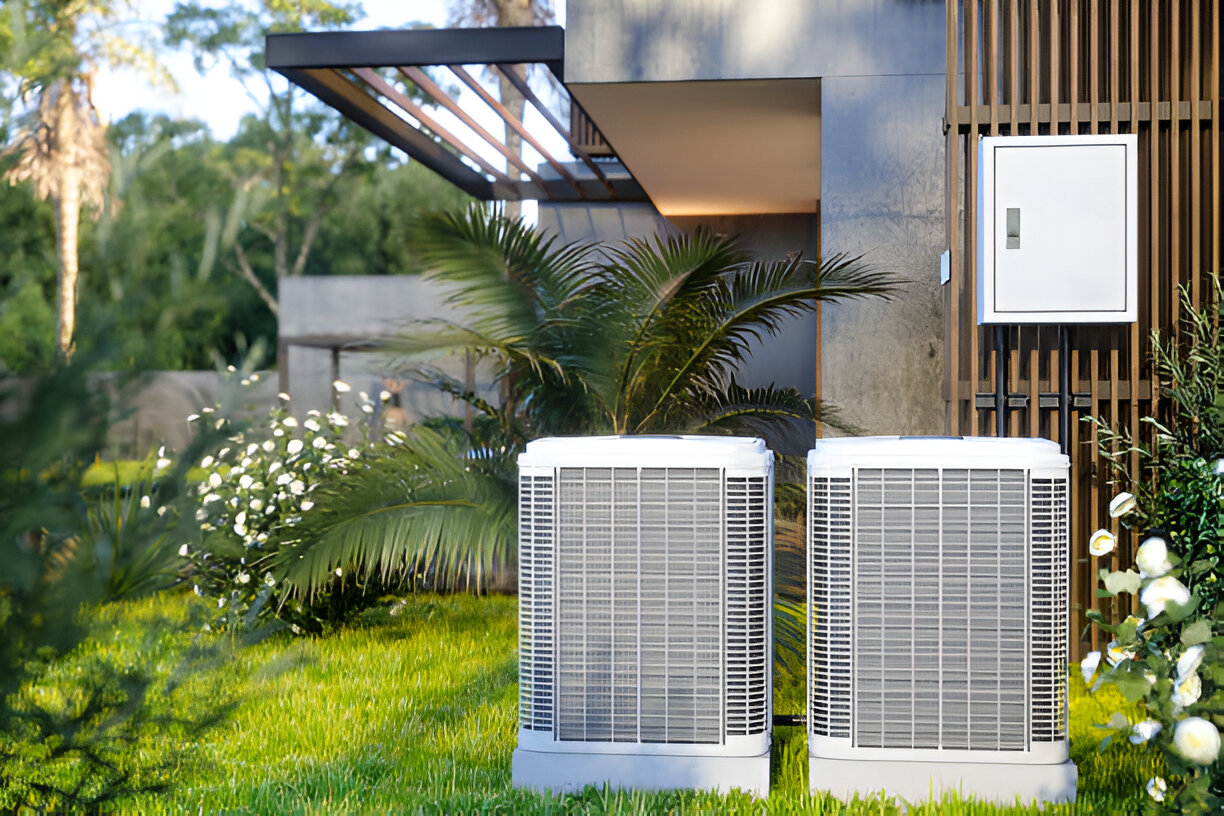
Why a proper installation matters in Montgomery, TX
Montgomery’s climate drives higher cooling demands and humidity control needs. Poorly sized equipment, undersized ductwork, or improper refrigerant charge can lead to:
- Short cycling and premature equipment failure
- High energy bills during peak summer months
- Inadequate dehumidification and comfort complaints
- Uneven temperatures across the home, especially in two-story houses
A professional, code-compliant installation reduces these risks and ensures the system performs efficiently under local conditions.
Common HVAC installation types and common issues in Montgomery, TX
- Central air conditioner replacement: common when older units lose efficiency. Issues often stem from mismatched indoor and outdoor components or aged ductwork.
- Heat pump installation: increasingly popular for energy savings. Common pitfalls include incorrect refrigerant charge or insufficient defrost settings for cold snaps.
- Furnace replacement (gas/electric): in mixed-climate homes, compatibility with existing ductwork and proper venting are critical.
- Full system replacement with ductwork upgrade: required when ducts are leaky, poorly insulated, or inadequately sized for the new system.
- Zoned systems and smart thermostat integration: can solve uneven comfort but require careful planning for dampers, controls, and wiring.
Initial consultation and load/sizing assessment
A reliable installation begins with a site visit and a comprehensive assessment. Key steps include:
- Home inspection: evaluating insulation, roof orientation, windows, attic condition, and existing ductwork.
- Load calculation: performing a Manual J load calculation to determine precise heating and cooling requirements rather than relying on rule-of-thumb sizing.
- Duct design: using Manual D principles to size and balance ductwork or to determine necessary modifications for airflow and static pressure.
- Equipment selection: referencing Manual S guidelines to compare models that meet the calculated load while optimizing efficiency and comfort.
This assessment ensures the chosen equipment matches your home’s actual needs in Montgomery’s hot, humid climate.
Energy-efficient model options
Energy efficiency lowers operating costs and increases comfort. Common energy-focused options include:
- High-SEER air conditioners and heat pumps: higher SEER ratings deliver notable cooling savings in Montgomery’s long cooling season.
- Variable-speed compressors and multi-stage systems: improve humidity control and reduce short cycling.
- High-efficiency furnaces and modulating gas valves: for homes needing enhanced heating performance and lower fuel use during mild winters.
- Zoned systems and smart thermostats: allow temperature control by area, reducing wasted conditioning in unused rooms.
- Enhanced filtration and dehumidification options: important for local pollen and humidity control to maintain healthy indoor air.
When evaluating models, consider both manufacturer efficiency ratings and how the equipment will perform with your home’s ductwork and layout.
Professional installation steps
A proper installation follows a structured process to ensure safety, code compliance, and optimal performance:
- Pre-install preparation: obtaining required permits, ordering equipment, and scheduling a time that allows for a full installation day.
- Demolition and removal: safely removing old equipment and preparing work areas, protecting floors and landscaping from debris.
- Mechanical installation: setting the outdoor unit, mounting and connecting the indoor unit or air handler, and installing or modifying ductwork and airflow components.
- Refrigerant and electrical connections: charging the refrigerant to manufacturer specifications and making secure electrical connections to meet local code.
- Controls and thermostat setup: installing and programming thermostats, sensors, and zoning controls as needed.
- Commissioning and balancing: adjusting dampers and balancing airflow to achieve designed CFM in each room.
Each step is documented and checked to meet performance and safety standards.
Permits and code compliance
HVAC work in Montgomery typically requires permits and inspections to ensure compliance with Montgomery County and Texas state building and mechanical codes. That process usually includes:
- Submitting equipment specifications and permit applications prior to work
- Passing electrical and mechanical inspections after installation
- Adhering to refrigerant handling and disposal rules
- Meeting ventilation and combustion air requirements for gas appliances
Permits protect homeowners and ensure installations meet minimum safety and efficiency standards.
Timeline and what to expect on installation day
Typical timelines vary by project scope:
- Simple system replacement (same size, same location): often completed in 1 day.
- System changeouts with minor ductwork or control upgrades: commonly 1–2 days.
- Full system replacement with major duct redesign or additional exterior work: may take 2–5 days.On installation day expect clear staging of work, protective measures to minimize dust, and final walkthrough after commissioning to explain system operation and maintenance basics.
Post-installation testing and verification
After installation, a thorough testing protocol confirms the system is operating correctly:
- Refrigerant charge verification and leak checks
- Airflow measurement and static pressure testing
- Thermostat calibration and control checks
- Safety checks on electrical, gas, and combustion components (if applicable)
- System performance verification under load to confirm temperature drop and humidity control
A documented startup report is a good sign of professional work and gives you records for warranty and future maintenance.
Warranties and ongoing care
Most new HVAC equipment includes manufacturer warranties for parts and compressors, and reputable installations include a labor warranty from the installer. Important warranty considerations:
- Understand what is covered by the manufacturer versus the installer
- Keep the startup report and installation documentation for warranty claims
- Follow recommended maintenance schedules to preserve warranty validity, such as seasonal inspections, filter changes, and refrigerant checks
Regular preventive maintenance maximizes system life and performance in Montgomery’s demanding climate.
Final considerations and maintenance advice
Choosing the right HVAC system for Montgomery, TX means balancing efficiency, humidity control, and durability under local weather conditions. Prioritize accurate load assessments, ductwork integrity, and model features that address humidity and long cooling seasons. After installation, scheduled maintenance — including filter replacement, coil cleaning, and refrigerant checks — will protect your investment and maintain comfort year-round.
With the right planning, professional installation, and ongoing care, a new HVAC system will deliver reliable comfort, lower energy use, and better indoor air quality tailored to Montgomery, TX homes.
Maintenance Plan You Can Rely On
Basic Care
Perfect for newer systems or budget-conscious homeowners wanting essential protection.
$149/year

Annual comprehensive system inspection
Filter replacement (standard filters included)
15% discount on repairs
Priority scheduling within 48 hours
Premium Protection
Ideal for homes with systems 5+ years old or with moderate usage patterns.
$249/year

Bi-annual system inspections (spring & fall)
Filter replacement (premium filters included)
25% discount on all repairs
Priority scheduling within 24 hours
Free diagnostic fees ($89 value)
Elite Coverage
Best for older systems, luxury homes, or properties with critical climate control needs.
$349/year
Quarterly system inspections
All filters and minor parts included
30% discount on major repairs
Same-day emergency service
Extended 2-year warranty on repairs
Annual system efficiency optimization
Basic Care
Perfect for newer systems or budget-conscious homeowners wanting essential protection.
$149/year
Annual comprehensive system inspection
Filter replacement (standard filters included)
15% discount on repairs
Priority scheduling within 48 hours
Premium Protection
Ideal for homes with systems 5+ years old or with moderate usage patterns.
$249/year
Bi-annual system inspections (spring & fall)
Filter replacement (premium filters included)
25% discount on all repairs
Priority scheduling within 24 hours
Free diagnostic fees ($89 value)
Elite Coverage
Best for older systems, luxury homes, or properties with critical climate control needs.
$349/year
Quarterly system inspections
All filters and minor parts included
30% discount on major repairs
Same-day emergency service
Extended 2-year warranty on repairs
Annual system efficiency optimization
Hear What Our Satisfied Clients Have To Say