
HVAC Installation in Porter, TX
Porter, TX HVAC installation service ensures proper sizing, efficient equipment, expert commissioning, and long-term comfort for your home.
Scroll down to discover more

HVAC Installation in Porter, TX
Replacing or installing an HVAC system is one of the most significant investments you’ll make for comfort, energy savings, and indoor air quality. In Porter, TX, where long, hot, humid summers put heavy demand on cooling systems, a properly planned and professionally executed HVAC installation from Stat Air Care Air Conditioning & Heating matters.
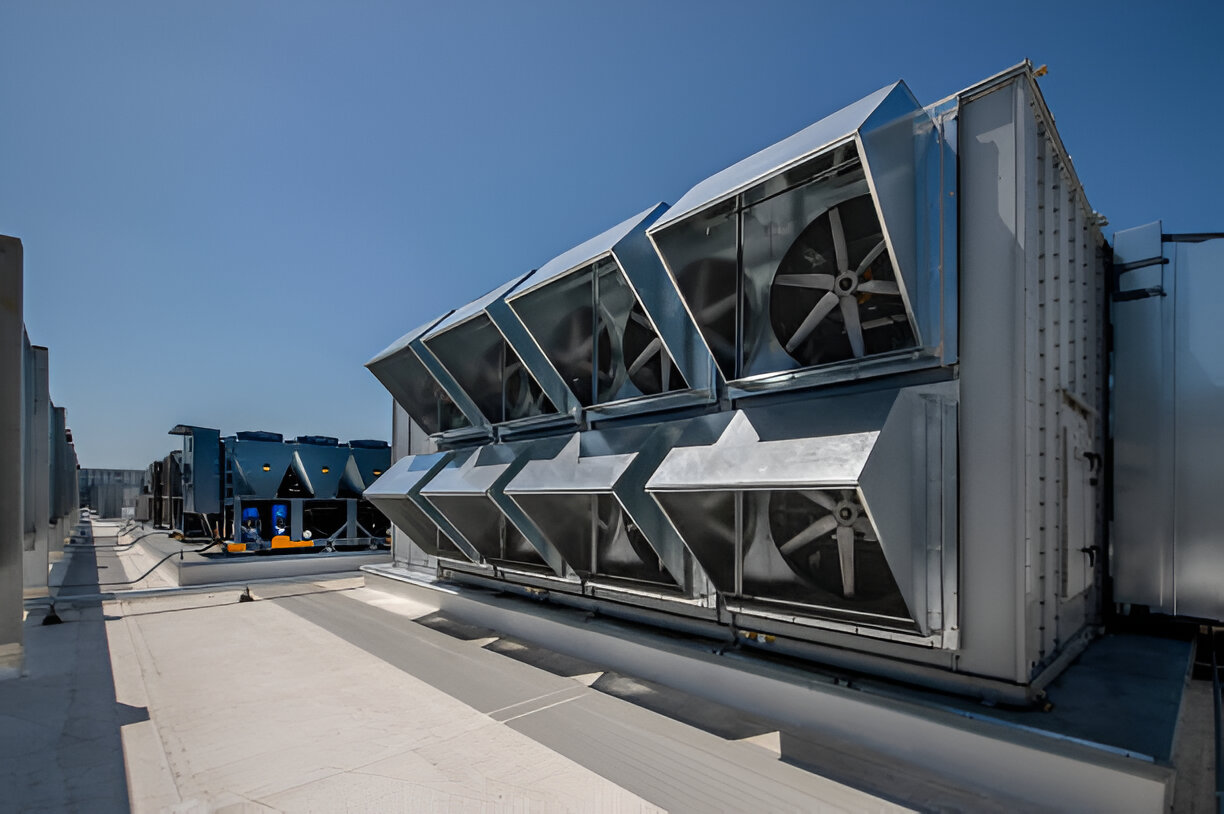
Why a right-sized, professional HVAC installation matters in Porter, TX
Porter’s climate amplifies the consequences of a poor installation. Oversized systems cycle too frequently, reduce dehumidification, and short-cycle compressors. Undersized systems run continuously, drive up energy bills, and shorten component life. Proper installation improves comfort, reduces humidity-related issues common in Montgomery County homes, and maximizes equipment life and warranty coverage.
Common HVAC installation needs and issues in Porter, TX
- Replacement of aging systems that no longer meet efficiency or reliability expectations
- Upgrading to higher SEER/efficiency units to reduce electric bills during long cooling seasons
- Ductwork repair or replacement in older or rural-style homes with leaky, undersized ducts
- Adding zoning or programmable thermostats for multi-level homes or open floor plans
- Addressing moisture and indoor air quality concerns with proper dehumidification and filtration
- Converting system types (e.g., heat pump installation for efficient year-round comfort)
The HVAC installation process: step-by-step
1. Initial consultation and site assessment
- Technician visits your home to review comfort complaints, energy bills, and existing equipment.
- Visual inspection of indoor and outdoor units, duct layout, attic insulation, and mechanical closet clearances.
- Discussion of performance goals: quieter operation, improved humidity control, better energy efficiency, or multi-zone comfort.
2. Load calculation and equipment selection
- A detailed Manual J load calculation determines the true heating and cooling needs based on square footage, insulation levels, window types, orientation, occupancy, and local climate factors. This replaces rule-of-thumb sizing and prevents oversizing.
- Based on the load, a Manual S selection ensures the chosen equipment (air conditioner, heat pump, furnace) matches requirements for capacity and efficiency. In Porter, emphasis is often placed on cooling capacity and dehumidification.
- Recommended equipment includes appropriate SEER ratings for cooling, correct heating efficiency for winter months, and compatible indoor units and controls. If ductwork is marginal, the technician may recommend right-sizing ducts or a variable-speed blower that improves airflow and comfort.
3. Permits and code compliance
- Permits are obtained per local requirements (county or municipal building codes). Proper permitting protects warranties and ensures the installation meets safety and energy codes common in Montgomery County.
- Licensed technicians follow electrical, refrigerant handling, ventilation, and combustion safety codes. Documentation is maintained for inspections and future warranty claims.
4. Preparing for installation
- Job planning includes scheduling access, verifying clearances for outdoor pads or rooftop units, and ensuring electrical service capacity.
- If replacement requires removing an existing unit, technicians will recover refrigerant properly and safely disconnect electrical and duct connections.
5. Professional installation steps
- Removal of old equipment and preparation of new equipment locations (pad, curb, or bracket).
- Proper refrigerant line sizing, brazing, and insulation to minimize losses.
- Indoor unit installation: secure coils, match airflow to manufacturer specs, and seal duct connections.
- Outdoor unit placement with level pad, proper clearances, and vibration isolation.
- Electrical hookup by qualified technicians, including proper breakers, disconnects, and grounding.
- Condensate drainage and overflow protection to avoid attic or crawlspace moisture issues.
- Installing or configuring thermostats and any zoning controls, including communicating thermostats for variable-speed systems.
6. Post-install testing and commissioning
- Thorough system checks: refrigerant charge validated (superheat/subcooling), airflow measured, static pressures checked, and blower speeds set to manufacturer specifications.
- Verify temperature split, thermostat calibration, safety controls, and proper operation of heating and cooling modes.
- Measure electrical draw and confirm the system operates within rated limits.
- Duct leakage testing or visual inspection to ensure plenums and registers are sealed.
- Walk-through with the homeowner to explain operation, filter replacement, and thermostat scheduling.
Financing, rebates, and incentives
- Many homeowners qualify for manufacturer rebates, local utility or municipal incentive programs, and federal energy-efficiency tax credits. Availability varies over time and by system efficiency.
- Financing options from third-party lenders or manufacturer programs can spread installation costs. Typical finance plans include fixed monthly payments or deferred interest offers; documentation and credit approval are required.
- To pursue incentives, keep purchase records, product model numbers, and installation receipts. Your installer will often provide necessary paperwork for rebate applications and equipment registration for warranties.
Warranty, documentation, and maintenance handoff
- New equipment typically includes manufacturer warranty on major components and labor warranty from the installer. Proper registration and receipt of warranty documents is essential.
- After installation, you should receive:
- Equipment manuals and warranty cards
- A summary of work performed and configuration settings (blower speed, thermostat program)
- Recommended maintenance schedule and filter specifications
- Regular preventive maintenance preserves efficiency and warranty eligibility. In Porter’s humid climate, bi-annual service is often advised: spring cooling check and fall heating check, including coil cleaning, condensate inspection, refrigerant level check, and electrical safety tests.
Practical tips for Porter homeowners before installation
- Gather recent energy bills to help identify usage patterns and sizing needs.
- Note areas with poor comfort or moisture problems so the installer can address localized issues or zoning needs.
- Review attic insulation and ventilation—the building envelope affects HVAC sizing and performance.
- Ask for documentation of load calculations and equipment specifications to ensure transparency and future service clarity.
Final benefits of a professional HVAC installation in Porter, TX
A correct, professionally completed HVAC installation delivers consistent comfort through Porter’s hot, humid summers and cooler months, reduces energy costs with efficient equipment, improves indoor air quality, and protects your investment with valid warranties and documented maintenance. Prioritizing proper sizing, ductwork integrity, code-compliant installation, and thorough commissioning ensures long-term performance and fewer unexpected repair costs.
If you value dependable comfort and long-term efficiency, understanding the full installation process prepares you to choose the right system and installer for your Porter home.
Maintenance Plan You Can Rely On
Basic Care
Perfect for newer systems or budget-conscious homeowners wanting essential protection.
$149/year

Annual comprehensive system inspection
Filter replacement (standard filters included)
15% discount on repairs
Priority scheduling within 48 hours
Premium Protection
Ideal for homes with systems 5+ years old or with moderate usage patterns.
$249/year

Bi-annual system inspections (spring & fall)
Filter replacement (premium filters included)
25% discount on all repairs
Priority scheduling within 24 hours
Free diagnostic fees ($89 value)
Elite Coverage
Best for older systems, luxury homes, or properties with critical climate control needs.
$349/year
Quarterly system inspections
All filters and minor parts included
30% discount on major repairs
Same-day emergency service
Extended 2-year warranty on repairs
Annual system efficiency optimization
Basic Care
Perfect for newer systems or budget-conscious homeowners wanting essential protection.
$149/year
Annual comprehensive system inspection
Filter replacement (standard filters included)
15% discount on repairs
Priority scheduling within 48 hours
Premium Protection
Ideal for homes with systems 5+ years old or with moderate usage patterns.
$249/year
Bi-annual system inspections (spring & fall)
Filter replacement (premium filters included)
25% discount on all repairs
Priority scheduling within 24 hours
Free diagnostic fees ($89 value)
Elite Coverage
Best for older systems, luxury homes, or properties with critical climate control needs.
$349/year
Quarterly system inspections
All filters and minor parts included
30% discount on major repairs
Same-day emergency service
Extended 2-year warranty on repairs
Annual system efficiency optimization
Hear What Our Satisfied Clients Have To Say