
HVAC Installation in The Woodlands, TX
HVAC installation in The Woodlands, TX: learn the full process from consultation to post-install testing, warranties, and financing.
Scroll down to discover more

HVAC Installation in The Woodlands, TX
Installing a new HVAC system in The Woodlands, TX is more than swapping equipment. With long, hot summers, high humidity, and occasional cool winters, homes in this area demand systems sized and configured by Stat Air Care Air Conditioning & Heating to control temperature and moisture efficiently.
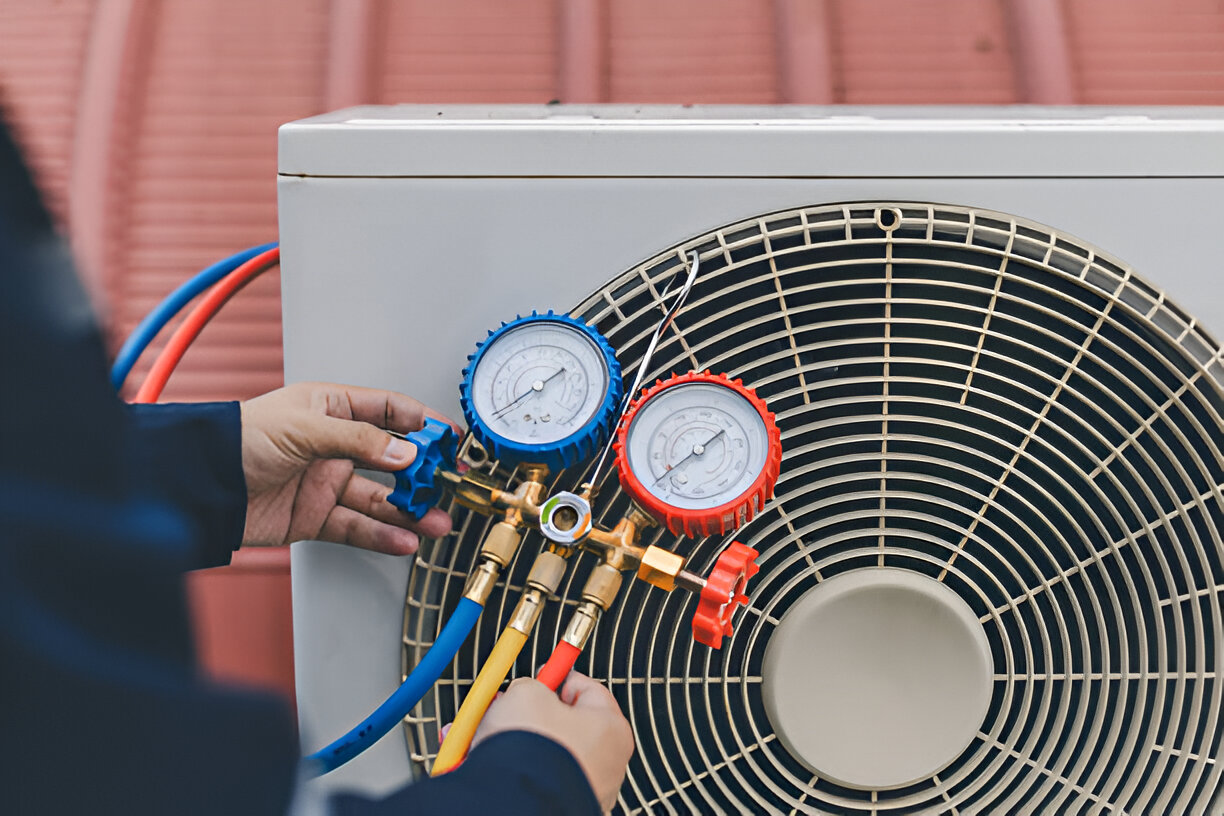
Why proper HVAC installation matters in The Woodlands
The Woodlands climate places two primary stresses on HVAC systems: sustained cooling demand and high humidity. An improperly sized or poorly installed system can:
- Short cycle, increasing wear and utility bills.
- Fail to remove sufficient humidity, leaving homes clammy even when cool.
- Produce uneven temperatures across living spaces due to duct or airflow issues.A professional installation that includes a detailed load calculation, correct refrigerant charge, and ductwork evaluation prevents these problems and maximizes equipment lifespan.
Common HVAC installation types and issues in The Woodlands
When planning new HVAC system installation in The Woodlands, TX, homeowners typically choose among central air conditioners, heat pumps, ductless mini-splits, and packaged systems. Common issues seen during installations include:
- Undersized units that cannot meet peak summer loads.
- Oversized units that short cycle and do not dehumidify properly.
- Leaky, undersized, or poorly routed ductwork causing uneven cooling and wasted energy.
- Incorrect refrigerant charge or improper airflow that reduces efficiency.
- Lack of properly sized condensate management, risking water damage in humid conditions.
Initial consultation and load assessment
A thorough installation begins with an on-site consultation and load assessment:
- Home survey: Inspect insulation, windows, orientation, attic conditions, and existing ductwork.
- Manual J load calculation: Determine the precise heating and cooling requirements based on the home’s construction and occupancy patterns.
- Ductwork evaluation: Identify leaks, inadequate sizing, or the need for rework or additional return paths.
- Electrical and space checks: Confirm the availability of proper electrical service and adequate outdoor and indoor unit locations.This data ensures the system is sized and specified for real-world performance in The Woodlands environment.
System selection and sizing
Selecting the right system means matching equipment performance to your load calculation and priorities:
- SEER and HSPF ratings: Higher SEER (seasonal energy efficiency ratio) and HSPF (for heat pumps) yield better cooling efficiency and lower energy costs, especially in long Texas summers.
- Heat pumps vs traditional split systems: Heat pumps are efficient for The Woodlands because winters are mild. They provide both heating and cooling with strong efficiency.
- Variable-speed compressors and fans: These components improve humidity control and comfort by modulating output to match load.
- Zoning and ductless options: Consider zoning dampers or ductless mini-splits for room-by-room control, especially in homes with additions or uneven layouts.Proper sizing based on Manual J and equipment selection based on real needs reduce operating costs and improve comfort.
Professional installation steps
A professional installation follows a consistent, documented process:
- Pre-install preparation: Secure permits if required, protect floors and landscaping, and stage materials.
- Remove old equipment: Safely recover refrigerant and dispose of or recycle old units per regulations.
- Install indoor and outdoor units: Set pads, secure condensers, mount air handlers or indoor units, and run refrigerant lines and electrical connections.
- Ductwork and airflow tuning: Repair or replace ducts, add returns, and balance airflow to meet designed CFM (cubic feet per minute).
- Electrical and safety connections: Install proper breakers, surge protection if needed, and ensure safe combustion venting for gas systems.
- Charging and startup: Evacuate lines, charge refrigerant to manufacturer specs, and start the system for initial operation.
Post-installation testing and commissioning
Commissioning verifies the system performs to design:
- Verify refrigerant charge and superheat/subcooling.
- Measure airflow and static pressure; adjust blower speeds or ductwork as needed.
- Test thermostat calibration and control logic; program multi-stage or zoning controls.
- Check condensate drainage and safety switches to prevent leaks in humid conditions.
- Conduct efficiency and comfort checks, including verifying humidity removal and assessing evenness of temperature across rooms.A completed commissioning report documents performance and any follow-up items.
Warranty details and what to expect
New systems typically include multiple warranty components:
- Manufacturer warranty for parts and compressor, often varying by component and model.
- Labor warranty from the installing contractor for workmanship, commonly covering a specified period after installation.
- Extended warranties or factory-registered warranty enhancements may be available for qualifying models and professional installations.Understand what each warranty covers, any required maintenance to keep warranties valid, and how claims are handled so you have clear expectations after installation.
Energy-efficient options and humidity control
In The Woodlands, choosing energy-efficient features improves comfort and lowers long-term costs:
- High-SEER systems and ENERGY STAR rated equipment reduce energy consumption during long cooling seasons.
- Variable-speed compressors and variable airflow systems offer superior humidity control.
- Smart thermostats and zoning increase comfort while reducing wasted run time.
- Whole-house dehumidifiers or enhanced coil sizing can be added when humidity control is a top concern.
- Duct sealing and insulation upgrades complement equipment efficiency and address thermal losses unique to local homes.
Financing and rebates
Financing and incentive programs can make upgraded, high-efficiency equipment more affordable:
- Manufacturer financing and contractor financing options help spread upfront costs over time.
- Local utility or state rebate programs may offer incentives for qualifying high-efficiency systems or heat pumps.
- Federal tax incentives for certain energy-efficient upgrades may be available for qualifying installations.Discuss available financing terms and potential rebates early in the planning process to factor incentives into equipment selection.
Long-term benefits and maintenance advice
A properly installed system delivers:
- Lower energy bills through better matched capacity and higher efficiency.
- Improved comfort and humidity control tailored to The Woodlands climate.
- Longer equipment life and reduced repair needs when commissioning and ductwork corrections are completed.Maintain performance with seasonal inspections, filter changes, and annual professional tune-ups to preserve efficiency and warranty coverage. Regular attention prevents common issues like coil fouling, refrigerant loss, and airflow restrictions.
Maintenance Plan You Can Rely On
Basic Care
Perfect for newer systems or budget-conscious homeowners wanting essential protection.
$149/year

Annual comprehensive system inspection
Filter replacement (standard filters included)
15% discount on repairs
Priority scheduling within 48 hours
Premium Protection
Ideal for homes with systems 5+ years old or with moderate usage patterns.
$249/year

Bi-annual system inspections (spring & fall)
Filter replacement (premium filters included)
25% discount on all repairs
Priority scheduling within 24 hours
Free diagnostic fees ($89 value)
Elite Coverage
Best for older systems, luxury homes, or properties with critical climate control needs.
$349/year
Quarterly system inspections
All filters and minor parts included
30% discount on major repairs
Same-day emergency service
Extended 2-year warranty on repairs
Annual system efficiency optimization
Basic Care
Perfect for newer systems or budget-conscious homeowners wanting essential protection.
$149/year
Annual comprehensive system inspection
Filter replacement (standard filters included)
15% discount on repairs
Priority scheduling within 48 hours
Premium Protection
Ideal for homes with systems 5+ years old or with moderate usage patterns.
$249/year
Bi-annual system inspections (spring & fall)
Filter replacement (premium filters included)
25% discount on all repairs
Priority scheduling within 24 hours
Free diagnostic fees ($89 value)
Elite Coverage
Best for older systems, luxury homes, or properties with critical climate control needs.
$349/year
Quarterly system inspections
All filters and minor parts included
30% discount on major repairs
Same-day emergency service
Extended 2-year warranty on repairs
Annual system efficiency optimization
Hear What Our Satisfied Clients Have To Say