
HVAC Installation in Willis, TX
HVAC installation in Willis, TX: detailed on-site evaluation, precise load calculations, and professional setup with post-install support. Learn more.
Scroll down to discover more

HVAC Installation in Willis, TX
Upgrading or installing a new HVAC system is one of the most important investments you can make in your Willis, TX home. With hot, humid summers and occasional cold snaps, properly sized and professionally installed heating and cooling equipment from Stat Air Care Air Conditioning & Heating improves comfort, lowers monthly energy bills, and reduces humidity-related problems like mold and musty odors.
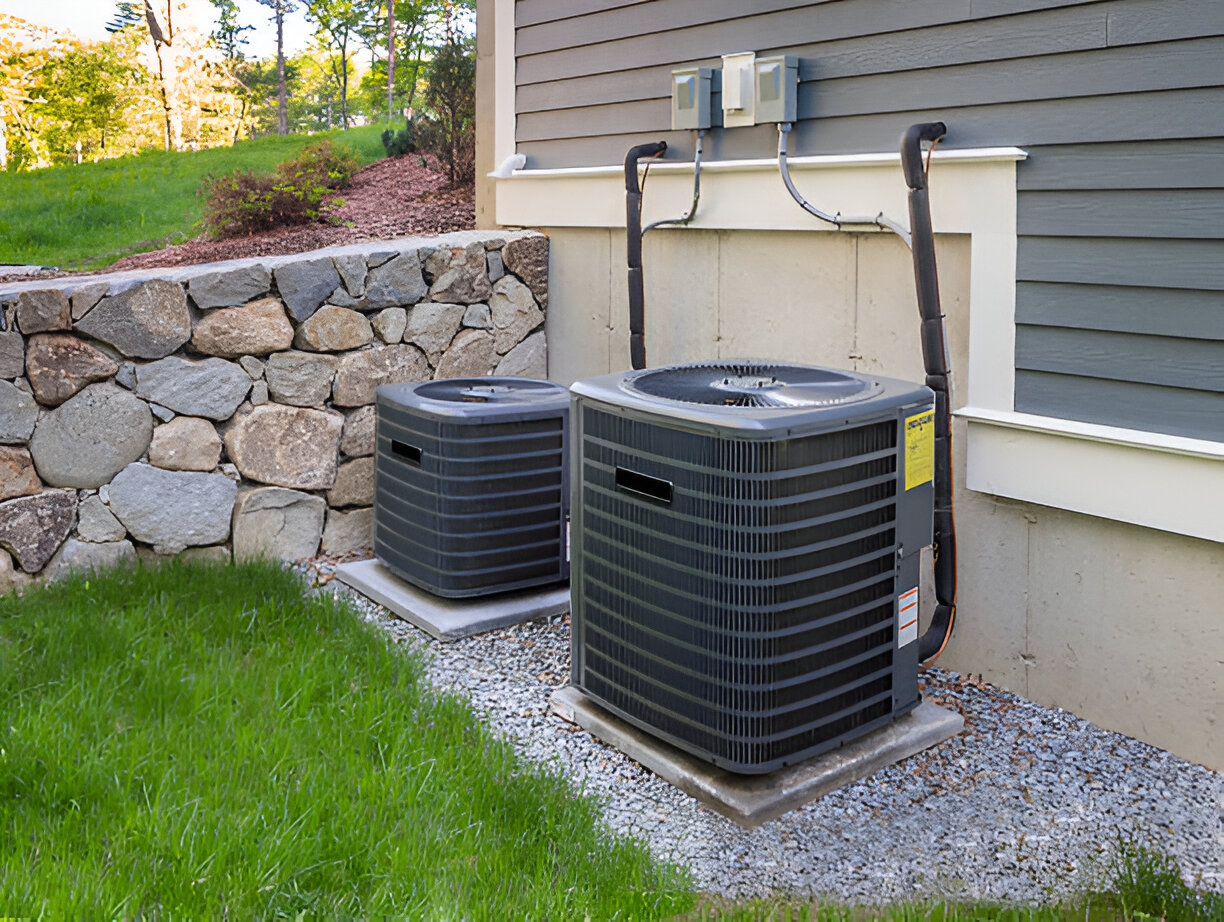
Why a professional new HVAC system installation matters in Willis, TX
Willis and Montgomery County experience long cooling seasons and high humidity. That increases run time for air conditioners and places extra emphasis on:
- Accurate system sizing to avoid short-cycling or poor dehumidification
- Proper refrigerant charge and airflow for peak efficiency
- Duct integrity and insulation to limit energy loss in hot atticsA professional installation tailored to local conditions ensures your system performs reliably and delivers the energy savings and comfort you expect.
Initial consultation and load calculations
A thorough installation begins with a detailed on-site consultation. Key steps include:
- Home walk-through: Inspect orientation, windows, shading, insulation, attic and duct layout, and existing equipment condition.
- Room-by-room heat load calculation (Manual J): This is the industry standard for determining the correct capacity for heating and cooling. It accounts for square footage, ceiling height, window types, occupancy, and local climate factors.
- Duct design and air flow assessment (Manual D and Manual T as needed): Determines whether existing ductwork will supply adequate airflow or needs redesigning.
- Electrical and gas service review: Confirms the home has the correct electrical panel, breaker capacity, and gas line infrastructure for the chosen equipment.
Using load calculations rather than rule-of-thumb sizing prevents common issues such as oversized units that short-cycle or undersized units that never reach set temperatures during peak summer.
Equipment selection — energy-efficient models
In Willis, cooling efficiency is a top priority. Selection considerations include:
- SEER rating for air conditioners and heat pumps: Higher SEER means better cooling efficiency. Look for models that deliver the best balance of upfront cost and long-term savings.
- ENERGY STAR qualified options: These meet third-party efficiency guidelines and often qualify for local rebates.
- Variable-speed or two-stage compressors: Improve comfort, humidity control, and efficiency by modulating output.
- Efficient furnaces (AFUE) if heating is required: Appropriate AFUE rating for the home’s needs.
- Matching indoor and outdoor components: Ensures optimal performance and preserves warranty coverage.
- IAQ options: Consider whole-home dehumidifiers, upgraded filtration, or UV systems for Willis homes prone to humidity and pollen.
Equipment selection will be tailored to your load calculations, budget preferences, and long-term operating costs.
Professional installation steps
A professional installation follows a repeatable process designed to protect your home and system performance:
- Pre-install preparation: Site protection, materials staging, and scheduling permit pickup if required.
- Removal of old equipment: Safe disconnection, proper refrigerant recovery, and hauling away old units per local regulations.
- Ductwork repairs or upgrades: Sealing, insulating, or replacing ducts identified during the consultation to ensure proper airflow.
- Precise equipment placement: Leveling and secure mounting for outdoor units, correct clearances, and vibration isolation.
- Refrigerant line, condensate, and electrical work: Proper brazing, sloping of condensate lines, and appropriately sized wiring and breakers.
- System startup: Controlled charging of refrigerant, motor and compressor checks, and calibration of control systems and thermostats.
- Final documentation: Equipment specs, model and serial numbers, and warranty registrations.
Each step follows manufacturer specifications and local building codes to maximize longevity and performance.
Permit handling and code compliance
Permits and inspections are a necessary part of HVAC installation in Willis, TX. A professional installer will:
- Identify the permits required by the City of Willis and Montgomery County
- Submit plans or permit applications when needed
- Schedule and coordinate inspections with local authorities
- Ensure installation meets electrical, mechanical, and refrigerant handling regulations
Proper permitting protects homeowners by ensuring work meets safety and efficiency standards and helps maintain a valid manufacturer warranty.
Testing, commissioning, and performance verification
After physical installation, thorough testing confirms the system meets design targets:
- Refrigerant charge verification and superheat/subcooling checks
- Airflow measurements and static pressure verification
- Temperature split and system runtime tests
- Thermostat calibration and control sequence testing
- Dehumidification and humidity control assessment during cooling mode
- Electrical safety checks and proper breaker/fuse protection
Commissioning documents should show that the system meets the calculated load requirements and manufacturer performance specifications.
Post-installation support and warranty information
A reliable installation includes clear post-installation support:
- Manufacturer warranties: Typically cover major components (compressor, heat exchanger). Registration may be required to activate extended coverage.
- Labor warranty: Covers workmanship for a defined period; understand what is included and how claims are handled.
- Start-up report and owner orientation: Walk-through of system operation, thermostat use, filter locations, and basic troubleshooting.
- Recommended maintenance schedule: Seasonal tune-ups improve efficiency and extend equipment life. Maintenance plans often include filter reminders, coil cleanings, and performance checks.
Documenting warranties and registering equipment promptly protects your investment and simplifies future service.
Common HVAC installation issues in Willis, TX and how they are avoided
- Oversized equipment: Leads to short cycles and poor humidity control. Avoided by proper Manual J sizing.
- Undersized ductwork or leaks: Reduces airflow and comfort. Solved by duct testing, sealing, and resizing if necessary.
- Incorrect refrigerant charge or airflow: Lowers efficiency and can damage compressors. Prevented by precise charging and airflow balancing.
- Neglecting attic insulation and shading: Increases cooling load. Addressed during the consultation with recommendations for insulation improvements.
- Permit and inspection delays: Can cause project hold-ups. Handled by proactive permit submission and scheduling.
Long-term benefits and maintenance tips for Willis homeowners
A professionally installed, energy-efficient HVAC system delivers:
- Improved indoor comfort and even temperatures throughout the home
- Better humidity control, reducing mold and allergy triggers common in humid climates
- Lower utility bills through higher SEER ratings and proper airflow
- Longer equipment life when paired with regular maintenance
Simple maintenance tips:
- Replace filters regularly according to manufacturer guidance
- Schedule professional tune-ups in spring and fall
- Keep outdoor units clear of debris and vegetation
- Seal attic and ductwork, and add insulation where applicable
- Consider programmable or smart thermostats for zoning and schedule control
A correctly selected and properly installed HVAC system designed for Willis, TX conditions will provide reliable comfort, improved indoor air quality, and predictable operating costs for years to come.
Maintenance Plan You Can Rely On
Basic Care
Perfect for newer systems or budget-conscious homeowners wanting essential protection.
$149/year

Annual comprehensive system inspection
Filter replacement (standard filters included)
15% discount on repairs
Priority scheduling within 48 hours
Premium Protection
Ideal for homes with systems 5+ years old or with moderate usage patterns.
$249/year

Bi-annual system inspections (spring & fall)
Filter replacement (premium filters included)
25% discount on all repairs
Priority scheduling within 24 hours
Free diagnostic fees ($89 value)
Elite Coverage
Best for older systems, luxury homes, or properties with critical climate control needs.
$349/year
Quarterly system inspections
All filters and minor parts included
30% discount on major repairs
Same-day emergency service
Extended 2-year warranty on repairs
Annual system efficiency optimization
Basic Care
Perfect for newer systems or budget-conscious homeowners wanting essential protection.
$149/year
Annual comprehensive system inspection
Filter replacement (standard filters included)
15% discount on repairs
Priority scheduling within 48 hours
Premium Protection
Ideal for homes with systems 5+ years old or with moderate usage patterns.
$249/year
Bi-annual system inspections (spring & fall)
Filter replacement (premium filters included)
25% discount on all repairs
Priority scheduling within 24 hours
Free diagnostic fees ($89 value)
Elite Coverage
Best for older systems, luxury homes, or properties with critical climate control needs.
$349/year
Quarterly system inspections
All filters and minor parts included
30% discount on major repairs
Same-day emergency service
Extended 2-year warranty on repairs
Annual system efficiency optimization
Hear What Our Satisfied Clients Have To Say