
HVAC Repair in Splendora, TX
HVAC Repair in Splendora, TX: Get fast diagnostics, trusted repairs, and clear estimates. Learn more about emergency service options and warranties.
Scroll down to discover more

HVAC Repair in Splendora, TX
Living in Splendora means long, humid summers and occasional severe weather that can put extra strain on heating and cooling systems. When your HVAC stops performing, the right repair response from Stat Air Care Air Conditioning & Heating restores comfort, prevents secondary damage, and protects system life span.
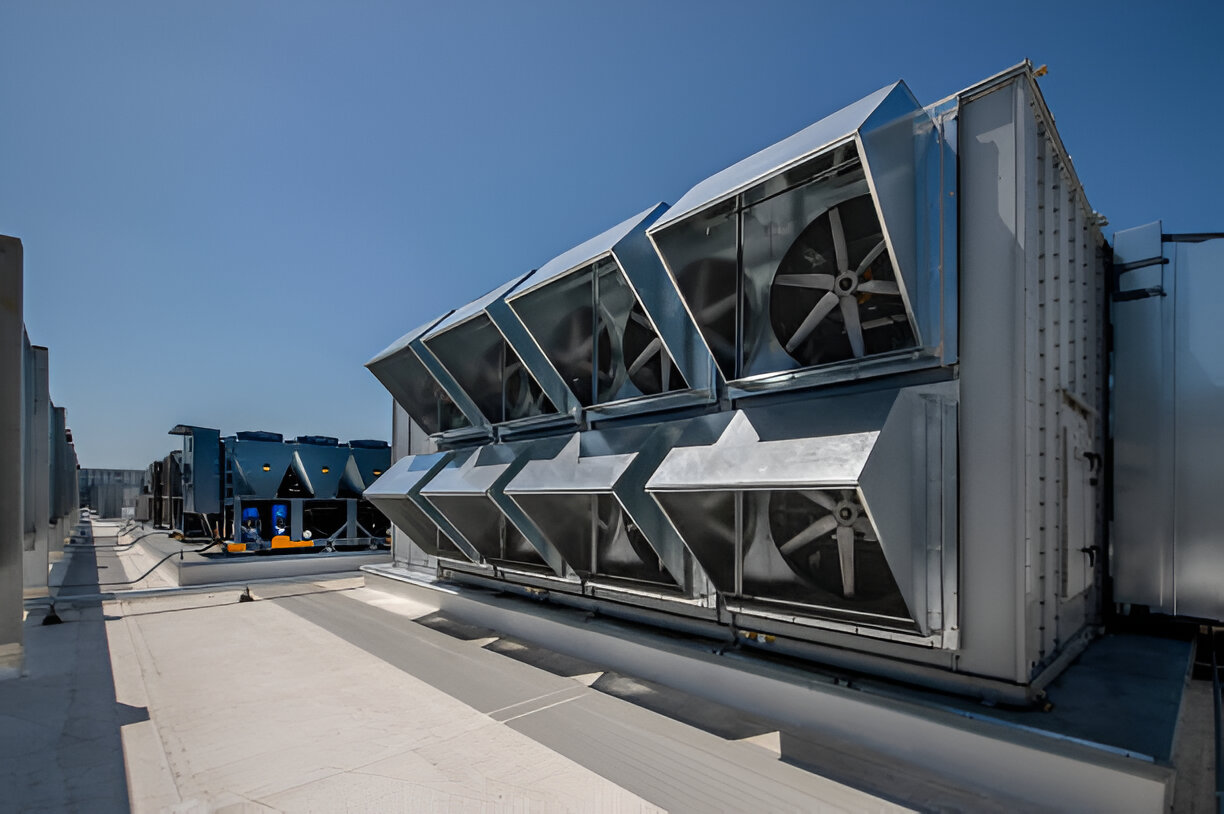
Why timely HVAC repair matters in Splendora, TX
Splendora’s humid subtropical climate increases cooling demand, encourages coil corrosion, and accelerates wear on outdoor equipment. Nearby storms and frequent electrical disturbances can cause surges that damage control boards and motors. Delaying repair can lead to higher energy bills, poor indoor air quality from mold or clogged drains, and more costly failures like compressor replacement. Fast, accurate HVAC repair in Splendora protects your home and minimizes downtime during peak heat.
Common HVAC repair issues in Splendora
Homeowners in Splendora typically call for these problems:
- No cooling or no heating — Often caused by blower motor failure, failed capacitors, thermostat faults, or refrigerant problems.
- Refrigerant leaks — Symptoms include reduced cooling, ice on evaporator coils, and higher run times. Humidity and metal corrosion in coastal-influenced areas can worsen leak risk.
- Electrical faults — Tripped breakers, burned wiring, failing control boards, and capacitor failures are common after storms or power surges.
- Abnormal noises — Grinding, squealing, or banging can indicate worn bearings, loose components, or failing motors.
- Short cycling — A system that turns on and off frequently may have thermostat, refrigerant, or airflow issues.
- Condensate drain clogs and water damage — High humidity and biological growth can block drains, causing overflow and potential indoor water damage.
- Poor airflow — Blocked filters, duct leaks, or failing fans reduce comfort and strain the system.
How we diagnose HVAC problems (what to expect)
A precise diagnosis prevents unnecessary repairs. Typical diagnostic steps include:
- System interview — Document symptoms, when they started, and any recent power events or maintenance history.
- Visual inspection — Examine outdoor unit, indoor coil, filters, wiring, and visible ductwork for obvious issues like debris, corrosion, or leaks.
- Electrical and component testing — Measure voltages, test capacitors, motors, and control boards to pinpoint failures.
- Refrigerant and pressure checks — Evaluate refrigerant levels and pressures to identify leaks or compressor problems; inspect for oil or dye traces.
- Airflow and duct assessment — Measure temperature splits and static pressure to detect airflow restrictions or duct leaks.
- Condensate and drainage inspection — Check and clear drain lines and pans to prevent water damage and microbial growth.
These steps isolate the root cause so repairs fix the problem once and avoid repeat trips.
Common repair solutions and their benefits
Repairs are chosen based on diagnostic findings and system age. Typical solutions:
- Component replacement — Capacitors, contactors, motors, and relays are replaced to restore reliable operation.
- Refrigerant repair and reclamation — Locating and repairing leaks, evacuating, and recharging to proper levels to restore cooling efficiency.
- Electrical repairs — Replacing damaged wiring, breakers, or control boards and adding surge protection where appropriate.
- Coil cleaning and condensate service — Restoring heat transfer and preventing clogs that cause water damage and mold.
- Duct sealing and balance — Improving airflow and comfort while reducing energy waste.
Repairing instead of replacing is often the most cost-effective choice for systems that are well maintained and under about 10–12 years old; older systems with recurring issues may be better candidates for replacement.
Emergency response and availability
HVAC failures during Splendora heat can be urgent. Emergency repair services typically prioritize:
- Systems that create unsafe indoor conditions (no cooling for vulnerable occupants)
- Total system failures during extreme heat or cold
- Leaks causing immediate water damage or electrical hazards
Emergency responders will perform safety triage, temporary fixes when needed, and clearly explain options for a lasting repair. During storm seasons, expect staffing prioritization for urgent calls and clear communication about arrival windows and scope of emergency work.
Parts and labor warranty policies
Reliable repair work should come with clear warranty terms. Typical elements of a strong warranty package include:
- Parts coverage — Manufacturer or aftermarket parts are commonly covered for a defined period (for example, 30 to 365 days depending on part type).
- Labor coverage — Labor warranties cover workmanship for a stated period after repair so issues caused by the service are remedied without additional labor charges.
- OEM parts options — Offering original equipment manufacturer parts helps preserve system longevity and may be required to maintain equipment warranties.
- Warranty conditions — Warranties usually require proof of service, proper installation, and that regular maintenance is performed. Voided conditions commonly include tampering, unauthorized repairs, or using incompatible parts.
Ask for written warranty terms so you know what is covered, the duration, and any maintenance required to keep the warranty valid.
Transparent cost estimates and repair decisions
Transparent estimates help you weigh repair vs replacement. Estimates typically include:
- Diagnostic fee — A one-time assessment charge that is often applied to the repair cost if you proceed.
- Parts costs — Detailed line items for each part needed, with options for OEM or compatible alternatives.
- Labor estimates — Hourly or flat-rate labor pricing and estimated time to complete the repair.
- Tax and disposal fees — Any applicable local taxes or disposal charges for old parts or refrigerant.
- Permits or municipal requirements — When municipal codes or refrigerant handling rules apply.
Good estimates are provided in writing, list clear scopes of work and alternatives (repair now vs deferred, or replacement options), and explain how warranties apply. This clarity reduces surprises and supports confident decisions.
How to prepare when scheduling HVAC repair in Splendora
To make the visit efficient and accurate, have these details ready:
- System age, make, and model (if available)
- A clear description of symptoms and when they began
- Any recent events (storms, power outages, prior service)
- Access instructions for outdoor units and indoor equipment
- Notes about occupants with special needs (infants, elderly, medically sensitive)
During the service visit, expect the technician to explain findings, present repair options with estimate breakdowns, and confirm warranty coverage for parts and labor.
Maintenance to reduce future repairs
Regular maintenance lowers the likelihood of emergency repairs. In Splendora, prioritize:
- Seasonal tune-ups before summer and winter peaks
- Regular filter replacement and coil cleaning to combat humidity effects
- Condensate drain inspection to prevent clogs and water damage
- Surge protection for outdoor units where storms are frequent
Consistent maintenance reduces energy costs, extends equipment life, and preserves warranty coverage.
Putting reliable HVAC repair in Splendora, TX into practice means fast diagnostics, clear written estimates, dependable parts and labor warranties, and repair strategies that address both immediate comfort and long-term system health.
Maintenance Plan You Can Rely On
Basic Care
Perfect for newer systems or budget-conscious homeowners wanting essential protection.
$149/year

Annual comprehensive system inspection
Filter replacement (standard filters included)
15% discount on repairs
Priority scheduling within 48 hours
Premium Protection
Ideal for homes with systems 5+ years old or with moderate usage patterns.
$249/year

Bi-annual system inspections (spring & fall)
Filter replacement (premium filters included)
25% discount on all repairs
Priority scheduling within 24 hours
Free diagnostic fees ($89 value)
Elite Coverage
Best for older systems, luxury homes, or properties with critical climate control needs.
$349/year
Quarterly system inspections
All filters and minor parts included
30% discount on major repairs
Same-day emergency service
Extended 2-year warranty on repairs
Annual system efficiency optimization
Basic Care
Perfect for newer systems or budget-conscious homeowners wanting essential protection.
$149/year
Annual comprehensive system inspection
Filter replacement (standard filters included)
15% discount on repairs
Priority scheduling within 48 hours
Premium Protection
Ideal for homes with systems 5+ years old or with moderate usage patterns.
$249/year
Bi-annual system inspections (spring & fall)
Filter replacement (premium filters included)
25% discount on all repairs
Priority scheduling within 24 hours
Free diagnostic fees ($89 value)
Elite Coverage
Best for older systems, luxury homes, or properties with critical climate control needs.
$349/year
Quarterly system inspections
All filters and minor parts included
30% discount on major repairs
Same-day emergency service
Extended 2-year warranty on repairs
Annual system efficiency optimization
Hear What Our Satisfied Clients Have To Say