
Mini-Split Services in Conroe, TX
Experience precise comfort with Stat Air Care Air Conditioning & Heating’s mini split systems. Ideal for room-specific heating and cooling with quiet operation and energy savings.
Scroll down to discover more

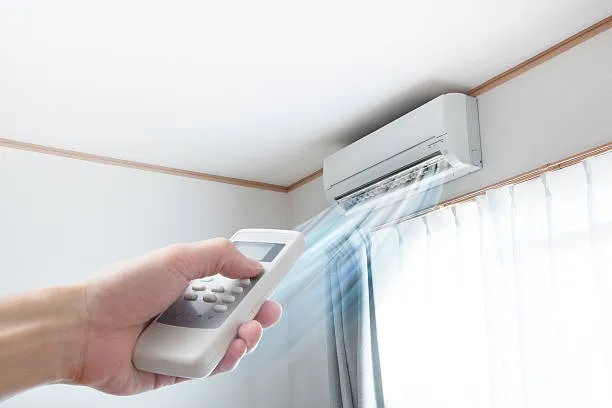
Mini-split systems provide a ductless heating and cooling solution that gives precise comfort control, high efficiency, and flexible installation options for both homes and businesses. If you are evaluating ways to add air conditioning to individual rooms, create true multi-zone comfort, or replace an inefficient space heater or window unit, a mini-split is often the best decision-stage option.
Why choose a mini-split
- Ductless heating and cooling: No ductwork means fewer thermal losses, easier installation, and lower risk of air quality issues tied to dirty ducts.
- Multi-zone control: Run one outdoor condenser with two or more indoor heads to independently control temperatures by room, floor, or office suite.
- Energy efficiency: Inverter-driven compressors and zoned operation reduce energy use compared with many central systems, especially when you only condition occupied areas.
- Quick, low-impact installation: Most installations require only a small hole for a refrigerant and condensate line, minimizing remodeling work.
- Improved comfort and quiet operation: Modern units provide even temperatures and operate quieter than window units or many older systems.
Common mini-split service types
- New system selection and installation for single-zone or multi-zone applications
- Replacement of failing indoor or outdoor components
- Seasonal maintenance and tune-ups
- Refrigerant leak detection and repair
- Electrical diagnostics and circuit upgrades
- Troubleshooting unusual noises, poor airflow, or frost buildup
- Retrofit planning for additions, historic structures, or commercial tenant spaces
Site assessment and proper unit sizing
A professional site assessment is the foundation of a reliable mini-split installation. Proper sizing and placement determine performance, longevity, and efficiency.
Key steps in assessment:
- Evaluate the space served: square footage, ceiling height, number of windows, orientation, insulation levels, and typical occupancy.
- Consider heat gain and heat loss factors: solar exposure, external walls, attic or basement interfaces, and local climate patterns.
- Identify installation constraints: wall construction, available outdoor unit locations, electrical panel capacity, and aesthetic priorities.
- Determine zone strategy: decide how many indoor heads are needed and whether single-zone or multi-zone outdoor units make the most sense for comfort and budget.
- Perform load calculation: qualified technicians use industry-standard methods to recommend capacity so the system will not short-cycle or struggle to maintain setpoints.
A correctly sized system avoids problems such as short cycling, inadequate dehumidification, excessive energy bills, and premature component wear.
Professional installation process
Professional installation ensures reliable operation, safe electrical connections, and compliance with codes and warranties. Typical installation steps include:
- Final layout and mounting locations approved with the owner.
- Install indoor units on walls or ceilings and secure the outdoor condenser on a pad or bracket.
- Route refrigerant line set, condensate drain, and control wiring through a small wall core or conduit.
- Connect refrigerant lines and flare or brazed joints per manufacturer specifications.
- Vacuum and pressure test the refrigerant circuit to remove moisture and check for leaks.
- Charge the system with the correct refrigerant amount when required.
- Wire electrical and control circuits, including any dedicated circuit breakers.
- Test system operation through heating and cooling modes, verify airflow, and thermostat communications.
- Document configuration and provide basic operation orientation to the owner.
Quality installations also include line concealment options, proper condensate routing to avoid interior issues, and placement of the outdoor unit to minimize noise or sightline concerns.
Common maintenance tasks and troubleshooting
Routine maintenance keeps mini-splits efficient and reliable. Many basic tasks can be done by owners, while a professional should handle system checks and refrigerant work.
Owner-level maintenance:
- Check and clean or replace washable filters every 1 to 3 months depending on use and indoor air quality.
- Keep indoor heads and outdoor unit free of dust, debris, and obstructions.
- Ensure condensate drain lines remain clear and that drainage runs away from building walls.
- Confirm remote controls or thermostats are working and batteries are fresh.
Technician-level maintenance:
- Inspect and clean indoor evaporator coils and outdoor condenser fins.
- Verify refrigerant charge and pressure; repair leaks if detected.
- Test electrical connections, contactors, and capacitors.
- Check defrost cycle operation and sensor calibration.
- Perform airflow and temperature split measurements to confirm performance.
Troubleshooting signs that require professional attention:
- Unit blows warm air in cooling mode or cold air in heating mode.
- Reduced airflow from indoor heads despite clean filters.
- Unusual noises from compressor or fan motors.
- Visible ice on indoor evaporator or outdoor unit.
- Frequent short cycling or system error codes.
Retrofit recommendations for homes and businesses
Mini-splits are an excellent retrofit option because they avoid the need for new ductwork and can be scaled to match changed space usage.
Considerations for retrofits:
- Wall thickness and structural access determine indoor head placement options and whether through-wall sleeves are feasible.
- For historic or visually sensitive buildings, plan concealment of line sets and choose indoor head styles that blend with interiors.
- Evaluate electrical panel capacity; some multi-zone installations require dedicated breakers or upgrades.
- Place outdoor units where noise and vibration will not affect neighbors or adjacent offices.
- Pair a retrofit with insulation and window upgrades to reduce required system size and improve efficiency.
Mini-splits can also be used to heat and cool additions, converted attics, basement apartments, and small commercial suites where extending central ducting is impractical.
Long-term value and maintenance rhythm
When correctly selected, installed, and maintained, mini-splits deliver years of efficient service and reliable zoned comfort. Typical expectations:
- Routine filter cleaning monthly to quarterly.
- Professional inspection and tune-up at least once per year, ideally before peak heating or cooling seasons.
- Prompt repair of any refrigerant leaks or electrical faults to preserve compressor life and efficiency.
- Expect long-term energy savings when systems are sized appropriately and used with sensible zoning strategies.
Mini-splits combine flexibility, efficiency, and minimal disruption, making them a compelling decision-stage option for property owners who need targeted comfort solutions. With a proper site assessment, certified installation, and regular maintenance, a ductless system can be a durable, efficient, and comfortable upgrade for both residential and commercial spaces.
Maintenance Plan You Can Rely On
Basic Care
Perfect for newer systems or budget-conscious homeowners wanting essential protection.
$149/year

Annual comprehensive system inspection
Filter replacement (standard filters included)
15% discount on repairs
Priority scheduling within 48 hours
Premium Protection
Ideal for homes with systems 5+ years old or with moderate usage patterns.
$249/year

Bi-annual system inspections (spring & fall)
Filter replacement (premium filters included)
25% discount on all repairs
Priority scheduling within 24 hours
Free diagnostic fees ($89 value)
Elite Coverage
Best for older systems, luxury homes, or properties with critical climate control needs.
$349/year
Quarterly system inspections
All filters and minor parts included
30% discount on major repairs
Same-day emergency service
Extended 2-year warranty on repairs
Annual system efficiency optimization
Basic Care
Perfect for newer systems or budget-conscious homeowners wanting essential protection.
$149/year
Annual comprehensive system inspection
Filter replacement (standard filters included)
15% discount on repairs
Priority scheduling within 48 hours
Premium Protection
Ideal for homes with systems 5+ years old or with moderate usage patterns.
$249/year
Bi-annual system inspections (spring & fall)
Filter replacement (premium filters included)
25% discount on all repairs
Priority scheduling within 24 hours
Free diagnostic fees ($89 value)
Elite Coverage
Best for older systems, luxury homes, or properties with critical climate control needs.
$349/year
Quarterly system inspections
All filters and minor parts included
30% discount on major repairs
Same-day emergency service
Extended 2-year warranty on repairs
Annual system efficiency optimization
Hear What Our Satisfied Clients Have To Say