
Mini Split Repair in The Woodlands, TX
Mini-split repair in The Woodlands, TX – diagnose issues, perform precise replacements, and restore efficiency. Request service or a diagnostic visit today.
Scroll down to discover more

Mini-split systems are a popular choice in The Woodlands, TX because they deliver targeted cooling and improved energy efficiency for homes and small businesses. When a ductless mini-split fails, Stat Air Care Air Conditioning & Heating provides the expert repairs needed to resolve uneven temperatures and discomfort during Houston-area heat and humidity.
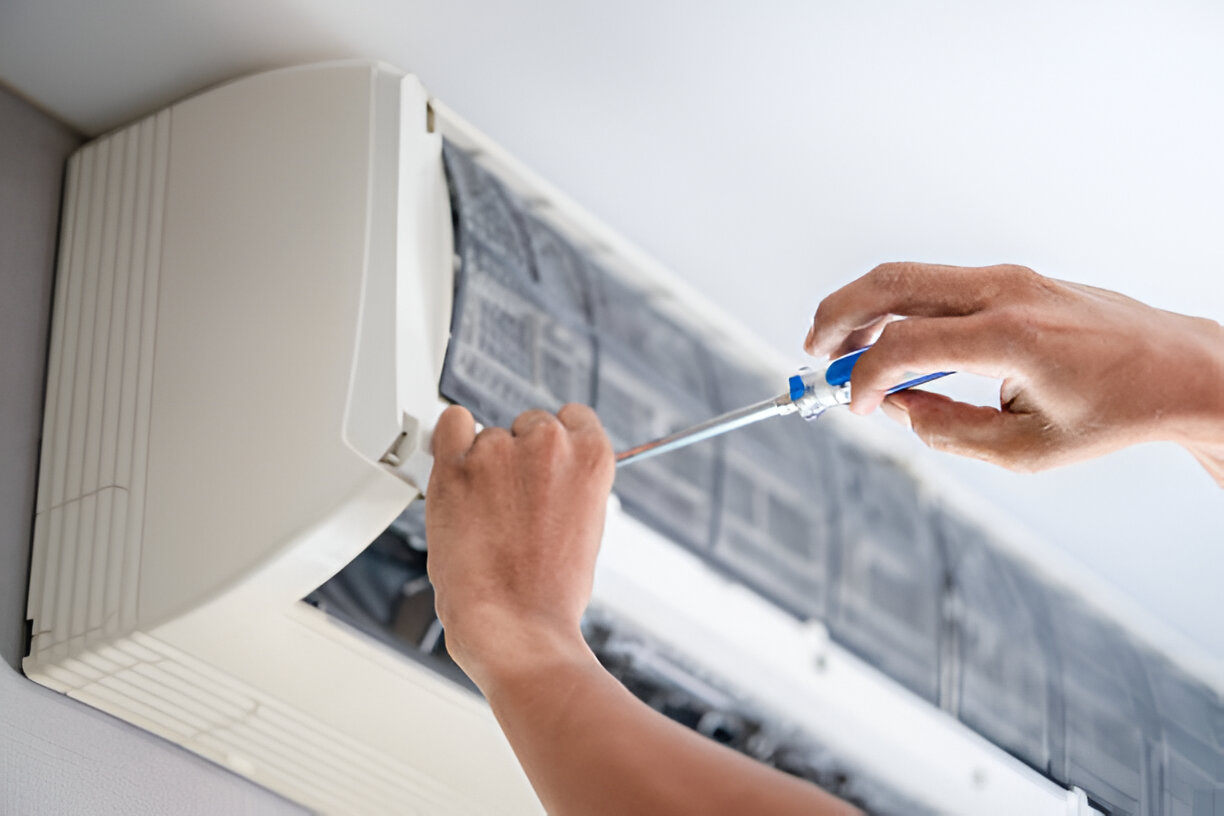
Why timely mini-split repair matters in The Woodlands
The Woodlands experiences hot, humid summers and frequent storm activity that put extra strain on cooling equipment. High seasonal cooling demand speeds wear on compressors and electrical components. Humidity and pollen can clog indoor heads and filters, reducing airflow and promoting coil frost or freeze-thaw cycles. Prompt repair minimizes energy waste, prevents secondary damage (like refrigerant system contamination or burned-out control boards), and restores comfort when you need it most.
Common mini-split problems in The Woodlands homes
- Compressor failure: Reduced cooling, strange noises, or system not starting. High outdoor temperatures and repeated short-cycling increase compressor stress.
- Refrigerant leaks: Loss of cooling capacity and icy indoor coils. Corrosion, vibration, or installation damage can cause leaks.
- Electrical faults: Tripped breakers, burned connectors, or failed circuit boards. Power surges during storms and loose wiring are frequent culprits.
- Indoor head issues: Clogged filters, blocked condensate drains, malfunctioning fan motors, or faulty sensors causing dripping, poor airflow, or odd odors.
- Remote control and communication errors: Faulty thermostats or communication failures between indoor and outdoor units that prevent normal operation.
Diagnostic process: what to expect
Diagnosing a mini-split problem requires a methodical approach to isolate the root cause and avoid unnecessary parts replacement. A typical diagnostic sequence includes:
- Visual inspection of indoor and outdoor units for obvious damage, debris, or moisture.
- Check electrical supply and safety devices, including breakers, fuses, and line-voltage connections.
- Inspect indoor head: filter condition, drain pan, drain line, and blower operation.
- Measure refrigerant pressures and perform a leak test if pressures are abnormal.
- Evaluate compressor and fan motor operation, listening for unusual sounds and checking amp draw.
- Test control boards, sensors, and communication lines.
- Provide a clear diagnosis and prioritized repair recommendations.
Technicians in The Woodlands will factor in recent weather events, evidence of pest or storm damage, and maintenance history during the diagnosis.
Typical repair procedures and parts replacement
- Refrigerant leak repair: Locate leak, repair or replace damaged tubing or fittings, recover and recharge refrigerant, and perform vacuum and pressure tests to ensure system integrity. Replace filter driers if contamination is suspected.
- Compressor repair or replacement: If the compressor is seized, noisy, or failing electrical tests, the usual procedure is to replace the compressor and associated service valves, evacuate the system, and recharge with correct refrigerant type.
- Electrical repairs: Replace damaged capacitors, contactors, relays, or circuit boards. Tighten or replace corroded wiring and connectors. Implement surge protection if storm-related damage is common.
- Indoor head repairs: Clean or replace filters, clear condensate drain lines, replace faulty fans or motors, and repair or replace control sensors. For mold or heavy contamination, coil cleaning or component replacement may be recommended.
- Control and communication fixes: Replace remotes, receiver boards, or communication wiring to restore reliable control.
Parts commonly replaced include compressors, contactors, capacitors, control boards, fan motors, expansion devices, filter driers, and thermostats or remotes.
Expected timelines
- On-site diagnosis: Usually completed within a few hours, depending on system accessibility and complexity.
- Minor repairs: Simple fixes like cleaning filters, replacing capacitors, or clearing drains are often completed the same day.
- Refrigerant repairs and small component replacements: Typically completed within a day, including leak repair, evacuation, and recharge.
- Major repairs like compressor replacement: May take a full day or longer due to recovery of refrigerant, replacement, evacuation, and testing. Lead time for specific parts can extend repair time if parts are not in stock.
- Complex or multi-unit jobs: Multi-zone systems or systems with hard-to-access components may require additional time for safe and complete repairs.
Timelines can be affected by local weather, part availability, and whether additional diagnostic testing is needed.
Pricing expectations and cost factors
Instead of a single price, repair cost depends on several variables:
- Type and severity of the fault (electrical vs refrigerant vs compressor).
- Parts required and whether OEM or aftermarket parts are used.
- Accessibility of the unit and time needed for safe recovery and disposal of refrigerant.
- Age and make of the mini-split, which affects availability and cost of replacement components.
- Any additional services like system flushing, filter drier replacement, or surge protection installation.
In The Woodlands, seasonal demand and storm-related shortages can influence part availability and therefore affect repair scheduling. Ask for a clear written estimate that itemizes labor, parts, and testing steps.
Emergency response and after-hours options
Many service providers offer emergency or after-hours response for critical cooling failures, especially during extreme heat events. Emergency response typically prioritizes safety checks (electrical hazards, refrigerant leaks) and temporary measures to restore operation until a full repair can be completed. During storm season, technicians also address surge damage and outdoor unit impacts.
Warranty coverage and documentation
Warranty coverage varies by service provider and the parts manufacturer. Common elements include:
- Parts warranty: Coverage for replaced components for a specified period.
- Labor warranty: Limited-time warranty on labor performed during the repair.
- Manufacturer warranties: Some components like compressors may carry their own manufacturer warranty that remains in effect if properly registered and maintained.
Keep documentation of the repair, including parts replaced, serial numbers, and any manufacturer paperwork. Warranty claims are easier with a clear service record and proof of timely maintenance.
Preventive tips to avoid future breakdowns in The Woodlands
- Schedule regular maintenance, ideally before peak cooling season, to keep refrigerant levels, electrical connections, and airflow in good condition.
- Replace or clean filters every 1 to 3 months during heavy use and after high-pollen events.
- Keep outdoor units clear of debris, lawn clippings, and plant overgrowth to maintain airflow and prevent corrosion.
- Insulate refrigerant lines and check for vibration or rubbing that can lead to leaks.
- Use a surge protector or whole-home surge mitigation if your area experiences frequent storms.
- Address unusual noises, odors, or performance drops promptly to avoid more extensive damage.
Q: How long will a typical mini-split diagnostic take?
A: A standard on-site diagnostic is generally completed within a few hours, though additional testing or hard-to-access parts can extend the time.
Q: Will a refrigerant leak repair include a system test afterward?
A: Yes. Proper repair includes leak repair, replacement of contaminated components when needed, evacuation, vacuum testing, and recharge to the correct refrigerant level followed by performance testing.
Q: Can electrical faults be a safety hazard?
A: Yes. Loose connections, burned wiring, or shorted components can create fire risk. A qualified technician will isolate electrical faults and make safe repairs.
Q: How can The Woodlands humidity affect my mini-split?
A: High humidity increases run time and stresses components. It also increases the risk of coil icing, condensate overflows, and mold growth in indoor heads if airflow is restricted.
Q: Should I expect different repair times during summer storms?
A: Storms can increase demand for repairs and create part shortages. Emergency assessments are often prioritized, but full repairs may take longer if parts must be ordered.
Maintenance Plan You Can Rely On
Basic Care
Perfect for newer systems or budget-conscious homeowners wanting essential protection.
$149/year

Annual comprehensive system inspection
Filter replacement (standard filters included)
15% discount on repairs
Priority scheduling within 48 hours
Premium Protection
Ideal for homes with systems 5+ years old or with moderate usage patterns.
$249/year

Bi-annual system inspections (spring & fall)
Filter replacement (premium filters included)
25% discount on all repairs
Priority scheduling within 24 hours
Free diagnostic fees ($89 value)
Elite Coverage
Best for older systems, luxury homes, or properties with critical climate control needs.
$349/year
Quarterly system inspections
All filters and minor parts included
30% discount on major repairs
Same-day emergency service
Extended 2-year warranty on repairs
Annual system efficiency optimization
Basic Care
Perfect for newer systems or budget-conscious homeowners wanting essential protection.
$149/year
Annual comprehensive system inspection
Filter replacement (standard filters included)
15% discount on repairs
Priority scheduling within 48 hours
Premium Protection
Ideal for homes with systems 5+ years old or with moderate usage patterns.
$249/year
Bi-annual system inspections (spring & fall)
Filter replacement (premium filters included)
25% discount on all repairs
Priority scheduling within 24 hours
Free diagnostic fees ($89 value)
Elite Coverage
Best for older systems, luxury homes, or properties with critical climate control needs.
$349/year
Quarterly system inspections
All filters and minor parts included
30% discount on major repairs
Same-day emergency service
Extended 2-year warranty on repairs
Annual system efficiency optimization
Hear What Our Satisfied Clients Have To Say