
AC Inspection in Willis, TX
Air Conditioning inspection in Willis, TX helps prevent breakdowns, improves efficiency, and guides safe repairs with a professional assessment. Learn more
Scroll down to discover more

Air Conditioning Inspection in Willis, TX | Stat Air Care Air Conditioning & Heating
An expert air conditioning inspection in Willis, TX by Stat Air Care Air Conditioning & Heating protects your home from unexpected breakdowns, lowers cooling costs, and keeps indoor comfort consistent during the region’s long, humid summers. Whether you need a pre-season tune-up or a detailed pre-purchase evaluation, a comprehensive AC inspection from Stat Air Care Air Conditioning & Heating identifies hidden problems—from refrigerant leaks and airflow restrictions to electrical hazards—so you can prioritize repairs or upgrades with confidence.
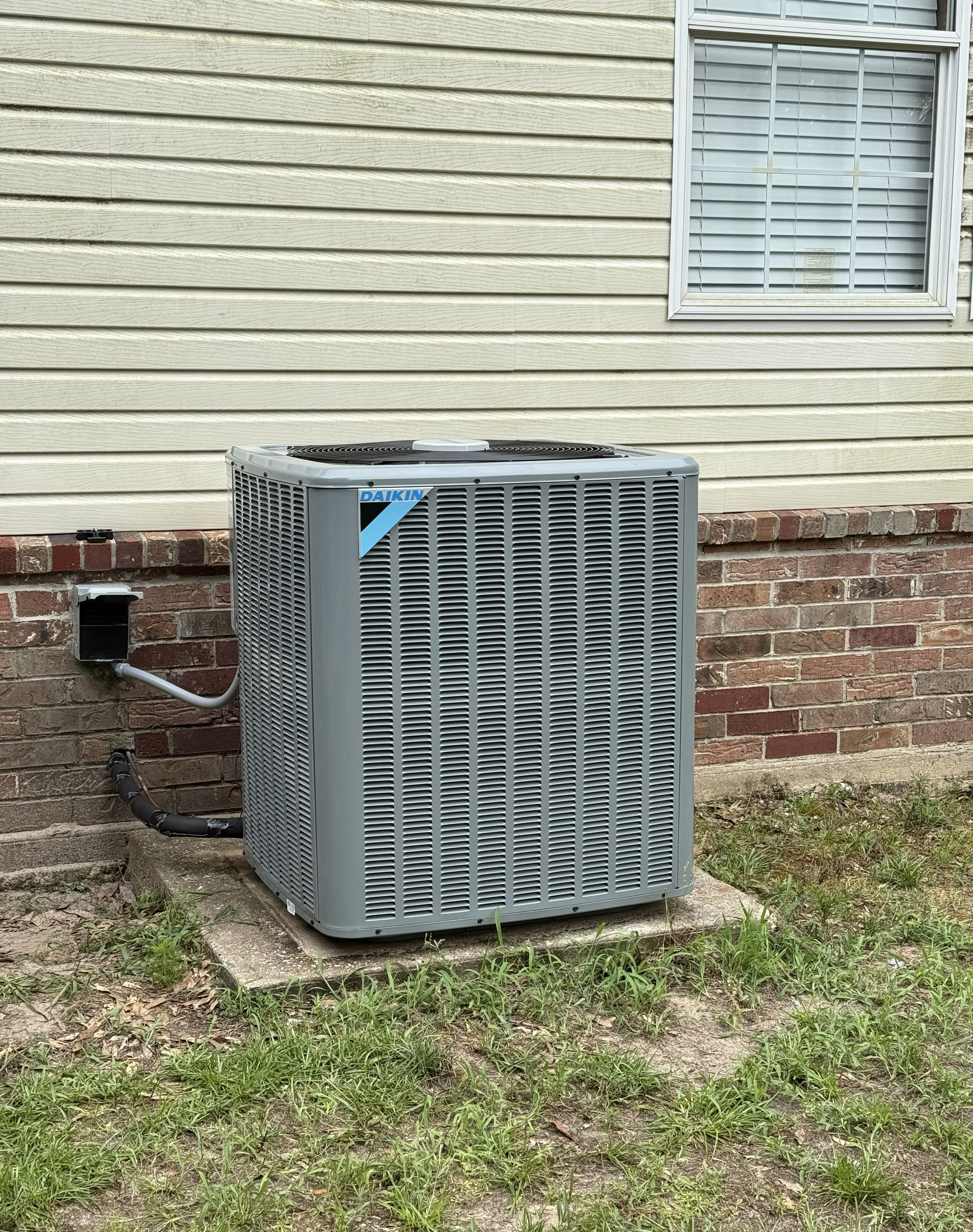
Why an AC inspection matters in Willis, TX
Willis and the surrounding Montgomery County area experience hot, humid summers and frequent storm activity. High humidity puts extra strain on AC systems as they work harder to remove moisture, while seasonal pollen, pine needles, and storm debris commonly clog outdoor units and ducts. Power fluctuations from summer storms also increase the risk of electrical failures. A full AC inspection tailored to Willis homes accounts for these local conditions and focuses on preventing humidity-related issues, condensate problems, and weather-related wear that accelerate system decline.
Common AC issues in Willis homes
- Insufficient cooling or short cycling — often caused by dirty coils, low refrigerant, or failing capacitors.
- High humidity indoors — indicates inadequate dehumidification from low airflow, oversized/undersized systems, or refrigerant issues.
- Clogged condensate lines and drain pans — typical in humid climates and a frequent cause of water damage.
- Duct leakage and poor airflow — reduces efficiency and increases energy bills; common when ducts run through unconditioned attic spaces.
- Electrical failures and compressor stress — power surges from storms and aging components lead to contactor, capacitor, or compressor problems.
- Older refrigerant types — systems using R-22 are increasingly expensive to service due to phased-out refrigerants.
What a comprehensive AC inspection includes
A professional AC inspection is both visual and diagnostic. Key elements of a full inspection include:
- Visual system assessment
- Inspect outdoor unit, indoor coil, cabinet condition, insulation, and visible ductwork.
- Check for corrosion, rodent damage, or debris around the condenser.
- Performance testing
- Measure supply and return temperatures and overall delta T (temperature split).
- Verify operating pressures and superheat/subcooling to confirm correct refrigerant charge.
- Electrical and safety inspection
- Test capacitors, contactors, breakers, and wiring for wear, loose connections, or overheating.
- Inspect safety controls, condensate overflow switches, and, if present, combustion components and venting for CO risk.
- Airflow and duct evaluation
- Measure static pressure and airflow (CFM) to detect blockages or undersized ducts.
- Evaluate duct insulation, sealing, and register balance; note visible mold or contamination.
- Coil and filter inspection
- Inspect evaporator and condenser coils for dirt, corrosion, or physical damage.
- Review filter type and condition; recommend MERV ratings appropriate for the home’s needs.
- Drainage and humidity check
- Clear and test condensate lines, inspect drain pans for rust, and assess the system’s ability to manage humidity.
- System health report
- Document component condition, efficiency indicators, remaining useful life estimate, and prioritized recommendations (safety, performance, efficiency).
Tools typically used during the inspection include refrigerant gauges, digital thermometers, clamp meters, static pressure probes, infrared imaging, and refrigerant leak detectors.
Pre-season and pre-purchase inspection options
- Pre-season inspection (spring) — ensures your system is ready for the high-demand summer months. Focus is on cleaning coils, checking refrigerant levels, calibrating thermostats, testing under load, and preventing summer breakdowns.
- Pre-purchase inspection — provides objective information for homebuyers and sellers. Includes age verification, evaluation of major components (compressor, coils, ductwork), refrigerant type (R22 vs modern refrigerants), expected remaining life, and an estimate of repair or replacement needs you can use in negotiations.
Clear recommendations for repairs and upgrades
After diagnosing issues, inspections should deliver clear, prioritized options:
- Immediate safety repairs — loose wiring, failing capacitors, or refrigerant leaks that pose safety or legal concerns.
- Performance fixes — coil cleaning, condensate line clearing, filter upgrades, and refrigerant charge correction to restore cooling capacity and humidity control.
- Efficiency improvements — sealing and insulating ducts, installing a programmable or smart thermostat, upgrading to a variable-speed blower or higher-SEER outdoor unit.
- Replacement guidance — when major components are at or near end-of-life, the report will recommend replacement options with expected efficiency gains and life expectancy. Homes with undersized or oversized systems will receive options for properly sized replacements and duct balancing.
Benefits of timely inspections in Willis homes
- Lower energy bills — tuned, leak-free systems use less electricity during long cooling seasons.
- Fewer emergency repairs — catch worn components before they fail during peak heat.
- Better indoor comfort and humidity control — improved airflow and correct refrigerant charge reduce hot spots and stuffiness.
- Extended equipment life — routine inspections and corrective maintenance slow wear on expensive components like compressors and motors.
- Warranty and resale protection — documented inspections help satisfy warranty requirements and provide buyers a clear view of system condition during real estate transactions.
Recommended inspection frequency and follow-up
- Schedule a full AC inspection annually, ideally in spring before peak cooling demand. Homes with older equipment (10+ years), frequent humidity problems, or ductwork in unconditioned spaces may benefit from biannual inspections.
- After an inspection, prioritize immediate safety items first, then performance repairs, and plan efficiency upgrades based on budget and expected ROI.
A thorough air conditioning inspection in Willis, TX gives homeowners the clarity to act: protect comfort through the hot season, manage energy costs, and make cost-effective choices about repairs or replacement based on real diagnostic data and local climate considerations.
Maintenance Plan You Can Rely On
Basic Care
Perfect for newer systems or budget-conscious homeowners wanting essential protection.
$149/year

Annual comprehensive system inspection
Filter replacement (standard filters included)
15% discount on repairs
Priority scheduling within 48 hours
Premium Protection
Ideal for homes with systems 5+ years old or with moderate usage patterns.
$249/year

Bi-annual system inspections (spring & fall)
Filter replacement (premium filters included)
25% discount on all repairs
Priority scheduling within 24 hours
Free diagnostic fees ($89 value)
Elite Coverage
Best for older systems, luxury homes, or properties with critical climate control needs.
$349/year
Quarterly system inspections
All filters and minor parts included
30% discount on major repairs
Same-day emergency service
Extended 2-year warranty on repairs
Annual system efficiency optimization
Basic Care
Perfect for newer systems or budget-conscious homeowners wanting essential protection.
$149/year
Annual comprehensive system inspection
Filter replacement (standard filters included)
15% discount on repairs
Priority scheduling within 48 hours
Premium Protection
Ideal for homes with systems 5+ years old or with moderate usage patterns.
$249/year
Bi-annual system inspections (spring & fall)
Filter replacement (premium filters included)
25% discount on all repairs
Priority scheduling within 24 hours
Free diagnostic fees ($89 value)
Elite Coverage
Best for older systems, luxury homes, or properties with critical climate control needs.
$349/year
Quarterly system inspections
All filters and minor parts included
30% discount on major repairs
Same-day emergency service
Extended 2-year warranty on repairs
Annual system efficiency optimization
Hear What Our Satisfied Clients Have To Say