AC Repair in Willis, TX
Air conditioning repair in Willis, TX with expert diagnosis, fast repairs, and clear upfront pricing. Learn more or schedule service today.
Scroll down to discover more

Stat Air Care Air Conditioning & Heating: Air Conditioning Repair in Willis, TX
When the Texas heat moves in, a functioning air conditioner is essential for comfort and safety. This page explains professional air conditioning repair in Willis, TX by Stat Air Care Air Conditioning & Heating, focused on diagnosing common faults, typical repairs (compressor, condenser, refrigerant leaks, electrical systems), realistic repair timelines, emergency response, technician qualifications, and what to expect from warranties and follow up. The goal is to help you make an informed decision about repairs and understand why timely action matters in East Texas homes.
Why timely AC repair matters in Willis, TX
Willis experiences long, hot, humid summers and frequent storm activity. High operating hours, humidity-driven condensation, and occasional power surges increase wear on HVAC systems. Delaying repair can lead to:
- More extensive component damage, such as a failing compressor causing system-wide failure.
- Higher energy bills from inefficient operation.
- Reduced indoor comfort and potential humidity-related problems like mold on coils and ductwork.Repairing problems early often preserves the life of the system and reduces the risk of emergency failures during heatwaves.
Common air conditioning issues in Willis, TX
Below are the most frequent problems technicians encounter in this region, and why they occur here:
- Compressor failure: Overwork from prolonged high temperatures and low refrigerant levels can cause compressor overheating or mechanical failure.
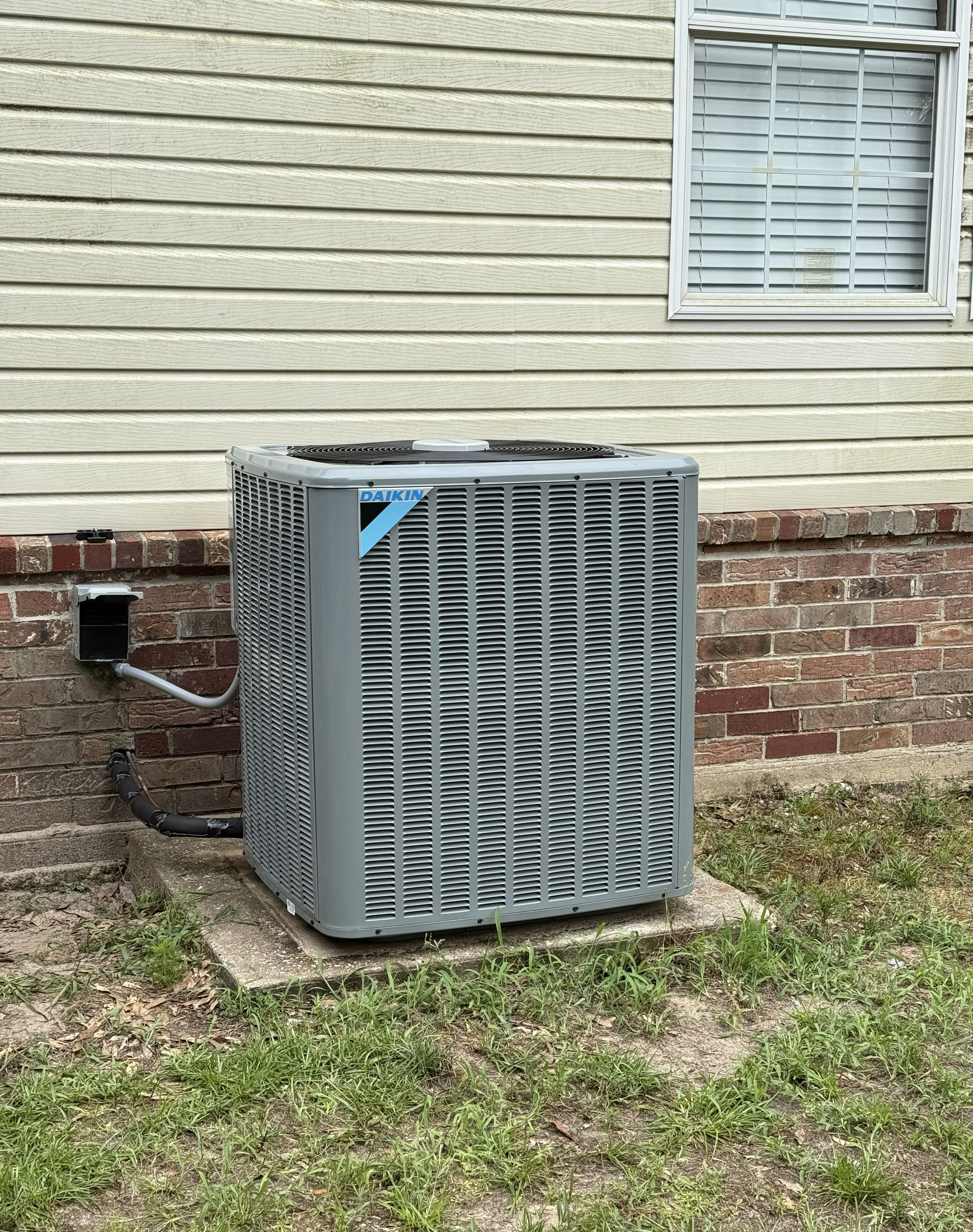
- Condenser damage: Outdoor units suffer from debris, vegetation, pollen, and storm damage. Blocked fins and bent coils reduce heat exchange.
- Refrigerant leaks: Thermal cycling in humid climates stresses piping and fittings. Low refrigerant leads to poor cooling and can damage the compressor.
- Electrical issues: Corroded connections, failed capacitors, and blown contactors are common after storms or power fluctuations.
- Evaporator coil freeze or clogging: Dirty filters and restricted airflow can cause coils to freeze, especially when combined with the high humidity typical of Willis.
- Blower motor and duct problems: Worn motors, dirty blower wheels, or leaky ducts reduce airflow and system efficiency.
- Thermostat and control failures: Faulty sensors or control boards result in irregular cycling, short-cycling, or complete system shutdown.
How professional diagnosis works
A reliable diagnostic process isolates the root cause quickly and avoids unnecessary repairs:
- Initial inspection: Visual check of outdoor and indoor units, filter condition, and thermostat settings.
- Airflow measurement: Assessing supply and return airflow to detect blockages or blower issues.
- Electrical testing: Using multimeters to test capacitors, contactors, fuses, and control voltages for safe operation.
- Refrigerant pressure checks: Measuring system pressures to detect leaks or undercharge conditions.
- Leak detection: Electronic detectors, UV dye, or soap testing to pinpoint refrigerant leaks in coils or lines.
- Performance evaluation: Recording temperature split, run times, and compressor behavior to confirm repair needs.
Technicians will explain findings in plain language, outline repair options, and identify any safety concerns before starting work.
Typical repairs and what they involve
Common repair services performed on air conditioning systems in Willis include:
- Compressor repair or replacement: Complex and typically more time-intensive; may require system evacuation and refrigerant recovery.
- Condenser coil cleaning and fin straightening: Restores heat transfer and improves efficiency.
- Refrigerant leak repair and recharge: Locating and repairing leak points, pressure testing, and recharging to manufacturer specifications.
- Capacitor and contactor replacement: Quick fixes that often restore reliable starting and operation.
- Blower motor and fan replacement: Improves airflow and comfort when motors are failing or noisy.
- Control board and thermostat repairs: Replacing faulty controls or recalibrating thermostats for accurate cycling.
- Duct sealing and repairs: Addressing leaks that cause pressure loss and uneven cooling.
Each repair is performed to code and with industry-standard practices for refrigerant handling and electrical safety.
Expected repair timelines and cost factors
Repair timelines depend on the scope of work and parts availability:
- Minor electrical repairs, capacitor or contactor replacements, and condenser cleanings can often be completed the same day, within a few hours.
- Refrigerant leak location and repair, or compressor replacements, may take a full day or require multiple visits if parts must be ordered.
- Extensive system replacements or major component installation typically require scheduling and a longer turnaround.
Rather than fixed prices, expect repair cost to be influenced by:
- The specific failed component and whether it is under warranty.
- Brand and model of the equipment and availability of parts.
- Complexity of refrigerant recovery and evacuation requirements.
- Accessibility of equipment and any required additional materials like line sets or controls.Technicians should provide a clear estimate of time and cost factors before starting any work.
Emergency repair availability and response
In Willis, extreme heat or storm-related failures create urgent needs. Emergency AC repair services prioritize safety issues and loss of cooling during heat events. On emergency calls, technicians will:
- Triage safety hazards such as burned wiring or refrigerant leaks.
- Provide temporary fixes to restore cooling when possible.
- Schedule follow-up repairs or part replacements when full restoration cannot be completed immediately.
Expect transparency about arrival windows, on-site findings, and the sequence of repairs needed to restore reliable operation.
Technician qualifications and safety standards
Quality repairs require trained technicians who follow regulatory and industry standards:
- EPA Section 608 certification for safe refrigerant handling.
- Industry training such as NATE or manufacturer-specific certifications.
- Routine continuing education on new refrigerants, controls, and diagnostics.
- Use of calibrated diagnostic tools, proper PPE, and adherence to electrical and building codes.Technicians should be able to explain the diagnosis, the repair process, and safety precautions in plain language.
Warranties and after-repair support
Repairs typically include warranties on parts and workmanship. Warranties commonly cover:
- Replacement parts for a defined period, subject to manufacturer coverage for OEM components.
- Labor warranties that protect against defects in the performed repair.Warranty eligibility depends on proper maintenance, correct installation, and not altering the system after repair. Keep service records and any provided warranty documentation for future reference.
Preventive tips to reduce future repairs in Willis, TX
Simple maintenance extends system life and reliability in East Texas conditions:
- Replace filters regularly during high-use months to prevent coil and blower strain.
- Keep the outdoor unit clear of vegetation, pollen buildup, and debris.
- Schedule annual tune ups before peak cooling season to catch issues early.
- Monitor thermostat behavior and unusual noises to address problems before they escalate.
- Ensure proper attic insulation and duct sealing to reduce system runtime.
Maintenance Plan You Can Rely On
Basic Care
Perfect for newer systems or budget-conscious homeowners wanting essential protection.
$149/year

Annual comprehensive system inspection
Filter replacement (standard filters included)
15% discount on repairs
Priority scheduling within 48 hours
Premium Protection
Ideal for homes with systems 5+ years old or with moderate usage patterns.
$249/year

Bi-annual system inspections (spring & fall)
Filter replacement (premium filters included)
25% discount on all repairs
Priority scheduling within 24 hours
Free diagnostic fees ($89 value)
Elite Coverage
Best for older systems, luxury homes, or properties with critical climate control needs.
$349/year
Quarterly system inspections
All filters and minor parts included
30% discount on major repairs
Same-day emergency service
Extended 2-year warranty on repairs
Annual system efficiency optimization
Basic Care
Perfect for newer systems or budget-conscious homeowners wanting essential protection.
$149/year
Annual comprehensive system inspection
Filter replacement (standard filters included)
15% discount on repairs
Priority scheduling within 48 hours
Premium Protection
Ideal for homes with systems 5+ years old or with moderate usage patterns.
$249/year
Bi-annual system inspections (spring & fall)
Filter replacement (premium filters included)
25% discount on all repairs
Priority scheduling within 24 hours
Free diagnostic fees ($89 value)
Elite Coverage
Best for older systems, luxury homes, or properties with critical climate control needs.
$349/year
Quarterly system inspections
All filters and minor parts included
30% discount on major repairs
Same-day emergency service
Extended 2-year warranty on repairs
Annual system efficiency optimization
Hear What Our Satisfied Clients Have To Say