
AC Repair in Kingwood, TX
Air Conditioning Repair Kingwood, TX delivers fast diagnostics and lasting fixes. Schedule your service today for reliable comfort.
Scroll down to discover more

Stat Air Care Air Conditioning & Heating: Air Conditioning Repair in Kingwood, TX
When your air conditioner fails in Kingwood, TX, the problem is not just discomfort - it can be a health and safety concern during the hot, humid months. Stat Air Care Air Conditioning & Heating focuses on fast, accurate diagnostics and durable fixes for the issues most common in this area. Whether your unit is short-cycling, blowing warm air, making unusual noises, or tripping breakers, understanding the likely causes and what to expect from a repair visit helps you make an informed decision for your home.
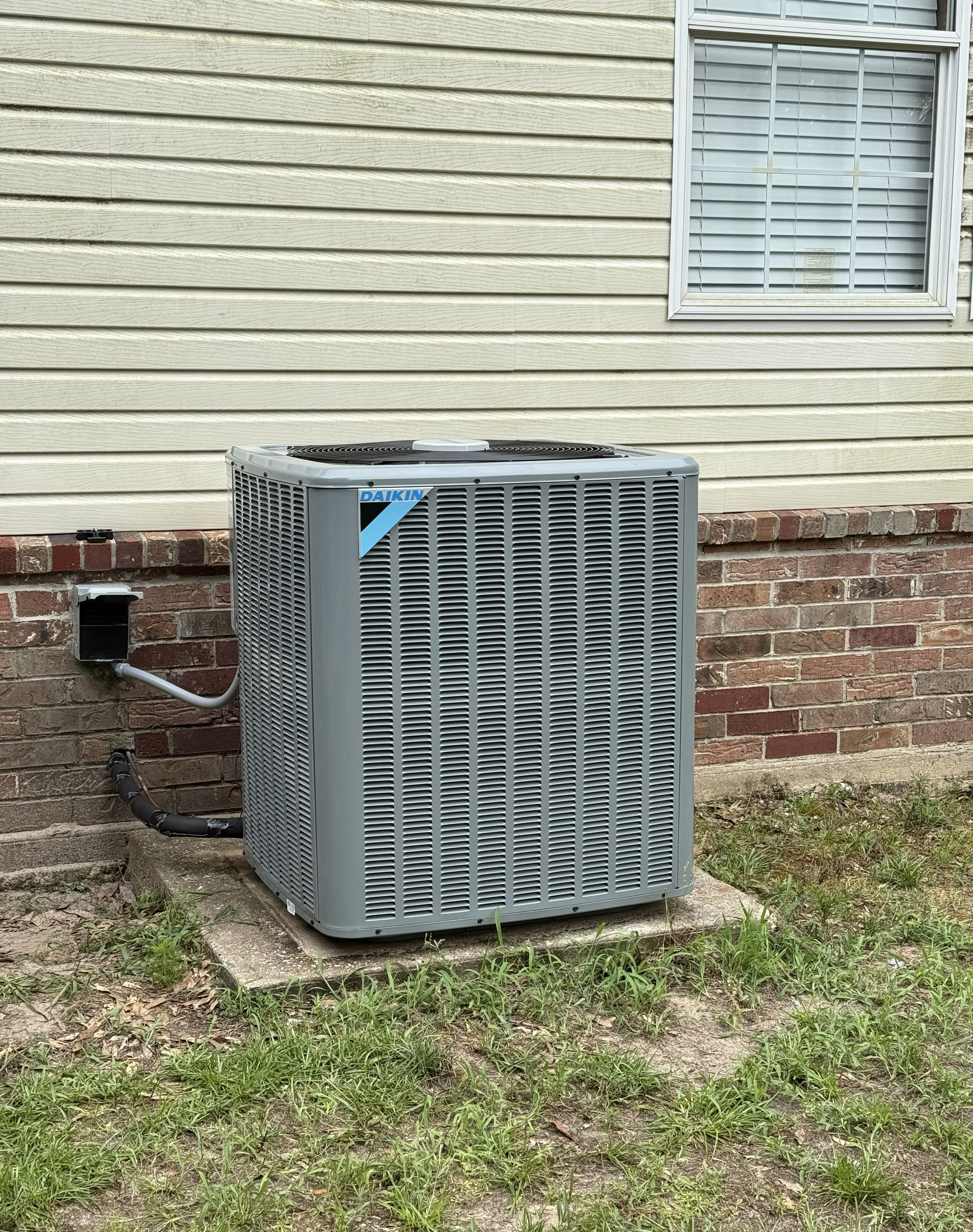
Why timely AC repair matters in Kingwood
Kingwood’s hot, humid summers and frequent stormy weather put extra stress on HVAC systems. High humidity increases runtime and wear on compressors and fans. Heavy rains and occasional power surges can create electrical problems. Delaying repairs risks higher energy bills, reduced indoor air quality, and more costly failures like compressor burnout or refrigerant-related damage. Prompt, professional repair restores comfort, prevents property damage, and extends equipment life.
Common AC problems in Kingwood homes
Most service calls in Kingwood involve a handful of recurring failure modes. Knowing these helps you spot issues early.
- Compressor failure or short cycling
- Symptoms: Unit runs briefly then shuts off, weak cooling, or loud humming from the outdoor unit.
- Causes: Motor wear, electrical faults, low refrigerant, or overheating from restricted airflow.
- Refrigerant leaks
- Symptoms: Gradual loss of cooling, ice on evaporator coil, system running longer than usual.
- Causes: Corroded line sets, poor brazing, or vibration damage. Leaks require locating and repairing the leak plus recharge to correct charge.
- Electrical component issues
- Symptoms: Tripped breakers, dead unit, clicking relays, or intermittent operation.
- Causes: Faulty capacitors, contactors, relays, damaged wiring, or thermostat failures—often worsened by storms or surge events.
- Airflow and duct problems
- Symptoms: Weak airflow, uneven room temperatures, high humidity indoors.
- Causes: Clogged filters, blocked vents, failing blower motors, or leaky/insulated ducts.
- Condenser or evaporator coil issues
- Symptoms: Poor heat transfer, longer run times, or frozen evaporator coil.
- Causes: Dirty coils, bent fins, or corrosion from moisture and outdoor debris.
Typical diagnostic process
A thorough, systematic diagnosis avoids unnecessary repairs and identifies the root cause.
- Initial inspection of outdoor and indoor units for visible damage, debris, and condensation or ice.
- Thermostat and control checks to confirm accurate set points and sensor function.
- Electrical testing of capacitors, contactors, fuses, breakers, and wiring for continuity and proper voltage.
- Refrigerant and pressure checks to determine charge level and suspected leaks.
- Airflow measurement including filter condition, blower operation, and duct integrity.
- Operational test to observe startup, run cycles, noises, and temperature differentials.
Diagnoses are communicated as clear, itemized findings so you understand what needs repair and why.
Repair solutions and what to expect
Repair approaches depend on the diagnosis. Common repairs include:
- Capacitor and contactor replacement
- Fast, high-impact fixes for startup and electrical problems.
- Refrigerant leak repair and recharge
- Locate and repair the leak, replace damaged section of line set or fittings, then restore correct refrigerant charge.
- Compressor repair or replacement
- Compressor issues are serious. If the compressor can be serviced, that may restore function; in many cases a replacement is recommended.
- Fan motor or blower motor replacement
- Restores proper airflow and prevents overheating or inefficient operation.
- Coil cleaning or coil replacement
- Cleaning restores efficiency; replacement may be required for severe corrosion.
- Duct sealing and airflow balancing
- Improves comfort and reduces run time.
Repair duration varies by task: simple electrical or component swaps often take a few hours, refrigerant leak repairs or compressor replacements may take a day or more if parts are not on hand. Emergency or safety issues are treated with priority.
Emergency response and scheduling
AC emergencies in Kingwood often occur during heat waves or after storms. Emergency response is available for situations that threaten safety or property, such as complete loss of cooling during extreme heat, refrigerant leaks with health risk, or electrical hazards. For non-emergency issues, schedule repairs before high-demand summer months when parts and technicians become limited.
Parts, labor expectations, and estimates
Expect transparent, itemized estimates that separate parts and labor so you know exactly what you are paying for. Common points to expect:
- Options for OEM-grade or high-quality aftermarket parts when replacements are needed.
- Clear timelines for parts procurement and estimated repair duration.
- Explanation of long-term benefits of replacing major components versus repeated repairs.
- Information on energy efficiency trade-offs and how repairs affect system performance.
Repairs are performed by trained technicians using industry-standard tools and safety practices.
Warranty and quality assurance
Repairs typically include a warranty on parts and labor to protect your investment. Warranty lengths may vary by component type; for example, small components often carry shorter warranties while major parts may have longer coverage. A clear warranty summary should be provided with each repair estimate so you understand coverage and any conditions.
Preventing future breakdowns
Routine maintenance is the most effective way to reduce emergency repairs and prolong equipment life. Practical tips for Kingwood homes:
- Change or clean filters every 1 to 3 months, more often during pollen season.
- Schedule annual or biannual tune-ups—ideally before summer and before winter—to catch wear early.
- Keep the outdoor condenser clear of leaves, grass, and debris from nearby pine trees or landscaping.
- Install surge protection or whole-home surge devices to guard electrical components during storms.
- Ensure adequate shading and airflow around the outdoor unit without blocking ventilation.
- Maintain proper thermostat settings and consider a programmable or smart thermostat to reduce runtime.
- Check condensate drains and pans regularly to prevent clogs that cause overflow and indoor humidity issues.
Maintenance Plan You Can Rely On
Basic Care
Perfect for newer systems or budget-conscious homeowners wanting essential protection.
$149/year

Annual comprehensive system inspection
Filter replacement (standard filters included)
15% discount on repairs
Priority scheduling within 48 hours
Premium Protection
Ideal for homes with systems 5+ years old or with moderate usage patterns.
$249/year

Bi-annual system inspections (spring & fall)
Filter replacement (premium filters included)
25% discount on all repairs
Priority scheduling within 24 hours
Free diagnostic fees ($89 value)
Elite Coverage
Best for older systems, luxury homes, or properties with critical climate control needs.
$349/year
Quarterly system inspections
All filters and minor parts included
30% discount on major repairs
Same-day emergency service
Extended 2-year warranty on repairs
Annual system efficiency optimization
Basic Care
Perfect for newer systems or budget-conscious homeowners wanting essential protection.
$149/year
Annual comprehensive system inspection
Filter replacement (standard filters included)
15% discount on repairs
Priority scheduling within 48 hours
Premium Protection
Ideal for homes with systems 5+ years old or with moderate usage patterns.
$249/year
Bi-annual system inspections (spring & fall)
Filter replacement (premium filters included)
25% discount on all repairs
Priority scheduling within 24 hours
Free diagnostic fees ($89 value)
Elite Coverage
Best for older systems, luxury homes, or properties with critical climate control needs.
$349/year
Quarterly system inspections
All filters and minor parts included
30% discount on major repairs
Same-day emergency service
Extended 2-year warranty on repairs
Annual system efficiency optimization
Hear What Our Satisfied Clients Have To Say