
AC Service in Montgomery, TX
Air Conditioning Service in Montgomery, TX to improve comfort, efficiency, and indoor air quality. Schedule routine maintenance or emergency repairs today.
Scroll down to discover more

Air Conditioning Service in Montgomery, TX
Keeping your home comfortable year-round in Montgomery, TX means depending on a reliable air conditioning system from Stat Air Care Air Conditioning & Heating. With hot, humid summers, frequent pollen, and occasional severe storms that can stress electrical systems, timely air conditioning service in Montgomery, TX by Stat Air Care Air Conditioning & Heating prevents breakdowns, improves efficiency, and protects indoor air quality.
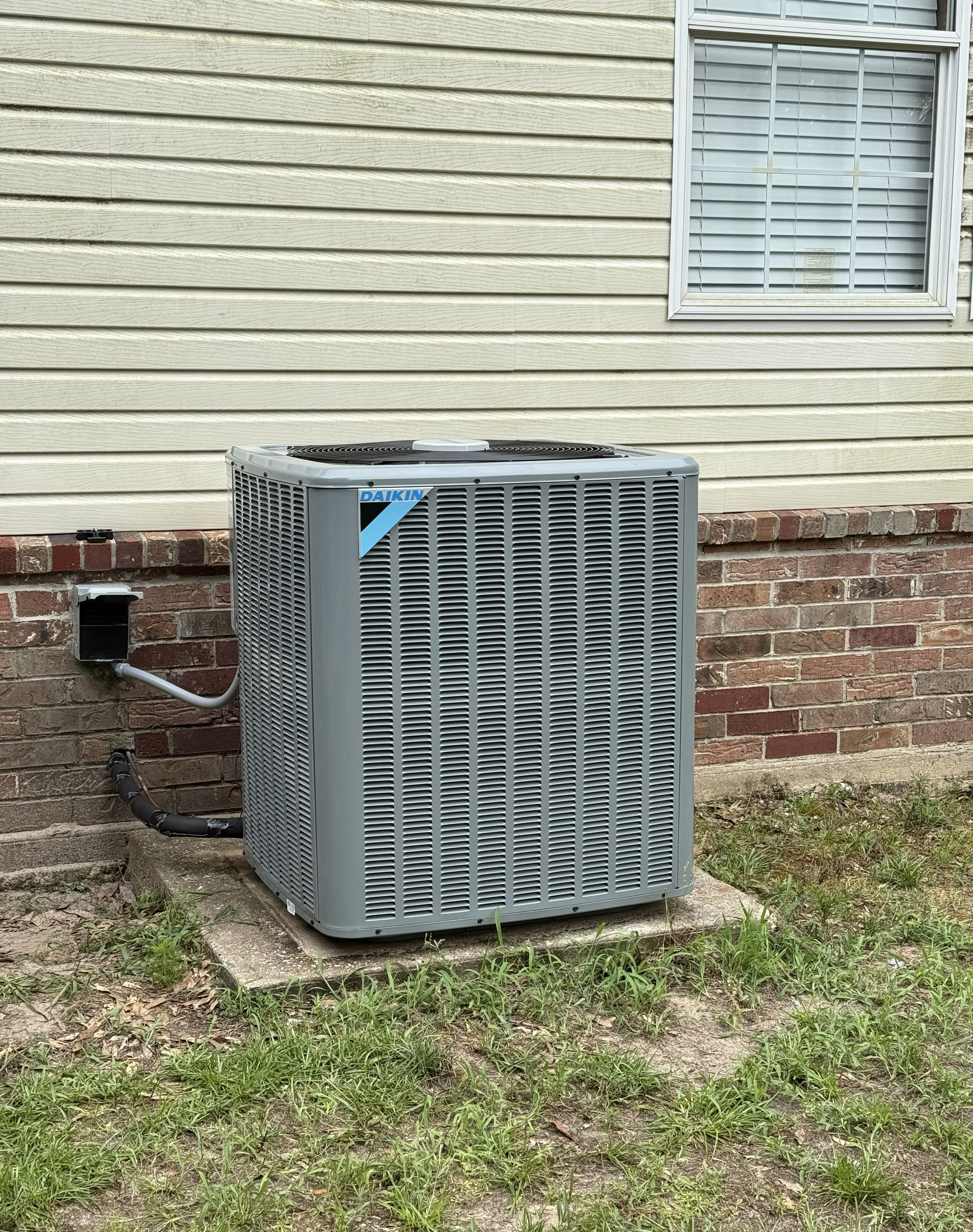
Why timely air conditioning service matters in Montgomery, TX
Montgomery experiences long cooling seasons and high humidity. That increases compressor run-time, accelerates wear, and promotes coil corrosion or mold in ductwork. Regular, professional service:
- Restores cooling performance and consistent indoor temperatures
- Lowers energy bills by keeping systems running efficiently
- Reduces the risk of mid-summer failures during heat waves
- Maintains better indoor air quality by addressing mold, dust, and pollen buildup
Common air conditioning issues in Montgomery, TX
Homeowners in Montgomery frequently encounter these problems:
- Poor cooling or inconsistent room temperatures — often caused by low refrigerant, dirty coils, or airflow restrictions
- Frozen evaporator coils — common when airflow is restricted or refrigerant is low
- Short-cycling or frequent on/off cycles — electrical issues, thermostat malfunction, or oversized equipment
- Strange noises from the compressor or ductwork — loose parts, fan motor wear, or debris
- Water leaks or drainage problems — clogged condensate drain lines or pan corrosion
- Higher-than-normal energy bills — due to inefficient operation, failing components, or aging systems
Comprehensive diagnostics: what to expect
Effective repairs start with a professional diagnostic that identifies root causes rather than just symptoms. During a diagnostic visit, the technician will:
- Inspect electrical connections, breakers, and safety switches for proper function
- Measure airflow and check filters, ductwork, and blower performance
- Test refrigerant pressure and look for leaks
- Evaluate the condenser, compressor, and fan motors for mechanical wear
- Check thermostat calibration and control signals
- Run a full system performance test and record temperature splits to identify inefficiencies
Diagnostics are conducted in plain language: you’ll receive clear explanations of findings, recommended fixes, estimated repair scope, and expected outcomes.
Routine maintenance to prevent breakdowns
Routine maintenance keeps systems reliable in Montgomery’s demanding climate. Typical maintenance services include:
- Thorough system inspection and performance tune-up
- Cleaning condenser and evaporator coils to remove pollen, dust, and debris
- Replacing or cleaning air filters and advising on proper filter type and schedule
- Lubricating moving parts where applicable and tightening electrical connections
- Clearing condensate drains and treating to prevent mold and clogs
- Checking refrigerant levels and correcting leaks if present
- Verifying thermostat programming and zoning controls
Seasonal maintenance (spring before peak cooling and fall before heating) is recommended. Annual or semiannual inspections extend equipment life and preserve manufacturer warranties.
Emergency repairs: fast, practical solutions
Emergencies happen: no cooling during extreme heat, refrigerant leaks, electrical failures, or unusual noises signaling imminent breakdown. Emergency response focuses on safety and rapid restoration:
- Immediate triage to determine if the system should be shut off to prevent further damage
- Temporary measures to restore cooling where possible while parts are sourced
- Priority diagnosis and on-site repairs for critical failures
- Clear guidance on interim homeowner steps (turning off the system, resetting breakers, changing filters) to reduce risk before the technician arrives
Preparing basic information—unit location, symptoms, and model/serial numbers—helps expedite emergency service.
Full system assessments and replacement guidance
When repairs are frequent or a unit is older, a professional system assessment helps decide whether repair or replacement is best. Assessments include:
- Efficiency audit and estimated seasonal energy cost comparisons
- Load calculation to confirm proper system sizing for your home or additions
- Ductwork inspection for leaks, insulation issues, or balance problems
- Indoor air quality evaluation and recommendations for filtration or humidity control
- Life expectancy estimate and recommended next steps: targeted repair, component replacement, or full system upgrade
Assessments provide data-driven recommendations, helping you choose the most cost-effective long-term option.
Service plans designed for Montgomery homes
Service plans provide predictable upkeep and priority attention during peak season. Common plan features:
- Scheduled seasonal tune-ups (spring and fall)
- Priority scheduling during high-demand periods
- Discounts on parts and diagnostic fees
- Regular filter reminders and maintenance tracking
- Documentation required to maintain manufacturer warranty eligibility
Plans are structured to match different needs: basic inspection plans for newer systems, preventive maintenance for older units, and premium plans with priority emergency response.
Warranty coverage and documentation
Understanding warranty coverage helps protect your investment. Typical warranty components:
- Manufacturer parts warranty on compressors, coils, and motors (terms vary by manufacturer)
- Labor warranties for specific repairs or replacements performed by the service provider
- Coverage conditions that often require documented, regular maintenance
When arranging service, have your unit’s model and serial number, purchase date, and any existing warranty paperwork available. Regular maintenance records are often necessary to validate warranty claims, so keep service receipts and inspection logs.
How to prepare and what to expect when scheduling service
Scheduling an appointment should be straightforward and efficient. To make service visits most effective, prepare:
- Location of the outdoor condenser and indoor air handler or furnace
- Unit model and serial numbers (usually on the unit or in owner paperwork)
- A clear description of symptoms, noises, timing, and any recent changes
- Access instructions for locked panels, gated yards, or pets
What to expect during the visit:
- A professional arrival window and identification
- A walk-through of symptoms and an inspection of the system
- A diagnostic summary, recommended repairs, and an explanation of options
- Completion of agreed repairs or a clear plan for next steps if parts are needed
For emergency situations, advise the technician about immediate safety concerns and any power issues. During high-demand months, service plans provide the fastest response.
Seasonal tips and ongoing maintenance advice
Simple actions between professional visits keep systems running smoothly:
- Replace or clean filters every 1 to 3 months during heavy use
- Keep outdoor condenser units free of debris, plants, and obstructions
- Use ceiling fans and programmable thermostats to reduce runtime
- Schedule a pre-summer tune-up to avoid breakdowns during heat waves
- Monitor humidity levels indoors and consider whole-home humidification or dehumidification if needed
Regular attention to these items reduces emergency repairs and helps systems reach or exceed expected service life.
Maintenance Plan You Can Rely On
Basic Care
Perfect for newer systems or budget-conscious homeowners wanting essential protection.
$149/year

Annual comprehensive system inspection
Filter replacement (standard filters included)
15% discount on repairs
Priority scheduling within 48 hours
Premium Protection
Ideal for homes with systems 5+ years old or with moderate usage patterns.
$249/year

Bi-annual system inspections (spring & fall)
Filter replacement (premium filters included)
25% discount on all repairs
Priority scheduling within 24 hours
Free diagnostic fees ($89 value)
Elite Coverage
Best for older systems, luxury homes, or properties with critical climate control needs.
$349/year
Quarterly system inspections
All filters and minor parts included
30% discount on major repairs
Same-day emergency service
Extended 2-year warranty on repairs
Annual system efficiency optimization
Basic Care
Perfect for newer systems or budget-conscious homeowners wanting essential protection.
$149/year
Annual comprehensive system inspection
Filter replacement (standard filters included)
15% discount on repairs
Priority scheduling within 48 hours
Premium Protection
Ideal for homes with systems 5+ years old or with moderate usage patterns.
$249/year
Bi-annual system inspections (spring & fall)
Filter replacement (premium filters included)
25% discount on all repairs
Priority scheduling within 24 hours
Free diagnostic fees ($89 value)
Elite Coverage
Best for older systems, luxury homes, or properties with critical climate control needs.
$349/year
Quarterly system inspections
All filters and minor parts included
30% discount on major repairs
Same-day emergency service
Extended 2-year warranty on repairs
Annual system efficiency optimization
Hear What Our Satisfied Clients Have To Say