
Essential DIY HVAC Maintenance Tasks for Homeowners
HVAC Maintenance TX | DIY Homeowner Tasks
Scroll down to discover more

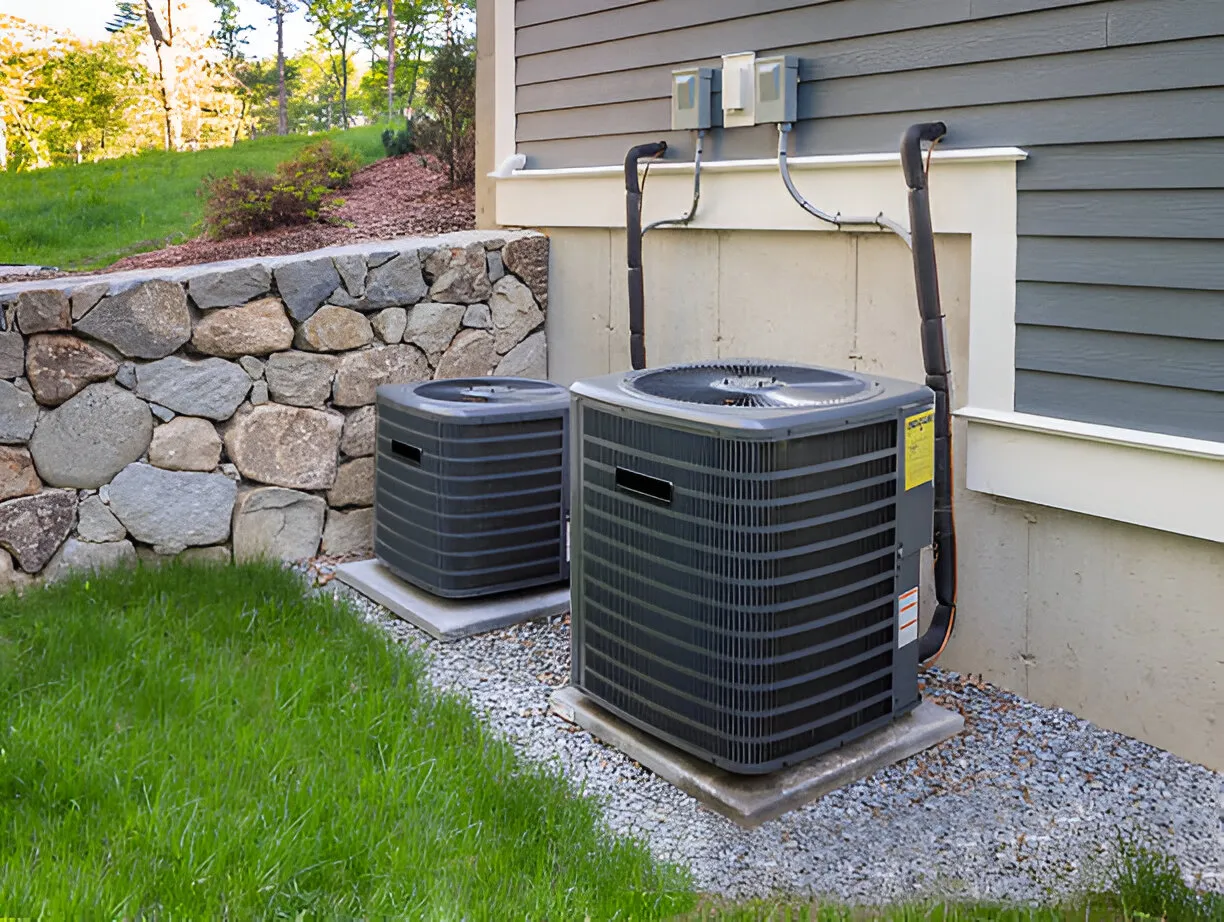
The Homeowner's Guide to DIY HVAC Maintenance: Boost Efficiency and Prevent Breakdowns
You know your HVAC system is one of the most expensive and complex components of your home. You’ve probably wondered if there’s anything you can do yourself to keep it running smoothly, maybe save a little money on energy bills, and avoid that dreaded middle-of-the-summer breakdown. But where do you even start? And more importantly, what’s safe to handle on your own?
Many guides offer a simple list of tasks but leave you searching for separate videos and instructions, creating more confusion than confidence. We're going to change that.
This is your central resource for essential, safe, and effective DIY HVAC maintenance. Think of it as your master checklist. We’ll walk through what to do, why it matters, and provide clear, actionable guidance. Because taking proactive care of your system shouldn’t be a mystery. In fact, the U.S. Department of Energy reports that simple tasks like changing your air filter can save you up to 15% on your energy bills.
Your Essential HVAC Maintenance Schedule
Consistency is key to keeping your system in peak condition. Following a simple schedule for these tasks can make a significant difference. Here’s a breakdown of what to do and when.
Monthly Task: Inspect and Change Your Air Filter
This is the single most important maintenance task you can perform. A clogged filter forces your system to work harder, driving up energy costs, reducing airflow, and potentially leading to serious damage.
- Why it's crucial: A clean filter improves your home's indoor air quality solutions by trapping dust, pollen, and other contaminants. It also allows for optimal airflow, which is essential for both efficiency and comfort.
- How to do it: Locate the filter slot on your indoor air handler unit. It's usually a long, thin door. Slide the old filter out, noting the size printed on its frame and the arrow indicating airflow direction. Slide the new filter in, making sure the arrow points in the same direction—toward the furnace or air handler.
- Pro Tip: If you have pets or live in a dusty area, check the filter every month. Otherwise, a check every 2-3 months is generally sufficient.
Seasonal Tune-Up: Key Tasks for Spring and Fall
As the seasons change, your system’s demands shift from heating to cooling or vice versa. Performing these checks twice a year ensures it’s ready for the months ahead.
1. Clean the Outdoor Condenser Unit
Your outdoor unit (the condenser) works by releasing heat from your home. When it’s covered in dirt, grass clippings, and leaves, it can’t do its job effectively.
- Why it's crucial: A clean condenser coil allows for efficient heat transfer. A dirty one forces your system to run longer and harder to cool your home, wasting energy and causing unnecessary wear on the compressor.
- How to do it:
- Safety First: Turn off all power to the unit at the main electrical panel and the outdoor shutoff box.
- Clear Debris: Remove any leaves, twigs, and other debris from around the unit, ensuring at least two feet of clear space on all sides.
- Gently Clean Fins: Use a garden hose with a gentle spray nozzle to rinse the condenser fins from the inside out. This pushes the debris away from the unit instead of deeper into it. Never use a high-pressure washer, as it can easily damage the delicate fins.
2. Clear the Condensate Drain Line
Your air conditioner removes humidity from the air, which collects as water (condensate) and flows out through a drain line. If this line gets clogged with algae or sludge, it can cause water to back up and lead to significant water damage.
- Why it's crucial: A clear drain line prevents water leaks, mold growth, and potential system shutdowns.
- How to do it: Find the PVC pipe coming from your indoor unit. Many have a T-shaped vent with a cap. Remove the cap and slowly pour a cup of distilled vinegar down the line. The vinegar will help kill any algae or mold buildup. If you suspect a more serious clog, it's time to call a professional.
3. Check and Test Your Thermostat
A faulty thermostat can cause your system to run inefficiently or not at all.
- Why it's crucial: Your thermostat is the brain of your HVAC system. Ensuring it’s working correctly is vital for both comfort and energy efficiency.
- How to do it: If you have a battery-powered thermostat, replace the batteries annually. To test its function, switch the system from cooling to heating (and vice versa) to ensure it responds correctly. Make sure the temperature readings are accurate.
4. Perform a Basic Visual Inspection
Take a few minutes to look and listen. You can often spot small issues before they become major problems.
- Why it's crucial: Catching things like frayed wiring, unusual noises, or rust early can save you from a much larger, more expensive repair down the road.
- How to do it: Walk around both your indoor and outdoor units. Listen for any strange rattling, buzzing, or grinding sounds. Look for signs of rust, oil leakage, or any visible damage to panels and wiring.
The DIY Line: When to Call a Professional
Empowerment is knowing what you can do, but wisdom is knowing what you shouldn't. Certain tasks require specialized tools, training, and certifications to be performed safely and correctly. A lack of routine maintenance is a primary cause of system failure, but a botched DIY repair can be just as damaging.
Always call a licensed technician for:
- Refrigerant Handling: Refrigerant is a regulated chemical that requires certification to handle. A leak or improper charge can severely damage your system.
- Electrical Work: Beyond changing thermostat batteries, any electrical repairs—from replacing capacitors to fixing wiring—should be left to a professional to avoid risk of shock and fire.
- Internal Component Repairs: Anything involving the blower motor, compressor, or other internal mechanical parts requires expert diagnosis and service.
If you notice your system is struggling, making strange noises, or simply not keeping you comfortable, don't hesitate to reach out for help with complex HVAC repair issues. A professional diagnosis is the safest and most effective next step.
Frequently Asked Questions About DIY Maintenance
How much money can I actually save?
Regular DIY maintenance primarily saves you money in two ways: improved energy efficiency and avoided repair costs. By keeping your system clean and running smoothly, you prevent the energy waste that comes from a struggling unit. More importantly, you can catch small issues before they cascade into a catastrophic failure, which can save you thousands. Professional system maintenance complements these efforts, providing a deeper tune-up that maximizes both savings and system lifespan.
What if I'm not very handy? Are these tasks difficult?
Not at all. The tasks outlined here were chosen specifically because they require no special skills or tools. Changing a filter is as easy as opening a door, and cleaning the outdoor unit is similar to watering plants. The goal is to build your confidence through simple, high-impact actions.
Can I make things worse by trying to do this myself?
If you stick to this list and follow the safety precautions—especially turning off the power—the risk is extremely low. The danger comes from attempting tasks outside this scope, like electrical or refrigerant work. When in doubt, always default to safety and call for a professional opinion.
Your Partner in Home Comfort
By taking on these simple maintenance tasks, you're not just being a responsible homeowner—you're making a smart investment in your comfort and your property. You’re extending the life of your HVAC system and ensuring it runs as efficiently as possible.
And for everything else? That’s what we’re here for. Consider Stat Air Care your trusted partner for the jobs that require a professional touch. From annual tune-ups to complex repairs, we're dedicated to providing the reliable, expert service you need to keep your home comfortable all year long.
Ready to take the next step with a professional tune-up? Contact us today to schedule your service.
Hear What Our Satisfied Clients Have To Say

Ready to Transform Your Home?
Get inspired to enhance your living space with practical tips and expert advice. Ready to transform your home into a comfortable, stylish, and efficient haven? Start your journey today.